

 Nana Muazin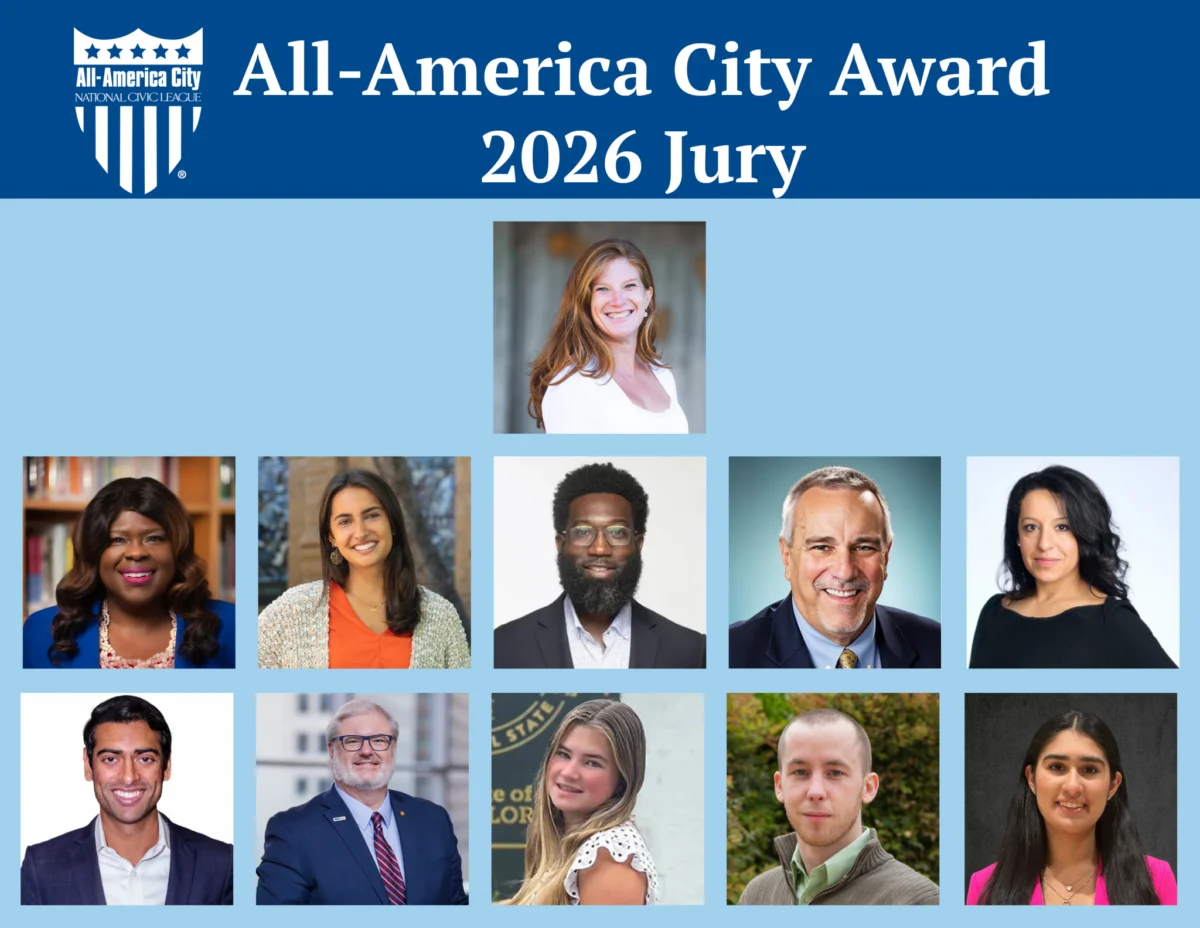
Introduction: The Vanguard of Civic Renewal
As the United States navigates an era of profound social, economic, and technological transformation, the role of local governance and grassroots engagement has never been more critical. The National Civic League has officially unveiled the framework for the 2026 All-America City Award, a prestigious honor that recognizes communities that have successfully leveraged civic engagement to solve pressing local challenges.
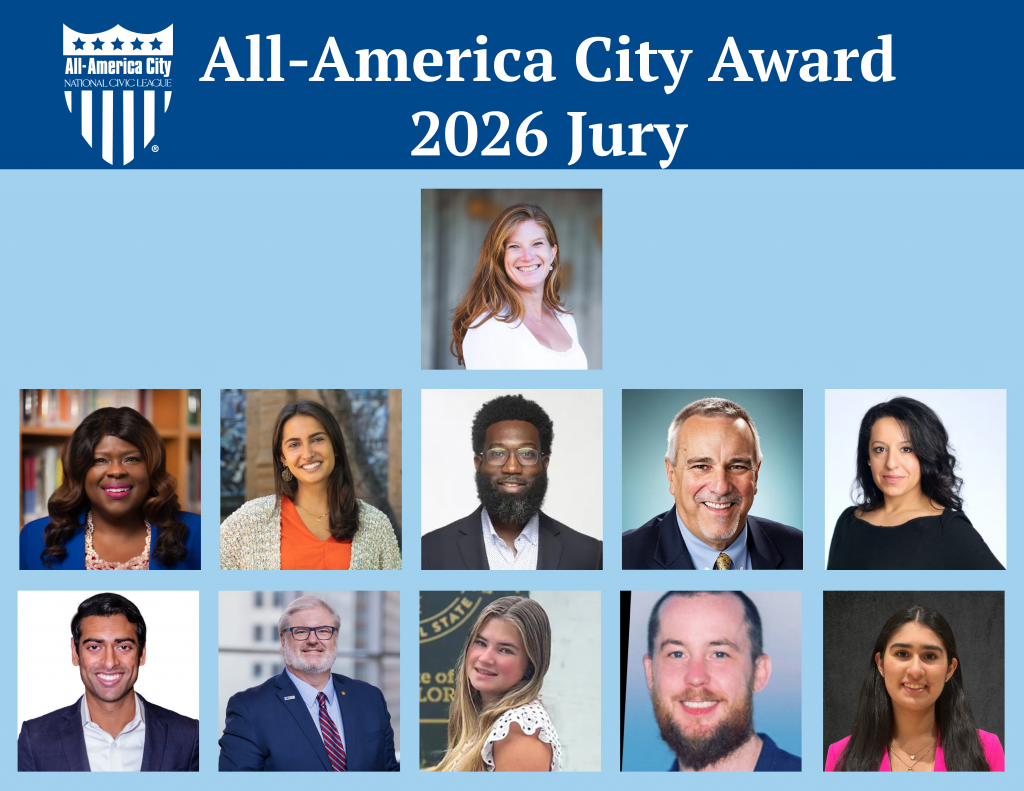
This year’s program is not merely a competition; it is a laboratory for democratic innovation. Finalists from across the nation will converge in Denver, Colorado, from June 26–28, to demonstrate how they have fostered trust, fortified civic health, and implemented sustainable solutions to complex problems. At the heart of this evaluation process is a distinguished panel of jurors—a diverse coalition of experts tasked with identifying the communities that best embody the spirit of collaborative problem-solving.
Main Facts: The Anatomy of the 2026 Competition
The All-America City Award, a legacy program of the National Civic League, serves as a benchmark for local excellence. The 2026 iteration focuses specifically on the intersection of civic health and public trust.
- The Goal: To identify communities that have demonstrated measurable success in inclusive civic engagement and the strengthening of democratic institutions.
- The Venue: Denver, Colorado.
- The Dates: June 26–28, 2026.
- The Jury Composition: A cross-sectoral panel including civic engagement practitioners, luminaries from the philanthropic world, business leaders, nonprofit executives, and—crucially—youth representatives.
- The Evaluation Methodology: Jurors conduct a multi-layered assessment, beginning with an exhaustive review of written applications, followed by in-person presentations where finalists must defend their projects and answer rigorous, spontaneous inquiries from the panel.
Chronology: From Application to Recognition
The path to the All-America City title is a rigorous journey that spans several months, demanding transparency, community mobilization, and strategic planning.
Phase 1: The Call for Applications
The process begins with an open invitation to municipalities and counties across the country to document their recent successes. Applicants must provide evidence of projects that address specific community needs, such as housing equity, climate resilience, or educational access, while demonstrating how these projects were co-created with residents.
Phase 2: The Deliberative Review
Once the written applications are submitted, the jury begins the arduous task of vetting. Each submission is scored not only on outcomes but on the process of engagement. Did the community reach marginalized populations? Was the process transparent? Did it result in long-term institutional changes?
Phase 3: The Denver Convening (June 26–28)
The summit in Denver represents the culmination of the cycle. Finalists present their stories before the jury and their peers. This is a high-stakes environment where community leaders, local government officials, and grassroots organizers share the stage.
Phase 4: The Final Deliberation
Following the presentations, the jury enters a final, closed-door deliberation. This phase is characterized by intense debate, as the jurors weigh the impact of each community’s work against the broader goal of revitalizing national civic health.
Supporting Data: Why Civic Health Matters
The National Civic League’s emphasis on civic health is supported by a growing body of data suggesting that local government is the most influential tier of the American democratic system.
According to recent studies by the National Conference on Citizenship, communities with higher levels of civic engagement—defined by volunteerism, voting rates, and social trust—showed greater resilience during the economic and social disruptions of the early 2020s.
- Trust Correlation: Research indicates that residents who participate in local task forces or town halls are 40% more likely to report higher levels of institutional trust than those who do not.
- Economic Resilience: Data from the past decade of All-America City winners suggests that communities that prioritize "inclusive engagement" see a 15% faster recovery rate from fiscal crises compared to municipalities that rely solely on top-down decision-making.
- Youth Involvement: The inclusion of youth jurors reflects a vital statistic: local policies formulated with youth input have a 25% higher success rate in longevity, as these initiatives are more likely to address long-term systemic needs rather than short-term political fixes.
Official Perspectives: The Role of the Juror
The jury panel is the engine of the award process. Their role goes beyond judging; they act as mentors and observers of the national pulse.
"We aren’t just looking for a successful project," said a representative for the National Civic League during the announcement of the 2026 jury. "We are looking for the soul of the community. We want to see how these cities have built bridges between disparate groups and how they have made room for voices that were previously silenced."
The diversity of the jury—ranging from corporate social responsibility directors to youth climate activists—ensures that the winning cities are those that appeal to a wide spectrum of the American populace. By balancing the pragmatism of business and government with the passion of grassroots organizing, the jury provides a holistic critique of what makes a city truly "All-American."
Implications: Building Trust in a Divided Nation
The implications of the All-America City Award extend far beyond the trophy. In a time when national political discourse is often characterized by polarization, these local successes serve as a blueprint for national healing.
1. Modeling Best Practices
The winning strategies highlighted in Denver will be published and disseminated as "best practice" toolkits. Cities struggling with similar issues—such as the digital divide or affordable housing shortages—can look to the 2026 finalists for actionable models that have been field-tested in diverse environments.
2. Restoring the Social Contract
The primary focus of the 2026 program—building trust—is a direct response to the national crisis of confidence in public institutions. By showcasing communities where government and citizens act as partners, the National Civic League aims to restore the social contract at the local level. When citizens see that their contributions to a project lead to tangible results, they are more likely to participate in the democratic process in the future.
3. The Power of Peer Learning
The Denver conference acts as a catalyst for a national network of civic innovators. When a small-town mayor sits at a table with a metropolitan urban planner to discuss community trust, new ideas are born. This cross-pollination is perhaps the most significant outcome of the All-America City program.
Conclusion: Join the Conversation
The 2026 All-America City Award is a clarion call to those who believe that the future of democracy is built block by block, neighborhood by neighborhood. As we look toward the June event, the National Civic League invites stakeholders from every sector—government, private enterprise, and the nonprofit community—to participate.
Whether you are an elected official, a community organizer, or a concerned citizen, the Denver summit offers an unparalleled opportunity to learn how to strengthen the civic fabric of your own community. The finalists have already proven that positive change is possible; now, it is time for the rest of the nation to follow their lead.
Register today to join us in Denver and be part of the movement to renew the American civic experience.
Appendix: Understanding the Criteria
To further understand the rigors of the competition, one must examine the "Civic Health Framework" utilized by the jurors:
- Inclusiveness: Does the project involve a diverse representation of the community?
- Civic Engagement: Are residents actively participating in the decision-making process, or are they mere recipients of services?
- Collaborative Problem-Solving: Are there partnerships between the public, private, and nonprofit sectors?
- Sustainability: Can the project survive leadership changes or economic fluctuations?
- Impact: Does the project yield measurable, positive outcomes for the community?
By adhering to these rigorous standards, the 2026 All-America City Award continues to set the gold standard for civic recognition, ensuring that the title remains a testament to the hard work, sacrifice, and visionary leadership of the American people.

 Neng Nana