


 Layla Zulfa
The murders of Black women, girls, and gender-expansive individuals—names like Tatyana Aliyah Brooks and Khadijah Muhammad—are often relegated to the peripheries of the national news cycle. When they appear, they are frequently framed as isolated tragedies or anomalous criminal events. However, activists, organizers, and scholars argue that these deaths are not anomalies; they are the predictable, devastating outcomes of a sustained crisis of anti-Black gendered violence that the United States continues to normalize through systematic silence, bureaucratic neglect, and institutional abandonment.
The Reality of Systemic Failure
For Black women, girls, and gender-expansive people, the geography of safety has become increasingly precarious. They face a multi-front assault: they are killed by intimate partners, subjected to stalking, disappeared without adequate police investigation, criminalized for their own survival, and failed by virtually every public system—from housing and healthcare to law enforcement—designed to offer protection.
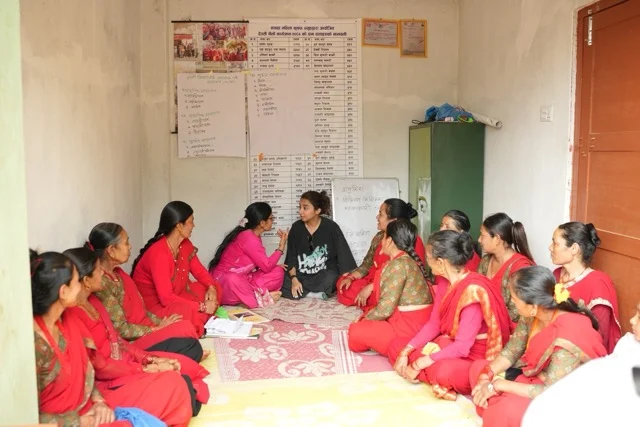
The ripple effects of these failures are profound. Families are left to navigate the cavernous grief of loss without institutional support, while communities are forced to shoulder the weight of trauma that rarely finds the space or resources to heal. Despite this, the burden of intervention has been unfairly shifted onto the shoulders of Black women themselves. It is the aunties, the healers, the survivors, and the community organizers who build safety nets out of scarcity. They act as first responders, doulas, and advocates, operating with meager resources while organizations and philanthropic institutions that hold immense wealth hesitate to commit the necessary capital to sustain this life-saving work.
Chronology of a Funding Crisis: The NoVo Fallout
The current fragility of the gender justice movement cannot be untangled from the shifting landscape of major philanthropy. A pivotal moment in this narrative was the 2020 decision by the NoVo Foundation—one of the largest and most influential funders in the gendered violence sector—to scale back its long-term funding commitments.
The Weight of the NoVo Foundation
To understand the depth of this crisis, one must quantify the footprint NoVo occupied. At its peak, the foundation held the largest footprint for gendered violence prevention in the sector, accounting for 96% of the resources in that specific domain. Furthermore, they secured 37% of all domestic funding for women’s rights and services, with a specific, intentional focus on the safety and advancement of Black women.
In 2013, the National Committee for Responsive Philanthropy (NCRP) honored the NoVo Foundation with an Impact Award, noting that the foundation’s leadership understood a fundamental truth: "Solving the most intractable problems in the world requires mass mobilization." By withdrawing or unraveling these large-scale commitments, the ripple effect was immediate and catastrophic. When funders retreat from long-term, survivor-led organizing, the infrastructure of Black feminist advocacy weakens. Mutual aid networks, already operating at maximum capacity, are stretched to the breaking point, and the broader safety movement shrinks, leaving the most vulnerable populations exposed.
Supporting Data: The Interconnectedness of Injustice
Black feminist movements have spent decades sounding the alarm, warning that gendered violence cannot be analyzed in a vacuum. It is inextricably linked to a web of economic and social injustices:
- Economic Violence: Poverty is a weaponized tool that traps individuals in abusive situations.
- Housing Instability: The lack of safe, permanent housing is a direct precursor to vulnerability.
- Healthcare Inequity: Disparities in care mean that Black survivors often lack access to the mental and physical support necessary to recover from trauma.
- State Violence and Criminalization: The systems meant to protect are often the same systems that penalize Black women for their own victimization.
These are not separate issues; they are, as activists argue, different manifestations of the same structural oppression. The divestment from these communities is a chronic condition that exacerbates every other challenge.
Perspectives on Collective Safety
The implications of this divestment are best articulated by those on the front lines of the advocacy movement. Russell Roybal, Executive Vice President and Chief Impact Officer at the NCRP, recently emphasized the necessity of a holistic approach to safety in a powerful statement on the state of the movement.
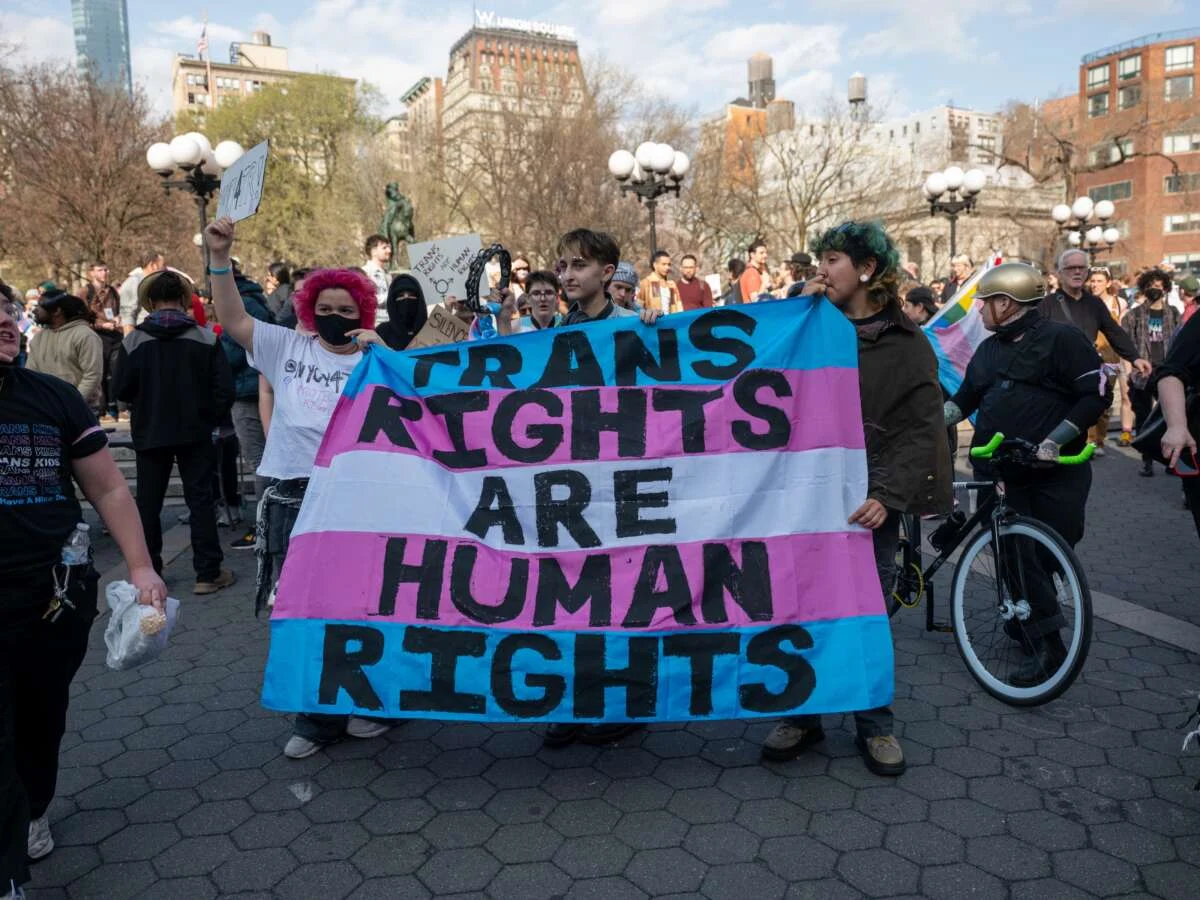
"Reproductive access, gendered violence, and LGBTQ+ rights are not separate stories," Roybal stated. "They find each other at the margins and intersections of the work and the hurt. They are chapters of the same book, written on bodies that have been policed, punished, and politicized for daring to exist outside of someone else’s control."
This perspective shifts the focus from "charity" to "human rights." It posits that bodily autonomy is a sacred, non-negotiable principle. When philanthropy views safety, dignity, and joy as "privileges" to be granted through short-term grants rather than "birthrights" to be protected through long-term structural investment, they fail to address the root causes of the violence they claim to oppose.
The Path Forward: Implications for Philanthropy
The retreat of major foundations has forced a reckoning within the nonprofit and philanthropic sectors. The "funding gap" created by the departure of institutional giants like NoVo has left a vacuum that, if not filled, will result in the erosion of decades of progress in the gender justice movement.
The Cost of Hesitation
When philanthropic organizations hesitate to resource grassroots, Black-led organizations, they are effectively choosing to maintain the status quo. The "hesitation" often cited by large institutions—fears regarding impact measurement, organizational capacity, or ideological alignment—is increasingly viewed by activists as a failure of imagination and a refusal to cede power.
Toward a New Model of Investment
To reverse the trend of violence and neglect, the sector must move toward a model of "trust-based philanthropy." This involves:
- Multi-Year, Unrestricted Funding: Moving away from rigid, short-term project grants that stifle innovation and force organizers to spend more time fundraising than doing the work.
- Centering Lived Experience: Prioritizing funding for organizations led by those who have lived the realities of gendered violence, rather than top-down institutions that lack community roots.
- Recognizing Intersections: Acknowledging that a grant to support housing for Black trans women is, by definition, a grant for gendered violence prevention, racial justice, and reproductive health.
Conclusion: A Call for Accountability
The murders of Tatyana Aliyah Brooks and Khadijah Muhammad are more than statistics; they are indictments of a society that has decided certain lives are less worthy of protection. The silence surrounding these deaths is funded by the lack of resources flowing to the people most capable of preventing them.
As the philanthropic community looks toward the future, it faces a stark choice. It can continue to operate in silos, retreating when the work becomes difficult or the politics become "too complex," or it can commit to the long-term, structural support of Black feminist movements.
The safety, dignity, and joy of Black women and gender-expansive people are not luxuries. They are the barometers of a functioning, equitable society. If philanthropy is to live up to its promise of solving "intractable problems," it must stop treating these issues as peripheral and recognize them as the central battleground for justice. The work is already being done on the ground—by the aunties, the survivors, and the healers. The only question that remains is whether the institutions that hold the keys to the treasury will finally decide to provide the resources necessary to keep that work alive.

 Reynand Wu
 Nana Muazin