 Nana Wu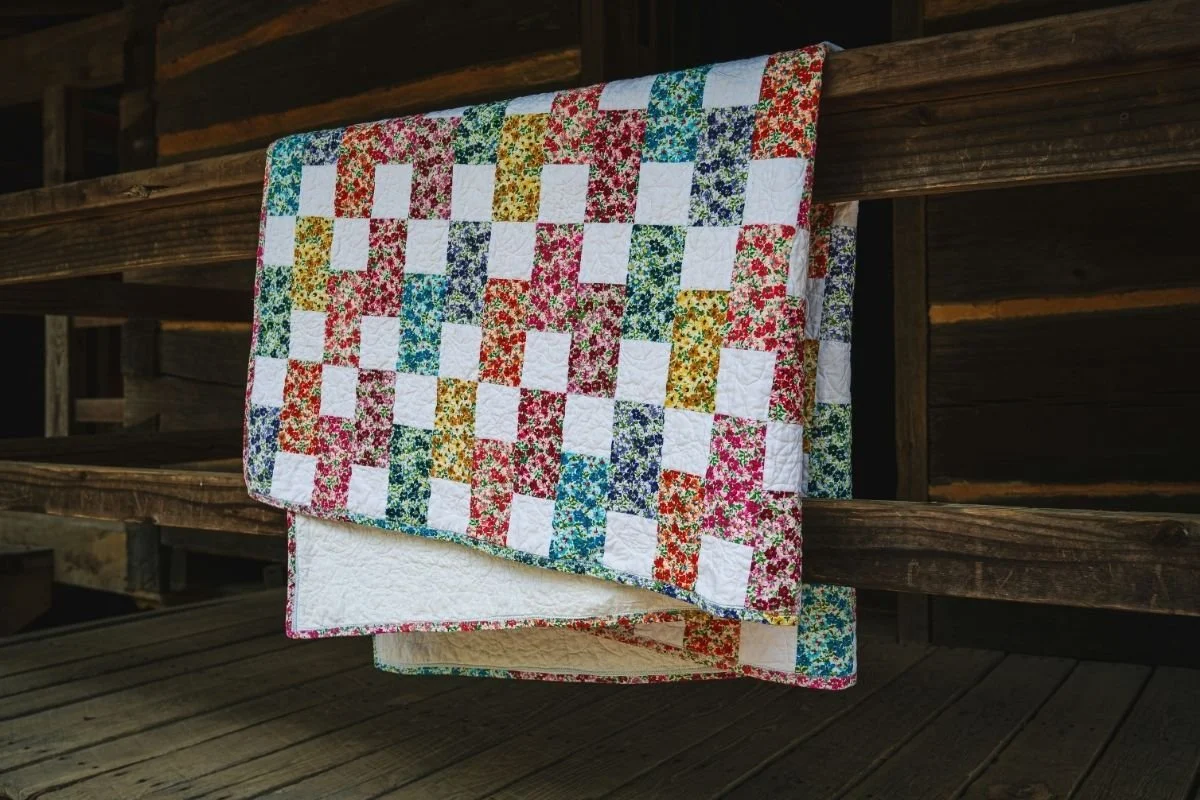
In the mid-1960s, a vibrant, geometric tapestry began to emerge from the rural landscape of Gee’s Bend, Alabama. These were not merely household goods; they were manifestos of survival, artistry, and economic defiance. Born from the hands of Black women whose ancestors had endured centuries of chattel slavery and systemic disenfranchisement, the Freedom Quilting Bee (FQB) transformed the simple act of sewing into a powerful engine of civil rights and economic autonomy.
More than a mere cooperative, the FQB served as a foundational pillar of community infrastructure, providing a blueprint for how marginalized populations could build democratic life, financial security, and collective power in the face of institutional exclusion.
The Crucible of History: Gee’s Bend and the Roots of Resilience
To understand the magnitude of the Freedom Quilting Bee, one must first confront the history of its cradle. Gee’s Bend, a remote peninsula surrounded by the Alabama River, has long been a site of profound tragedy and remarkable human resilience. The land, named for enslaver Joseph Gee, became a plantation in 1816. By 1845, the estate had passed to Mark H. Pettway, who forced 100 enslaved people to walk from North Carolina to Alabama to populate his new holdings.
Following the Civil War, the promise of emancipation was stifled by the brutal realities of the Jim Crow South. The residents of Gee’s Bend were trapped in a cycle of tenant farming and sharecropping, where corrupt landlords and unpredictable harvests kept them in a state of perpetual poverty.
However, within this crucible, a unique artistic tradition flourished. Generations of Black women developed a distinctive, improvisational style of quilting, using scraps of fabric—remnants of clothing, feed sacks, and worn linens—to create blankets that were both functional and deeply symbolic. These quilts were the visual language of a community that had been systematically denied a voice in the national narrative.
Chronology of a Cooperative Movement
The transformation of these quilts from domestic necessities to symbols of economic resistance began in 1966. The timeline of this evolution highlights the intersection of chance, strategy, and necessity.
- 1966: The Catalyst: Episcopal priest Father Francis X. Walter, while lost in the rural Alabama backwoods, stumbled upon the striking quilts hanging on clotheslines. Recognizing both their aesthetic brilliance and the community’s dire economic needs, he proposed the formation of a cooperative to leverage the quilts as a vehicle for funding civil rights activities.
- March 2, 1966: Founding: The Freedom Quilting Bee was established at the home of Estelle Witherspoon. It began with 60 members from across the Black Belt, a region then serving as the epicenter of the American Civil Rights Movement.
- April 2, 1966: Legal Incorporation: The FQB was officially incorporated as a nonprofit cooperative. Leadership roles were held by local Black women: Estelle Witherspoon (President), Minder Coleman (Vice President), Addie Nicholson (Secretary), and Mattie Ross (Treasurer).
- Late 1960s–1980s: Economic Expansion: The Bee secured major design contracts, including high-profile partnerships with the Columbia Broadcasting Company (CBS) and the retail giant Sears, Roebuck & Co.
- 2012: The Closing of a Chapter: Following the passing of the last original board member, Nettie Pettway Young, the formal cooperative disbanded. However, the legacy of the Gee’s Bend quilters had already been cemented in the canon of American art and social history.
Supporting Data: Economic Impact and Collective Labor
The success of the Freedom Quilting Bee was not merely anecdotal; it was quantifiable. During its peak years, the cooperative demonstrated the immense power of organized labor.
The cooperative’s efficiency was remarkable. At its height, the FQB produced 30,000 shams every six months. This production volume was a transformative economic force for the region, raising the average household income for participating families by as much as 25 percent. In a county where employment opportunities for Black women were virtually non-existent, the Bee provided more than just a paycheck; it provided a professional identity.
The success of the first two quilt auctions in New York City—where nearly every one of the over 100 quilts offered was sold—proved that there was a hungry national market for the community’s unique craft. This connection to the national economy was a radical disruption of the isolation that had defined the Black Belt for decades.
Voices of the Bee: Perspectives on Empowerment
For the women of Gee’s Bend, the Bee was the first time their labor was valued by the outside world. Lucy Mingo, a long-time piecer and quilter, reflected on the profound shift in opportunity:
"There are so many ladies here in Boykin who really didn’t have the opportunity and didn’t have the skills to go out and get a job. But once they got to the quilting bee, that was something for them. I just didn’t only want it for myself. I wanted it for whoever would be able to get them a job there."
Nettie Pettway Young echoed this sentiment, emphasizing the distinction between the drudgery of field labor and the pride of cooperative ownership:
"The Bee was the first business Black people in Wilcox owned. It was the first time I knew I was special, the first job I had—excusing cotton picking."
These testimonies underscore that the Bee was fundamentally about agency. By controlling the means of production and the sale of their goods, these women shifted from being subjects of a plantation economy to being masters of their own enterprise.
The Deeper Implications: Quilting as Civic Infrastructure
The Freedom Quilting Bee serves as a poignant reminder that democracy is not solely the product of governmental institutions; it is, and has always been, the product of collective action.
Democracy Outside of Formal Recognition
In regions where Black citizens were blocked from voting, serving on juries, or accessing public services, the FQB functioned as a shadow government of sorts. It provided a space for democratic participation, shared decision-making, and collective fiscal responsibility. By managing a business, negotiating contracts, and distributing earnings, the members of the Bee practiced the tenets of self-governance in a hostile environment.
The Radical History of the Craft
As curator Lauren Applebaum noted in Smithsonian Magazine, quilts have historically served as a medium for marginalized groups to confront violence and oppression. The Gee’s Bend quilts, through their bold colors and irregular, improvisational patterns, defied the rigid, standardized expectations of the era. They were an aesthetic rebellion, signaling to the world that even in the most neglected corners of the American South, there existed a sophisticated, resilient, and thriving culture.
A Blueprint for the Future
The legacy of the Freedom Quilting Bee offers a vital lesson for contemporary social movements. It demonstrates that long-term change is sustained when local communities solve their own problems through mutual aid and economic solidarity. The Bee proves that when ordinary citizens pool their labor and their genius, they create institutions that outlast the political circumstances of their birth.
Conclusion: The Unfading Pattern
Though the formal cooperative concluded in 2012, the "freedom" in the Freedom Quilting Bee remains a living concept. The quilts themselves have found their way into the permanent collections of major museums and continue to be studied by historians, sociologists, and artists.
The story of the FQB is a testament to the fact that democracy is built by people who refuse to wait for permission to be free. It is a reminder that when the doors of power are locked, the most resilient communities will build their own structures—one stitch, one patch, and one quilt at a time. The landscape of Gee’s Bend, once defined by the shadow of the plantation, has been rewritten by the vibrant, enduring legacy of the women who used their craft to sew a new future.

 Reynand Wu
 Nana Muazin