



 Suro Senen
The rapid integration of artificial intelligence (AI) into the American health care system has moved from an experimental novelty to a foundational element of the claims review cycle. As insurers, providers, and patients increasingly rely on automated systems to manage, bill, and appeal health care services, a complex regulatory tug-of-war has emerged. At the center of this debate is the Trump administration’s newly released "National Policy Framework for Artificial Intelligence," a document that proposes a fundamental shift in how the federal government approaches the intersection of innovation and consumer protection.
Main Facts: The New Landscape of Automated Care
The "claims review cycle"—comprising prior authorization (evaluating coverage before care), concurrent review (during care), and retrospective review (after care)—has been revolutionized by AI. Currently, 84% of health insurers utilize AI or machine learning in their utilization management and prior authorization processes.
The promise is efficiency: AI can process millions of claims in a fraction of the time required by human staff, potentially reducing administrative overhead. However, this shift introduces significant friction points. When insurers use AI to deny claims, the process often lacks the nuance of a clinical review by a human medical professional. Conversely, providers are utilizing generative AI to optimize billing codes and accelerate documentation, while patients are increasingly turning to AI-powered chatbots to draft appeal letters for denied services.
The central conflict arises from the "black box" nature of these algorithms. When a patient is denied a life-saving treatment, the lack of transparency regarding why an AI model reached that decision—and whether that decision was influenced by biased data—has spurred a wave of class-action litigation across the country.
Chronology: The Evolution of AI Oversight
The regulatory landscape for AI in health care has been in flux over the past 24 months, characterized by a sharp pivot in federal priorities:
- January 2025: The new administration begins a series of rescissions, nullifying the Biden-era Executive Order that had established a robust framework for "safe, secure, and trustworthy" AI, particularly regarding health care privacy and anti-discrimination.
- July 2025: The release of the "America’s AI Action Plan," which signaled a move toward a deregulatory, industry-friendly environment, threatening to withhold federal funding from states that implement "burdensome" AI regulations.
- December 2025: An Executive Order is issued that establishes a Department of Justice litigation task force specifically designed to challenge state laws that conflict with the federal goal of unhindered AI deployment.
- March 2026: The Trump administration officially releases "A National Policy Framework for Artificial Intelligence," proposing federal preemption of state laws to create a uniform, national standard for AI developers.
- April 2026: As of late April, at least 25 states have adopted or adapted the National Association of Insurance Commissioners (NAIC) model bulletin, signaling a localized attempt to maintain consumer protections despite the federal push for deregulation.
Supporting Data: The Disparity of Risk
The debate over AI is not merely theoretical; it is grounded in evidence regarding data reliability and patient harm. A landmark study revealed that algorithms using health care spending as a proxy for clinical need significantly underestimated the requirements of Black patients. Because systemic barriers historically result in lower health care spending for these populations, the AI erroneously concluded they required less care, thereby exacerbating existing racial health disparities.
Furthermore, privacy remains a paramount concern. While the Health Insurance Portability and Accountability Act (HIPAA) provides a baseline of protection for health plans and providers, it does not cover the burgeoning industry of third-party AI developers. As interoperability regulations—designed to make data flow more easily between patients and providers—are implemented, patient data is increasingly being aggregated. Critics argue that without strict federal oversight, this data may be harvested by tech companies for purposes far beyond patient care, including commercial sales and training new, proprietary AI models.
Official Responses and the Preemption Debate
The Trump administration’s AI Framework rests on the belief that a "patchwork" of state regulations stifles American innovation and global competitiveness. By promoting "industry-led standards," the administration hopes to create a climate where companies can scale AI solutions without fear of disparate local requirements.
However, this push for federal preemption—where federal law would supersede state-level protections—has drawn sharp criticism from state attorneys general and consumer advocates. The administration argues that its framework still allows states to exercise "traditional policy power" regarding fraud, child protection, and basic consumer rights.
State regulators, however, remain skeptical. For example, the Massachusetts Attorney General’s recent advisory highlighted that existing consumer protection laws must be aggressively applied to AI to prevent the "digital disenfranchisement" of patients. The core tension is whether the federal government will allow states to enforce their own standards, or if the "preemption" clause will leave millions of Americans with employer-sponsored, self-funded health plans (which are often exempt from state insurance oversight under ERISA) with little to no protection against algorithmic bias.
Implications for the Future of Health Care
As Congress prepares to deliberate on the administration’s proposals, several critical implications for the health care system have emerged:
1. The "Full and Fair" Review Requirement
Under ERISA, all employer-sponsored health plans must provide a "full and fair" review of claims. The current debate centers on whether an AI-generated denial can ever meet this legal standard. If the algorithm cannot explain its logic, and no human reviews the clinical details, is the patient receiving their legal due process? The legal system is currently grappling with this through ongoing class-action suits, which may ultimately force a judicial definition of "full and fair" in the age of AI.
2. The Role of the Federal Trade Commission (FTC) and FDA
There is growing sentiment that if the Department of Health and Human Services (HHS) retreats from oversight, other agencies must step in. Some legal scholars argue that the FTC should treat AI-driven claim denials as "unfair or deceptive trade practices." Simultaneously, there is a push to treat clinical algorithms like medical devices, requiring the FDA to conduct pre-market safety and efficacy evaluations before a health plan can use a specific AI tool for coverage determinations.
3. The Interoperability Paradox
While the federal push for interoperability—the ability for health systems to share data—is vital for modern medicine, it is a double-edged sword. Increased data sharing is a prerequisite for the most advanced AI applications. The implication is that we are moving toward a system where the convenience of digital health records comes at the cost of potential exposure to third-party AI entities. The public’s anxiety is palpable, with 77% of Americans expressing concern over the privacy of their information when utilized by AI.
4. The Impact on Health Equity
The ultimate test of any federal AI policy will be its impact on marginalized communities. If the national framework prioritizes speed over accuracy, the reliance on biased historical data will likely become codified into the insurance infrastructure. The move to restrict "burdensome" state regulations could effectively dismantle the only current safety net for patients facing automated discrimination.
Conclusion
The path forward requires a delicate balancing act. While AI offers the potential to strip away the administrative friction that has plagued the U.S. health care system for decades, it also possesses the power to obscure accountability. As the federal government pushes for a centralized, innovation-first approach, the onus falls on Congress to ensure that the drive for technological progress does not come at the expense of the fundamental rights of the patient. The next few years will determine whether AI becomes a tool that restores the human element to health care by reducing the burden of paperwork, or one that further distances the patient from the care they are entitled to receive.


 Ali Ikhwan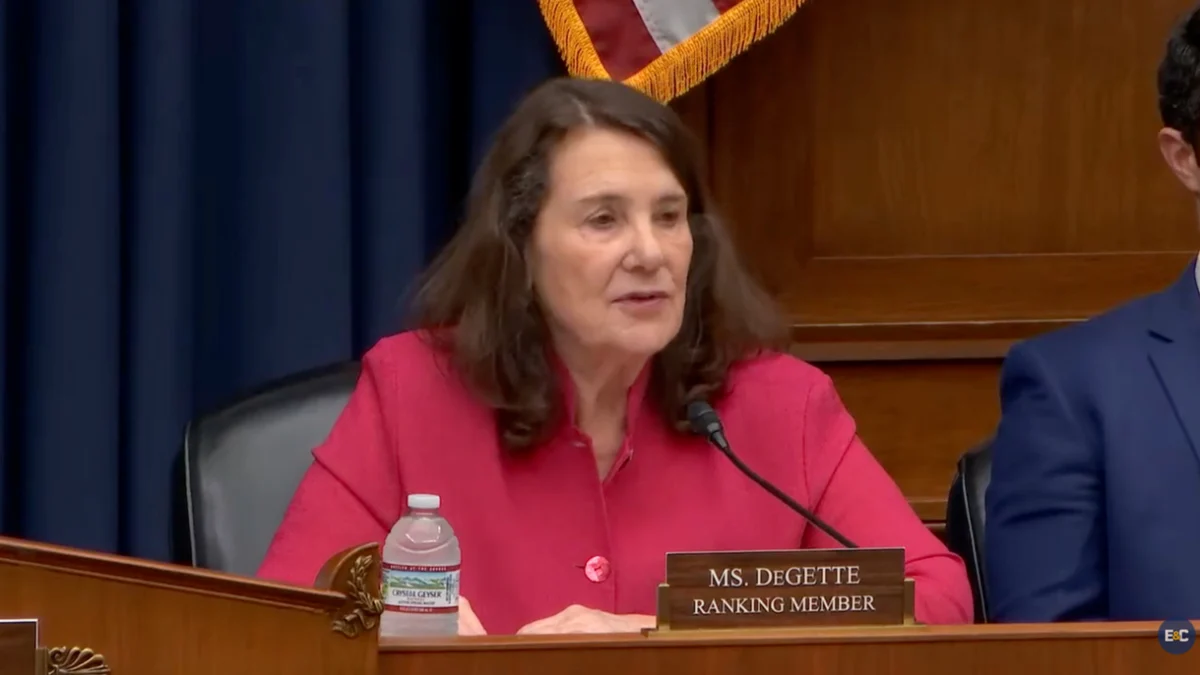
 Asep Darmawan