 Raul Delapena Setiawan

In the landscape of American politics, a persistent narrative suggests that climate change is a "luxury issue"—a concern reserved for those whose immediate survival is not threatened by economic instability. However, new data and burgeoning grassroots movements in the American South and Midwest are dismantling this trope. For Black voters, the environment is not an abstract concept of melting glaciers or rising sea levels; it is a "kitchen table" issue defined by the price of electricity, the quality of local air, and the rapid expansion of energy-hungry industries like data centers in their backyards.
Main Facts: The Paradox of Priority
As the United States approaches critical election cycles, a complex picture of the Black electorate is emerging. While national headlines often focus on shifting partisan loyalties, a deeper current of environmental concern is shaping voter behavior in swing states.
A comprehensive seven-state survey conducted by HIT Strategies for the Climate Equity Action Fund and the League of Conservation Voters (LCV) highlights a striking paradox. When asked to rank their top three motivating issues, only 9 percent of Black registered voters cited "climate change." By contrast, 74 percent identified the cost of living as their primary concern.
However, these figures do not signal indifference. When the questioning shifts from the abstract term "climate change" to specific environmental impacts, the numbers skyrocket. Over 80 percent of Black voters want their elected officials to prioritize addressing climate change, and nearly 90 percent demand policies that lower energy costs and reduce air and water pollution.
This disconnect suggests that for Black communities, climate policy is increasingly viewed through the lens of economic justice. The rise of the "data center boom"—particularly in states like Virginia and Georgia—has become the new frontline for this struggle. Residents are beginning to link the massive energy consumption of Big Tech facilities to the rising costs of their monthly utility bills and the degradation of local air quality.
Chronology: From Industrial Pollution to the Digital Cloud
The evolution of environmental consciousness in Black communities is often rooted in a history of industrial proximity. To understand the current skepticism toward "green" economic promises, one must look at the lived experiences of voters like Elijah Lee.
The Legacy of Roanoke Rapids
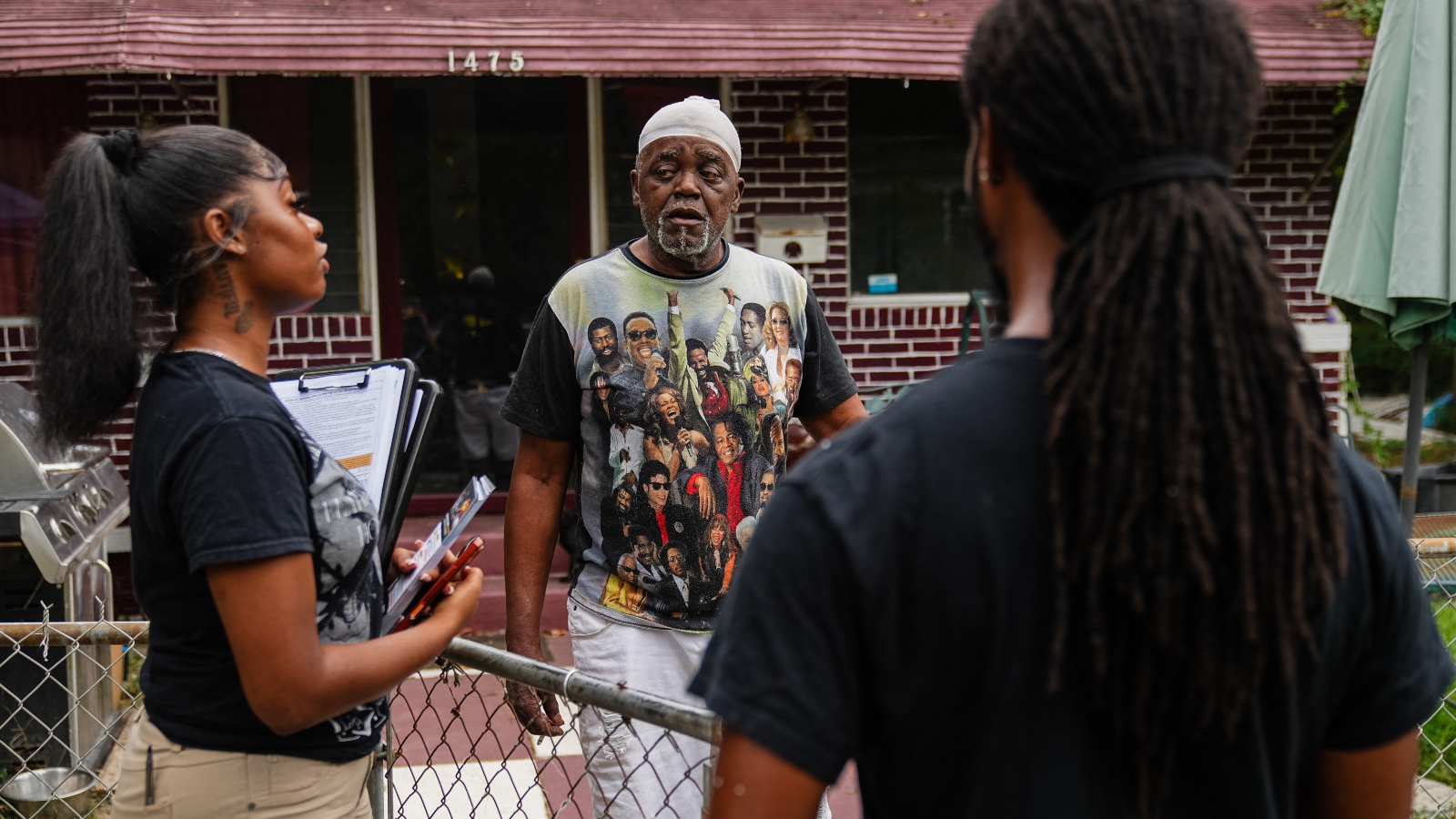
Elijah Lee, now 18 and preparing to cast his first ballot, grew up in Roanoke Rapids, North Carolina. The town, predominantly Black and low-income, was dominated by a local paper mill. For Lee and his peers, the mill was a dual-edged sword: it was the primary source of employment and the primary source of pollution. The school he attended sat in the shadow of the facility, where the air was frequently thick with the smell of industrial processing. This environment instilled an early understanding that for many Black families, economic survival has historically come at the cost of physical health.
The Virginia Transition
As a teenager, Lee moved to Virginia, a state that has rapidly transformed into the "data center capital of the world." The Northern Virginia corridor and increasingly the southern regions of the state have seen an explosion in data center construction, fueled by the global demand for cloud computing and Artificial Intelligence.
The Current Political Moment
Between September 24 and October 10, 2024, the HIT Strategies survey captured the sentiment of 2,000 Black and Latino voters across Arizona, Georgia, Michigan, Nevada, North Carolina, Ohio, and Pennsylvania. The timing is critical; as these swing states weigh their economic futures, the tension between industrial development (like data centers) and community health has reached a boiling point. Lee, representing a new generation of voters, now views the political promises of "data center-driven growth" with the same skepticism his elders held for the paper mills of the past.
Supporting Data: Breaking Down the Voter Sentiment
The HIT Strategies poll provides a granular look at how environmental issues intersect with race and party affiliation. The data reveals that Black voters are far from a monolith, yet they share a high baseline of concern regarding environmental protections.
Cross-Party Consensus
One of the most surprising findings of the survey was the level of support for climate action among Black Republicans. While climate change is often a hyper-polarized issue in the broader American electorate, 79 percent of Black Republicans stated it was important for candidates to prioritize the issue. This suggests that the "lived experience" of environmental hazards—such as living in flood-prone areas or near industrial sites—transcends partisan rhetoric within the Black community.
The Cost of Power
The survey also delved into the specific fears surrounding the data center boom:
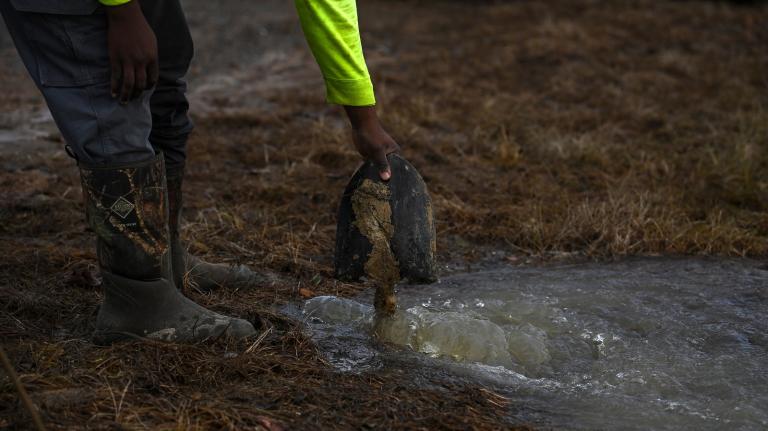
- 89% of respondents said it was vital for candidates to prioritize lowering energy costs.
- 52% of Black voters expressed direct skepticism that new policies would protect them from subsidizing the energy costs of large corporations.
- 86% emphasized the need to prioritize clean air and water.
The Skepticism Gap
A significant portion of the electorate—nearly 50 percent—expressed a sense of "environmental fatalism." These voters believe that powerful corporate interests will always block meaningful climate progress, regardless of how they vote. This indicates that the challenge for organizers is not convincing Black voters that the climate is changing, but convincing them that the political system is capable of delivering a response that benefits them rather than just corporate shareholders.
Official Responses and Advocacy Perspectives
Leaders in the environmental justice movement argue that the "messaging gap" is actually a "delivery gap." They contend that voters are waiting for a climate platform that speaks directly to their bank accounts.
The Organizer’s View: Bill Hairston
Bill Hairston, the national field director for the League of Conservation Voters, connects modern data center concerns to his own upbringing in Charleston, West Virginia. He recalls the "soot-covered yellow grass" of his grandmother’s home in a poor Black neighborhood near coal routes.
"I think it’s actually just putting two and two together," Hairston says regarding the current scrutiny of data centers. He argues that advocacy groups must help voters connect the dots between corporate land use, energy grid strain, and the resulting hikes in residential utility rates. For Hairston, the goal is to shift the conversation from "saving the planet" to "holding power companies accountable."
The Analyst’s View: Erica Tebbs
Erica Tebbs, a senior analyst at HIT Strategies, emphasizes that Black voters are highly pragmatic. "The proof that is needed is that their concerns will be addressed and responded to by elected officials and that a vote will result in a real impact in their community," Tebbs notes. She suggests that when politicians use the phrase "climate change," it can feel like a distant, global problem. However, when they talk about "safe drinking water" or "protection from corporate pollution," they are speaking the language of the Black electorate.
The Policy View: Andrea Cristina Mercado
Andrea Cristina Mercado, leader of the Climate Equity Action Fund, views the rise of data centers as a catalyst for a new type of organic movement. She points to the fact that even when told about proposed legislation—such as a Congressional bill requiring data center companies to pay for their own electricity infrastructure—voters remain wary. This distrust is born from decades of "economic development" projects that promised jobs but delivered automation and environmental degradation.

Implications: The Future of Climate Politics
The findings of the HIT Strategies poll and the personal testimonies of young voters like Elijah Lee suggest several profound implications for the future of American policy and the 2024 elections.
1. The Death of the "Jobs vs. Environment" Binary
For decades, politicians have argued that communities must choose between industrial jobs and environmental health. Young Black voters are increasingly rejecting this choice. As Lee points out, data centers are often touted as "mass sources of employment," but the reality is that they are highly automated facilities that provide few long-term jobs relative to their massive physical and environmental footprint. The new demand is for "prosperous futures" that include both economic stability and clean air.
2. The Utility Bill as a Political Weapon
As data centers consume more of the nation’s power grid—sometimes requiring the reactivation of coal plants or the delayed retirement of fossil fuel facilities—residential electricity rates are climbing. This "energy burden" falls disproportionately on low-income Black households. Candidates who can successfully link "green energy transitions" to "lower monthly bills" are likely to see a surge in support from this demographic.
3. A Generational Shift in Activism
The emergence of groups like the high school students in Spartanburg, South Carolina, who are organizing against data center expansions, signals a shift. The next generation of Black voters is not waiting for traditional environmental organizations to lead. They are engaging in "hyper-local" activism, using petitions and boycotts to challenge the digital infrastructure being built in their neighborhoods.
4. The Trust Deficit
Perhaps the most significant implication is the deep-seated distrust of corporate and government promises. To win over Black voters on climate issues, it will not be enough to pass "grand" legislation like the Inflation Reduction Act. The benefits of such policies—whether in the form of tax credits, cleaner air, or lower bills—must be felt tangibly at the household level.
For Elijah Lee, the journey from a paper mill town to a data center hub has been an education in the "politics of the inherited future." While he admits to feeling "deep concerns" about the environment his generation is inheriting, he remains driven by a "deep hope" that through collective action and informed voting, the tide can be turned. The question remains whether the political establishment is ready to listen to a community that is no longer asking for climate action as a favor, but demanding it as a matter of economic survival.


 Lina Irawan

 Nila Kartika Wati