




 Siti Muinah
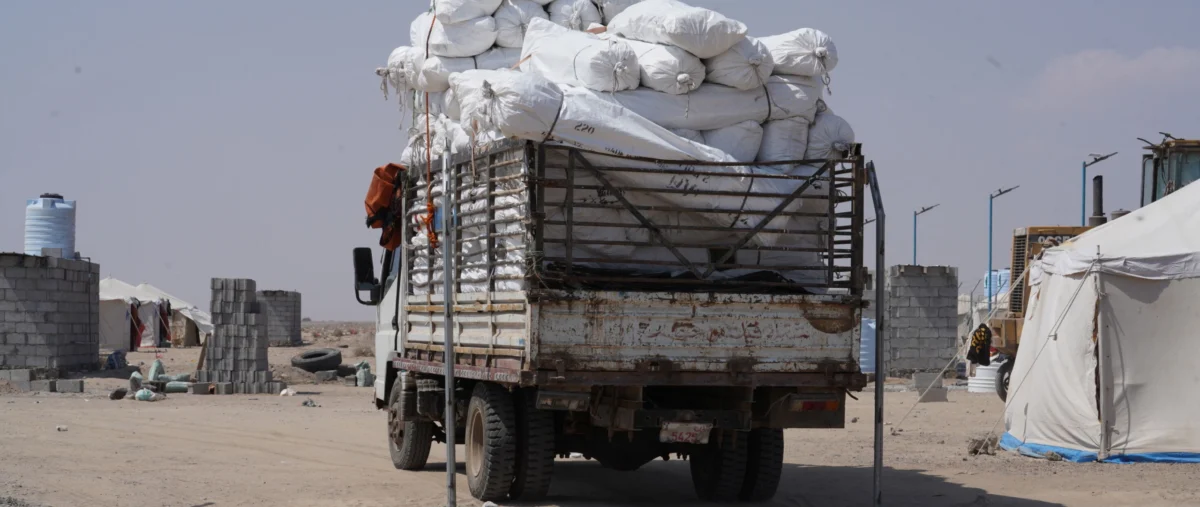
As the conflict in Yemen spirals into a new, more volatile phase, the city of Taiz—once the cultural heart of the nation—has been reduced to a desperate enclave. Amnesty International has issued an urgent demand for the Huthi de facto authorities to immediately lift the strangulating siege that has paralyzed the city, as renewed fighting between Huthi forces and the internationally recognized government pushes a densely populated urban center to the brink of total collapse.
The current situation is not merely a military stalemate; it is a profound humanitarian catastrophe. By severing the main arterial roads connecting Taiz to the port city of Aden in October, Huthi forces have effectively cut off the city’s lifeblood. This blockade has prevented the flow of essential humanitarian aid, leaving hundreds of thousands of civilians without reliable access to food, potable water, or emergency medical care.
Main Facts: A City Under Siege
Taiz, Yemen’s third-largest city, is currently trapped in a cycle of isolation and deprivation. Since the intensification of hostilities in October, the Huthis have consolidated their control over the outskirts, tightening a blockade that has been intermittent but suffocating since 2015.
The consequences for the local population are immediate and dire. UN agencies have sounded the alarm, reporting that medical facilities are running on the fumes of dwindling fuel and oxygen supplies. The local economy has been shattered; the cost of basic food items, including wheat and flour, has surged by 50 percent, and cooking gas has become a luxury few can afford.
For the residents of Taiz, the physical landscape of the city has been weaponized. With primary roads blocked, civilians are forced to navigate treacherous, poorly maintained mountain passes to access goods and services—a journey that is not only physically grueling but fraught with the constant danger of sniper fire, landmines, and artillery strikes.
A Chronology of Conflict: From Fragile Ceasefire to Renewed Hostilities
The current crisis represents the violent unraveling of a tenuous peace process that had offered a glimmer of hope to millions of Yemenis.
- 2022: A landmark UN-brokered ceasefire brought a rare period of relative stability to the region, providing a reprieve from the relentless violence that had characterized the preceding seven years of war.
- July 2025: The facade of the ceasefire shattered. The collapse was triggered by airstrikes on the Huthi-held Sana’a International Airport. The internationally recognized government attributed the strikes to a regional military response, while the Huthi authorities pointed the finger directly at Saudi Arabia.
- August–October 2025: The breakdown of the ceasefire saw an immediate intensification of fighting, particularly along the western coast and within the Taiz governorate. As diplomatic channels failed, the conflict morphed into a broader theater of regional instability, with Huthi drone and missile attacks targeting Saudi infrastructure, and Saudi-led coalition airstrikes resuming against Huthi-held territories.
- October 2025: The Huthi forces executed a strategic maneuver, closing the main road to Aden, effectively trapping the population of Taiz and marking the beginning of the current, acute phase of the humanitarian disaster.
Supporting Data: The Human Cost of Neglect
The toll of this escalation is not measured in territory gained, but in lives extinguished and futures derailed. According to the UN Human Rights Office, the period between August 1 and October 19 witnessed a harrowing surge in civilian casualties across the Taiz governorate.
During these three months alone, 32 civilians were killed, including 14 children and nine women. The number of injured is even more staggering, with 115 civilians—including 36 children and 34 women—suffering from the indiscriminate nature of the fighting.
The economic data is equally grim. With the blockade in place, the supply chain for essential staples has been severed. Humanitarian experts warn that current wheat and flour stocks within the city are likely to be exhausted within three weeks. For a city that already hosts the largest population of internally displaced persons (IDPs) in the country, this exhaustion of resources is not merely a logistical failure; it is a death sentence for the most vulnerable.
Official Responses and International Obligations
Heba Morayef, Amnesty International’s Regional Director for the Middle East and North Africa, has been unequivocal in her assessment of the crisis. "Once again, civilians in Taiz find themselves trapped and facing severe shortages of essential goods," she stated. "Under international law, the Huthis have an obligation to ensure the flow of aid and essential goods for civilians in need isn’t impeded in any way."
International humanitarian law (IHL) is explicit regarding the conduct of parties to a conflict. It requires that all combatants facilitate the rapid and unimpeded passage of impartial humanitarian assistance to civilians. Furthermore, IHL mandates that all parties must allow civilians in besieged areas the freedom to leave safely and ensure that humanitarian relief personnel are not targeted or obstructed.
Beyond the immediate requirements of the law, there is a mounting ethical demand on the international community. The global response to the Yemeni crisis has been consistently underfunded. Following widespread global aid cuts in 2025, the humanitarian response plan for Yemen remains critically undersized. Donors are now being urged to step up, not only with financial support but with sustained political pressure on the Huthi authorities to open the roads and release those arbitrarily detained, including vital aid workers.
The Broader Implications: A Regional Powder Keg
The tragedy in Taiz cannot be viewed in a vacuum. It is a microcosm of a much larger, more dangerous regional conflict. The war in Yemen has evolved into a proxy battlefield for major regional powers, with the Huthis receiving support from Iran, and the opposing coalition supported by Saudi Arabia and international actors including the United States.
The current escalation is intrinsically linked to the broader regional tensions involving Israel, Iran, and the United States. As these powers grapple for influence, the civilian population of Yemen—and specifically the people of Taiz—have become collateral damage. The collapse of the economy, combined with the renewed military hostilities, creates a volatile environment where the risk of total state failure grows daily.
The Path Forward
If history is any guide, the resolution of the Taiz crisis will not be found on the battlefield. The continued use of siege tactics as a tool of war is a violation of the basic principles of humanity. To avert a total catastrophe, several steps are essential:
- Immediate De-escalation: Both the Huthi de facto authorities and the internationally recognized government must agree to a local, monitored truce in and around Taiz to allow for the free movement of civilians and supplies.
- Unimpeded Humanitarian Access: International observers must be granted access to monitor the reopening of roads and ensure that aid is reaching those in need without interference from combatants.
- Humanitarian Funding: International donors must urgently bridge the funding gap in the humanitarian response plan to prevent a total famine and the collapse of the remaining health infrastructure.
- Accountability: The international community must prioritize the protection of civilians and hold all parties to the conflict accountable for violations of international humanitarian law.
The residents of Taiz have spent years enduring the impossible. They have survived aerial bombardment, economic ruin, and the constant fear of displacement. They are now, quite literally, starving in the center of their own city. The world cannot afford to look away as the doors to Taiz remain bolted. As Heba Morayef emphasized, the demand must be urgent and repetitive: open the roads, protect the civilians, and end the siege. Anything less is a failure of the international system to protect the most basic right of all—the right to life.

 Asro
 Lina Hope






