




 Pevita Pearce
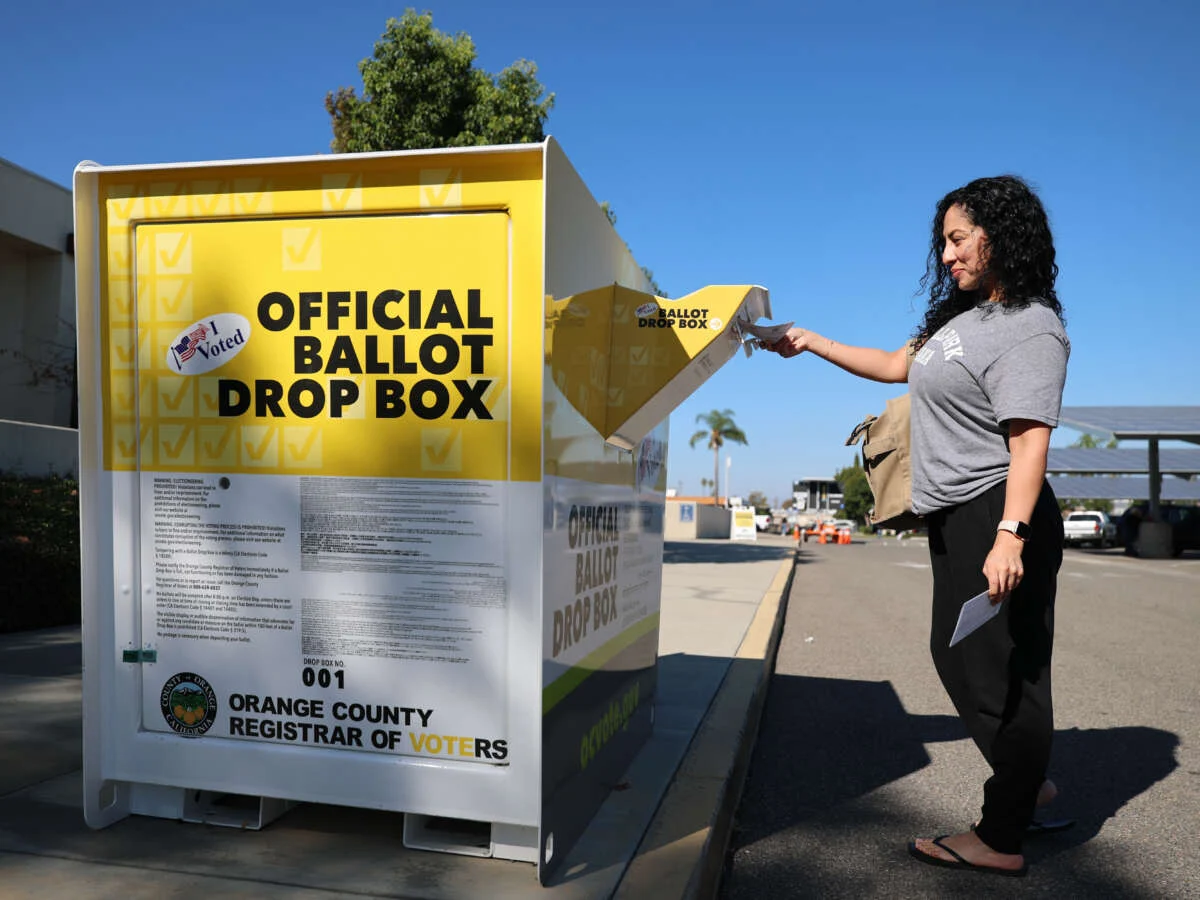
As the 2026 midterm elections approach, a quiet yet urgent consensus has emerged among election administrators across the United States: the U.S. Postal Service (USPS), once a reliable pillar of the democratic process, is no longer a guaranteed vehicle for casting a ballot. With administrative restructuring, financial instability, and shifting logistics creating a "perfect storm" for potential disenfranchisement, officials are pleading with voters to drop off their ballots in person, warning that relying on the mail may lead to an unprecedented wave of rejected votes.
The Context: A Service in Flux
The concerns regarding mail-in voting are not merely speculative; they are grounded in a series of institutional and political challenges that have plagued the USPS for years. Long before the current election cycle, the agency was already grappling with systemic fiscal strain, having reported over $118 billion in losses since 2007.
The agency’s internal motto—promising delivery regardless of "snow, rain, heat, or gloom of night"—is currently being tested against the harsh reality of modern logistics and budget-cutting measures. The Postmaster General has recently issued stark warnings that the agency could face a cash liquidity crisis as early as next year. These financial pressures have manifested in service degradation, with slower delivery speeds and increased costs for consumers.
However, the most acute threat to election integrity stems from the USPS’s “Regional Transportation Optimization” plan. Rolled out last year, this initiative has significantly reduced pickup frequencies at more than 15,000 local post offices located 50 miles or more from regional processing centers. For the voter, this means a ballot dropped into a blue mailbox or handed to a clerk at a rural post office may sit stagnant for 24 to 48 hours before it is transported to a facility where it can receive a time-stamped postmark. In states where the law mandates that a ballot must be postmarked by Election Day to be counted, this delay is not just an inconvenience—it is a potential constitutional barrier.
A Chronology of Escalating Tensions
The current climate of distrust surrounding mail-in ballots did not manifest overnight. It is the result of a multi-year trajectory involving executive maneuvering, judicial intervention, and operational failure.
- 2025 – Early 2026: The Postal Service implements the Regional Transportation Optimization plan, intended to streamline logistics but resulting in decreased reliability in rural sectors.
- March 2026: Former President Donald Trump attempts to formalize a plan that would transform the USPS into an "election regulation hub," granting the agency expanded power to reject ballots based on administrative criteria.
- May 2026: Primary elections across the country reveal the impact of the new logistics model. Oregon, a state with decades of experience in mail-in voting, serves as a canary in the coal mine, reporting a spike in rejected ballots due to missing or delayed postmarks.
- September 2026: The Supreme Court definitively strikes down the executive order that sought to empower the Postal Service as an election regulator, ending the legal battle but leaving the underlying operational infrastructure in a state of disarray.
- October 2026: With only weeks until the midterms, Secretaries of State across the nation initiate public awareness campaigns, effectively advising voters to treat the Postal Service as a secondary, rather than primary, option for returning ballots.
Supporting Data: The Oregon Case Study
Oregon’s experience provides the most compelling evidence of how systemic changes to the Postal Service are impacting voters. As the first state in the nation to transition to a full vote-by-mail system in 1998, Oregon is widely considered the gold standard for absentee balloting. If the system is faltering there, officials argue, it is likely failing elsewhere.
Recent audits conducted by the Postal Service’s own Office of Inspector General confirmed that network changes led to a marked decline in performance and a corresponding surge in consumer complaints. The data from the May 2026 primary was particularly alarming: approximately 7,300 ballots were rejected solely because they lacked a valid postmark by Election Day. This represented a 13% rejection rate, a significant jump from the 9.5% seen in the 2024 general election.
These numbers illustrate a chilling trend: voters are doing their part, mailing their ballots with enough time to arrive, but the administrative machinery is failing to stamp those ballots before the legal deadline. This gap between the act of voting and the act of processing is where thousands of democratic voices are being silenced.
Official Responses and Strategic Pivots
In response to the deteriorating reliability of the mail, state election officials are taking matters into their own hands, moving to bypass the postal system entirely where possible.
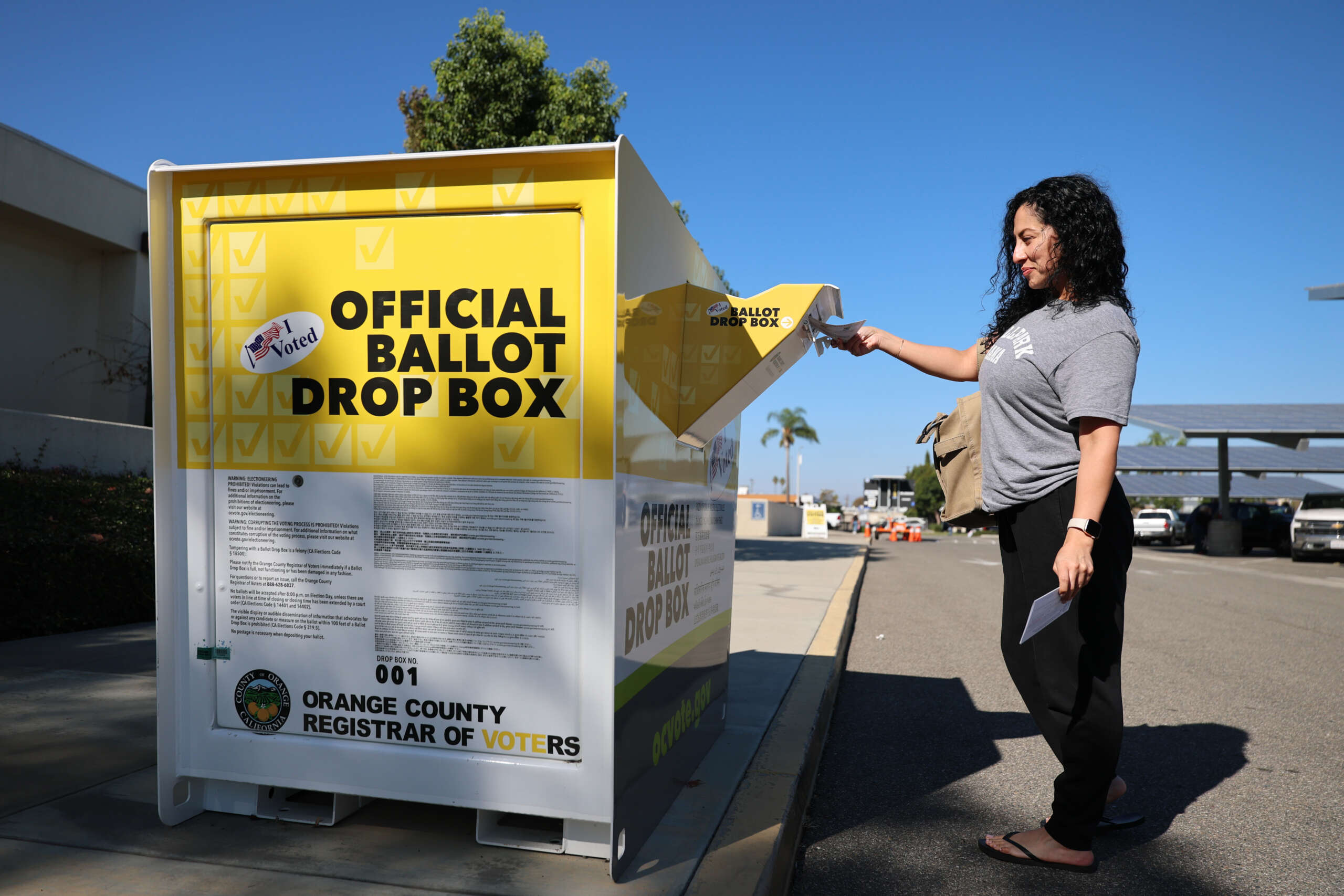
Oregon Secretary of State Tobias Read has become one of the most vocal critics of current postal performance. "We can’t count on it," Read stated in a recent briefing, referring to the USPS. "It might work, but I don’t want anyone to be taking a chance with their ballot." Read has been instrumental in expanding the state’s network of ballot drop boxes, which operate independently of the postal service. Despite challenges in rural areas, where the distance to a drop box can exceed an hour’s drive, the state has authorized the installation of 20 additional secure boxes to accommodate the expected influx of voters.
In Washington State, Secretary of State Steve Hobbs has adopted an even more aggressive stance. Hobbs is explicitly advising voters to submit their ballots at least 10 days before the deadline. His office noted that in some Washington counties, the rate of rejected ballots due to late postmarks increased by over 300% between the 2024 and 2026 primaries. "If you’re going to mail, you better do it right away," Hobbs warned. "Don’t wait."
Even the Postal Service itself, sensing the growing public anxiety, has launched a public service campaign urging voters to "mail early." Their official guidance suggests a one-week lead time, though this recommendation is increasingly viewed by local election experts as an optimistic estimate that does not account for the localized bottlenecks created by the current consolidation plan.
Implications for the Midterms
The implications of this situation for the 2026 midterms are profound. First, there is the immediate risk of disenfranchisement, particularly in rural and conservative-leaning areas where voters are geographically isolated and more reliant on the mail. If thousands of voters are blocked from the process due to administrative delays, the legitimacy of the results in tight races could be called into question.
Second, the crisis has forced a fundamental change in voter behavior. The "mail-in" model, which many citizens adopted during the pandemic for its convenience, is losing its luster. Election offices are bracing for a massive surge in foot traffic at drop-box locations and in-person voting centers, which presents its own logistical challenges in terms of staffing and security.
Finally, the situation has eroded public trust in the institutional neutrality of the Postal Service. When an agency responsible for the delivery of ballots is perceived as unreliable—or worse, as a political tool—it feeds into broader narratives of election skepticism.
As we head into November, the message from officials is clear: the convenience of the mailbox is a luxury that this year’s election cycle cannot afford. Voters are being urged to treat their ballot as a high-priority, time-sensitive document that requires direct, secure, and personal delivery to a government-sanctioned drop site. In a system currently under strain, taking the "long way" to the ballot box may be the only way to ensure the vote is counted.

 Rifan Muazin
 Ammar Sabilarrohman






