

 Siti Muinah
For decades, the American South has served as both the primary laboratory for the nation’s most regressive authoritarian tendencies and the cradle of its most resilient democratic movements. Today, as the political landscape shifts toward what many are calling "Jim Crow 2.0," the philanthropic sector faces a reckoning. The survival of American democracy may well depend on a fundamental pivot: shifting from transactional, election-cycle funding to deep, multi-year commitments in Southern organizing.

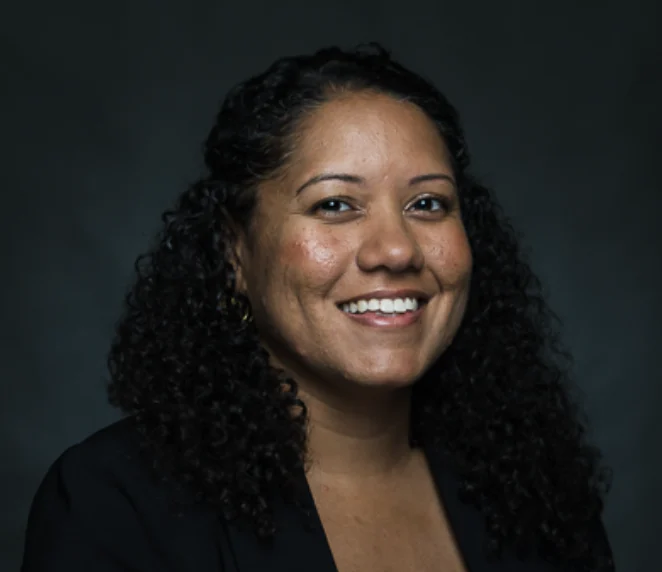
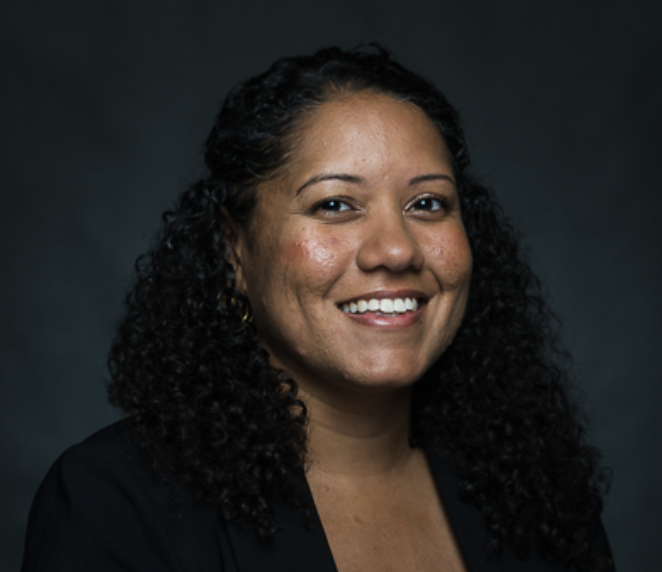
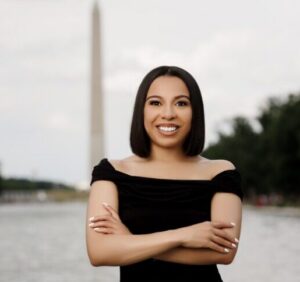
This call to action is championed by ada smith, Governing Power Director for the Backline Alliance, and Hillary Holley, Vice President of Politics & Advocacy for Women Donors Action. Together, they are urging the donor class to stop viewing the South through the lens of "battleground states" and start viewing it as the foundational front line of a national struggle for liberation.
The Cycle of Disinvestment and Its Consequences
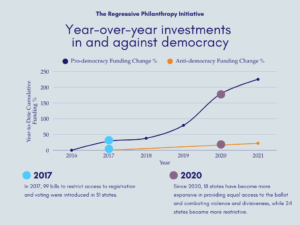
The current philanthropic model in the South is characterized by a "boom and bust" cycle. When national pollsters and Washington-based political operations deem a Southern state "flippable" in the months leading up to an election, money pours in. When the election concludes—regardless of the outcome—that capital vanishes, leaving local organizations to dismantle their infrastructure and lay off staff.

"We have witnessed this for our entire lives," says Hillary Holley, a lifelong Georgian. "Our communities have felt the consequences of funders coming in and out of our states. We see a boom of investment, then the cycle ends, and the dollars disappear. Our friends and movement leaders are forced to fight authoritarian attacks with mere pennies."

This inconsistency is not merely an inconvenience; it is a strategic error that leaves progressive infrastructure brittle. While donors chase short-term electoral "wins," the opposition is playing a long game of structural consolidation. By the time the next election cycle arrives, the progressive base is often weaker than it was before, having been starved of the resources necessary to sustain year-round advocacy and base-building.

Chronology of a Regression: The Rise of Jim Crow 2.0
To understand the urgency of this moment, one must look at the systematic erosion of civil rights currently unfolding in the South.

The Dismantling of Voting Rights
The legal landscape has shifted dramatically. The judicial decision in Louisiana v. Callais has effectively gutted the core protections of the Voting Rights Act. This is not an isolated incident but part of a concerted effort to collapse Black leadership across the region. Recent estimates suggest that as many as 19 Black-led congressional districts, along with thousands of local offices and school boards, are at risk of being erased or rendered politically impotent this year.

The Spread of Authoritarian Policy
The South is currently functioning as the primary site for the development of policies that are subsequently exported to the federal level.

- Public Benefits: The 2025 cuts to SNAP and Medicaid under the federal administration were, in many ways, the culmination of a century-long effort to undermine the social safety net for Black and brown families in the South.
- Reproductive Rights: The dismantling of Roe v. Wade did not happen overnight. It was the direct result of decades of legislative "heartbeat" and "gestational age" bills first tested in states like Mississippi.
- Environmental Racism: The rapid influx of data centers in the rural South represents a modern iteration of historical, extractive corporate practices that prioritize the wealth of white entrepreneurs while displacing the environmental and economic health of Black, brown, and rural communities.
Supporting Data: The Philanthropic Gap
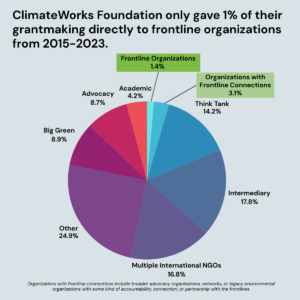
The 2024 report from the Council of Foundations provides empirical backing to what Southern organizers have long claimed: the South and small, rural communities receive the least amount of investment from major grantmakers. This disparity is not just about a lack of dollars; it is about the nature of the dollars.

When national money does reach the South, it is frequently accompanied by "unreasonable and burdensome expectations." These requirements often force grassroots organizations to shift their focus away from their core mission—community building and advocacy—to satisfy the reporting needs of funders who may not understand the local context.
Furthermore, the data shows that when electoral goals are not met, philanthropy often views the loss as a signal to divest. This "punishment" of organizers for losing in rigged political systems ignores the reality that these groups are working in environments specifically designed to limit their influence.
A Blueprint for Repair: The Reconstruction Model
Despite the grim reality, the South also provides the most compelling vision for what a national plan for repair could look like. During the Reconstruction era, the presence of federal enforcement of voting rights and the protection of communities led to a historic boom in democratic participation. Sixteen Black leaders were elected to Congress, and hundreds more served in state legislatures and local offices. This period saw unprecedented investment in public education, welfare, and healthcare—benefits that did not just stay in the South but lifted up rural residents and low-income populations across the entire country.

"The South provides perhaps the starkest, most necessary example of what a national plan for repair might resemble," says ada smith. "We know it works because we have the historical proof of the impact of deep, sustained support for community-led efforts."
The Call for a Collective Commitment
As the 2026 midterms approach, candidates in states like Florida, Tennessee, and Texas are already demonstrating a new, 21st-century vision of a progressive South. Their success, despite limited support from national funders, proves that Southern communities are not just "ready" for change—they are actively driving it.

The Shift to Unrestricted 501(c)(4) Funding
Women Donors Action and the Backline Alliance are calling on the philanthropic community to adopt three critical changes:

- Multi-Year Commitments: Funding must be centered on the long term—not just for one or two election cycles, but for a generation.
- Unrestricted 501(c)(4) Grants: It is critical to unlock 501(c)(4) funding to allow groups on the ground to engage in direct political and electoral activity while continuing their year-round advocacy.
- Trusting the Frontlines: Donors must move away from transactional, high-profile-race-only models and trust the organizers who are on the ground year-round, regardless of a state’s "battleground" status.
Implications for the Nation
The transformation of the South is inextricably linked to the health of the American nation. As history has shown, policies developed to oppress in the South eventually find their way to the rest of the country. Conversely, policies that foster democracy, equity, and public investment in the South have the power to uplift the nation.

"This is not about counting electoral math; it is about funding the foundation of repair," the authors note. "We are asking donors and funders to invest in the strategies that build and sustain political power across the South. If we treat this as a collective commitment—a down payment now and a pledge to pay the 30-year fixed-rate mortgage—we can move from dreaming of change to implementing a structural plan for transformation."

Philanthropy stands at a crossroads. It can continue to fund the status quo, chasing short-term metrics while the foundations of democracy crumble, or it can commit to the long, necessary work of resourcing the South. When the South transforms, the nation follows. The question for donors is no longer whether to invest, but whether they have the courage to invest in a vision that transcends the next election cycle.
About the Authors
Hillary Holley is the Vice President of Politics & Advocacy for Women Donors Action. A lifelong Georgian, her movement roots began in Atlanta, where she worked on the 2018 Stacey Abrams campaign and helped found Fair Fight Action.
ada smith is the Governing Power Director for the Backline Alliance. Raised by Appalshop filmmakers, she is a founding member of the Stay Together Appalachian Youth (STAY) Project and a steering committee member for the Southern Power Fund. Her work is rooted in the radical, long-standing traditions of Southern organizing.

 Suro Senen

 Nila Kartika Wati






