



 Azzam Bilal Chamdy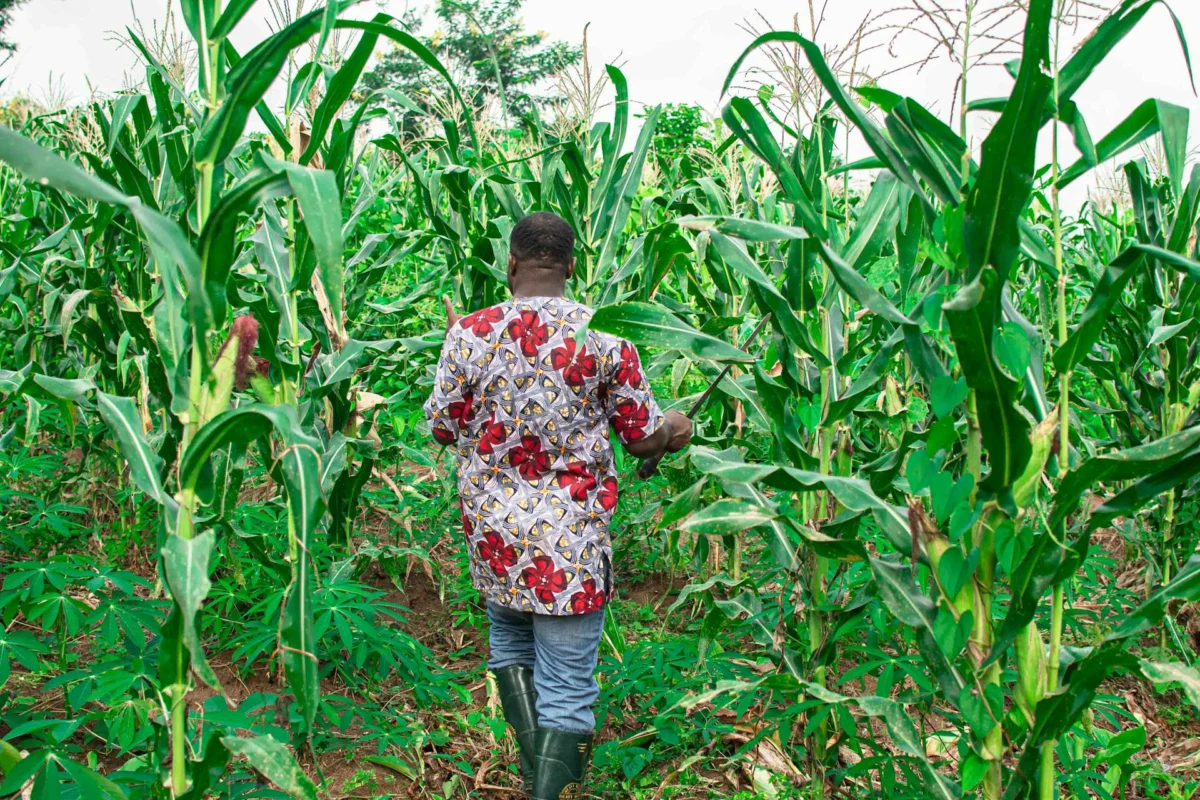
In the vast, sun-drenched agricultural heartlands of the Africa-Middle East region, a quiet environmental crisis has been unfolding for decades. While crop protection products are essential to securing food supplies and protecting harvests from the ravages of pests, their lifecycle does not conclude when the last drop is sprayed. The plastic containers left behind—once considered mere refuse—have long posed a silent, persistent threat to the delicate balance of ecosystems and the health of rural communities.
Today, however, a transformative shift is taking place in Zambia. By transitioning from a culture of disposal to one of stewardship, the nation is pioneering a scalable model for responsible agricultural management that is drawing the attention of policymakers and environmentalists across the continent.
The Hidden Legacy of Pesticide Waste
The challenge of empty pesticide containers is a multifaceted issue that extends far beyond simple littering. In many parts of Africa, the absence of formal collection infrastructure has historically left farmers with few options: burning the plastic, burying it in shallow pits, or, most alarmingly, reusing the containers to store water, cooking oil, or grains.
Each of these traditional disposal methods carries a heavy price. Burning containers releases toxic fumes—including dioxins and furans—into the atmosphere, which are inhaled by nearby families and settle on crops. Burying them allows chemical residues to leach into the groundwater, contaminating the very wells that communities rely on for daily consumption. Perhaps most dangerous is the domestic reuse of these vessels, which exposes families to chronic, low-level chemical poisoning. Furthermore, the lack of a controlled disposal chain allows these containers to leak back into informal markets, creating a secondary, illegal trade that perpetuates misuse and exacerbates environmental degradation.
A Chronology of Change: From Neglect to Responsibility
The journey toward a systemic solution in Zambia did not happen overnight. It represents a deliberate evolution of policy and practice:
- Pre-2020: The Era of Individual Responsibility: Stewardship was largely nonexistent. Small-scale farmers, lacking guidance, relied on traditional methods of waste disposal. Informal disposal remained the standard practice across the Chongwe and Mkushi districts.
- 2020-2022: Framework Development: Recognizing the looming crisis, the Zambian government began laying the groundwork for Extended Producer Responsibility (EPR) frameworks. These policies sought to shift the burden of waste management from the consumer to the producers and importers.
- 2023: Pilot Initiatives: CropLife Zambia and its partners began the conceptualization of aggregation hubs. These facilities were designed to act as centralized collection points where farmers could drop off rinsed, punctured containers.
- 2024: The Breakthrough: The pilot initiatives hit their stride. In a single year, the program successfully processed over 10 tons of plastic waste. This proved that with the right logistics, the "waste" could be redirected toward recycling, transforming an environmental liability into a reusable resource.
- 2025-Present: Scaling and Integration: Training programs reached a fever pitch, with 443 farmers trained in the Chongwe district alone. The current focus has shifted to institutionalizing the model, with plans for new hubs in Mazabuka and beyond.
Supporting Data: The Impact of Stewardship
The success of the Zambian model is built on tangible, measurable metrics that highlight the efficacy of the "triple-rinse" protocol.
The Triple-Rinse Protocol
The cornerstone of this initiative is the triple-rinse technique. By rinsing a container three times immediately after it is emptied, farmers can remove up to 99.9% of residual chemical content. This simple, low-cost intervention is the difference between a hazardous waste product and a recyclable plastic asset.
Farmer Engagement and Market Influence
- Educational Reach: In 2025 alone, 443 farmers in the Chongwe district were formally trained in safe handling, rinsing, and disposal.
- The Role of the Agro-Dealer: Data indicates that over 77% of small-scale farmers rely on agro-dealers for guidance on product use. By empowering these dealers to act as educators, the program ensures that safety information is delivered at the critical point of purchase.
- Waste Diversion: The removal of 10 tons of plastic from the rural landscape represents a significant reduction in soil contamination and a direct improvement in local water safety.
Official Perspectives: Building a Coordinated Ecosystem
"Stewardship is not merely a matter of compliance," says a spokesperson from the initiative’s partnership board. "It is about fostering a culture of ownership. When a farmer understands that the plastic in their hand is a resource to be managed rather than trash to be discarded, the entire landscape changes."
Government officials, while acknowledging the gaps in current EPR implementation, have lauded the progress in districts like Chongwe. The consensus among stakeholders—including the Ministry of Agriculture, private industry, and environmental NGOs—is that infrastructure is only one pillar of a successful system. The other, equally vital pillar, is legislative support.
By strengthening the enforcement of EPR policies, the government aims to incentivize industry players to invest in the logistics of collection. "We are moving toward a future where the cost of recycling is built into the value chain," a government representative noted. "The goal is to make responsible disposal the path of least resistance for the farmer."
Implications for the African Continent
The implications of the Zambian experience extend far beyond the borders of the nation. Across Africa, the agricultural sector is the primary engine of economic growth. As production intensifies to meet the needs of a growing population, the volume of pesticide use is projected to rise. If the current model of disposal is not addressed, the environmental cost could stifle the very growth that agricultural development aims to foster.
The Scalability of Aggregation Hubs
The aggregation hub model offers a blueprint for other nations. By concentrating plastic waste at specific geographic points, the initiative makes it economically viable for recycling firms to collect the material. This creates a circular economy: agricultural plastic is collected, processed, and often transformed into secondary goods, such as plastic piping or construction materials.
Climate-Smart Farming
Proper pesticide lifecycle management is an essential component of climate-smart agriculture. By preventing chemical contamination of soil and water, the initiative preserves the biodiversity of the ecosystem, which in turn helps local farms remain resilient against climate shocks. Healthy soil is more productive, and clean water is more sustainable; therefore, the simple act of rinsing a container is a direct contribution to national food security.
The Path Forward: Towards a Circular Future
Despite the progress, the path ahead requires sustained commitment. Expansion of the aggregation network requires significant capital investment, improved logistics, and consistent, long-term policy support.
To achieve a truly sustainable system, the following priorities must be addressed:
- Strengthening Legislation: Move from voluntary stewardship to mandatory EPR schemes that hold manufacturers accountable for the full lifecycle of their products.
- Expanding Logistics: Increase the number of aggregation hubs to reach remote farming communities, ensuring that the distance to a collection point is not a barrier to participation.
- Investing in Recycling Infrastructure: Support the growth of local plastic recycling industries to ensure there is a ready market for the collected material.
- Deepening Farmer Education: Continue the integration of stewardship training into national agricultural extension services.
Conclusion: Stewardship as a Legacy
The empty containers now arriving at the hubs in Chongwe and Mkushi are symbols of a deeper transition. They represent a shift in the mindset of the modern farmer—from a passive user of chemicals to an active guardian of the land.
Zambia has demonstrated that the challenges of modern agriculture are not insurmountable. Through collaboration between the public and private sectors, through the empowerment of small-scale growers, and through the commitment to practical, on-the-ground solutions, the agricultural sector can grow without compromising the environment. As other nations look to build their own sustainable systems, the lessons from the Zambian experience offer a clear, actionable path: when productivity and environmental stewardship are treated as twin pillars of development, the harvest of the future will be not only more bountiful but also more secure.


 Dwi Wanna
 Asep Darmawan