


 Siti Muinah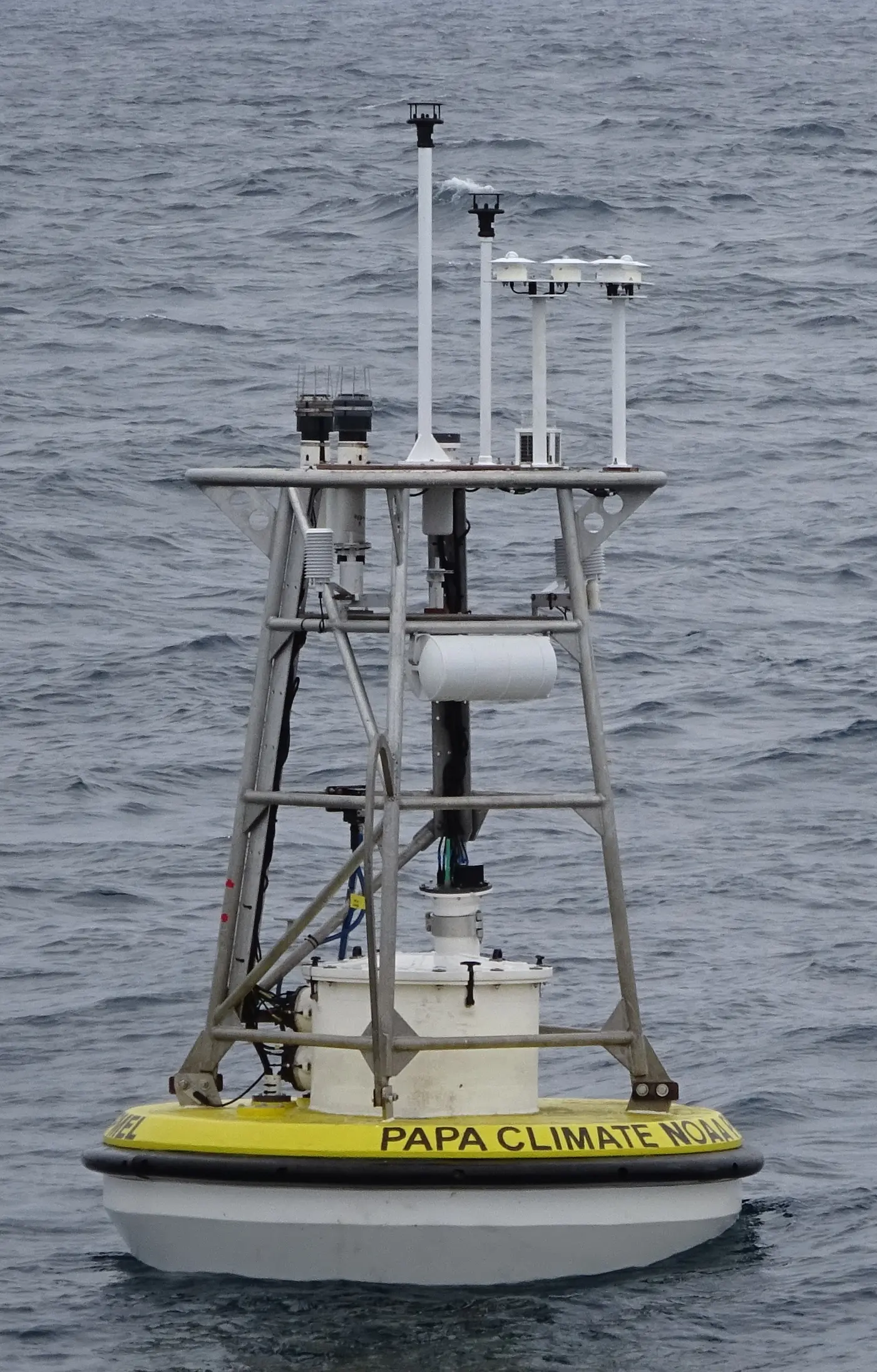
Welcome to Cited, your essential, deep-dive guide to the most pressing developments in climate science, policy, and environmental monitoring.
In the News: A Season of Extremes and Institutional Uncertainty
The transition into the summer of 2026 has been defined by a sharp juxtaposition: an aggressive, record-shattering heatwave across Europe and a tightening of political oversight on the very scientific infrastructure needed to understand our changing planet.
The May Heatwave: A Warning from the Thermometer
Western Europe experienced an "exceptionally early" and intense heatwave throughout May, pushing temperature records to unprecedented levels. In the United Kingdom, thermometers climbed to 35.1C, while parts of France endured 36C heat. Portugal faced the most severe conditions, with temperatures soaring to 40.3C.
According to Météo-France, this event was driven by a classic "heat dome"—a high-pressure system that traps hot air, leading to temperatures more than 10C above seasonal averages. As these events become more frequent, the scientific community is increasingly focusing on the attribution of these spikes to human-induced climate change, with Carbon Brief reporting a significant shift in how mainstream media outlets are linking individual extreme weather events to broader global warming trends.
Research Stymied: The New Political Landscape
While the climate warms, the mechanisms for studying it are facing unprecedented hurdles in the United States. New draft regulations proposed by the White House would grant political appointees final authority over federal research grants. Climate scientists have warned that this "sweeping" change could lead to the ideological vetting of research, potentially stymieing critical work in fields ranging from renewable energy to atmospheric physics.
Simultaneously, the National Science Foundation (NSF) announced the dismantling of a $368 million deep-sea observation network, the Ocean Observatories Initiative (OOI). This move effectively blinds the scientific community to real-time data regarding ocean currents and heat absorption, prompting outcry from the global research community.
WMO Forecast: The Five-Year Horizon
The World Meteorological Organization (WMO), in conjunction with the UK Met Office, has released a sobering outlook for 2026–2030. The report projects that average global temperatures will hover between 1.3C and 1.9C above pre-industrial levels. Perhaps most alarmingly, the data suggests that within the next five years, the world will likely experience at least one year that surpasses 2024—currently the warmest year on record.
Chronology: The Escalation of Climate Tension
- Early May 2026: Temperatures across Western Europe begin an anomalous climb, marking the start of a historic heatwave.
- May 28, 2026: The WMO/UK Met Office releases its forecast for 2026–2030, warning of near-record global temperatures.
- June 2, 2026: The Guardian reports on the dismantling of key deep-sea observatories by the NSF.
- June 4, 2026: Bloomberg covers the White House proposal to allow political appointees to vet federal science grants, sparking intense debate over scientific independence.
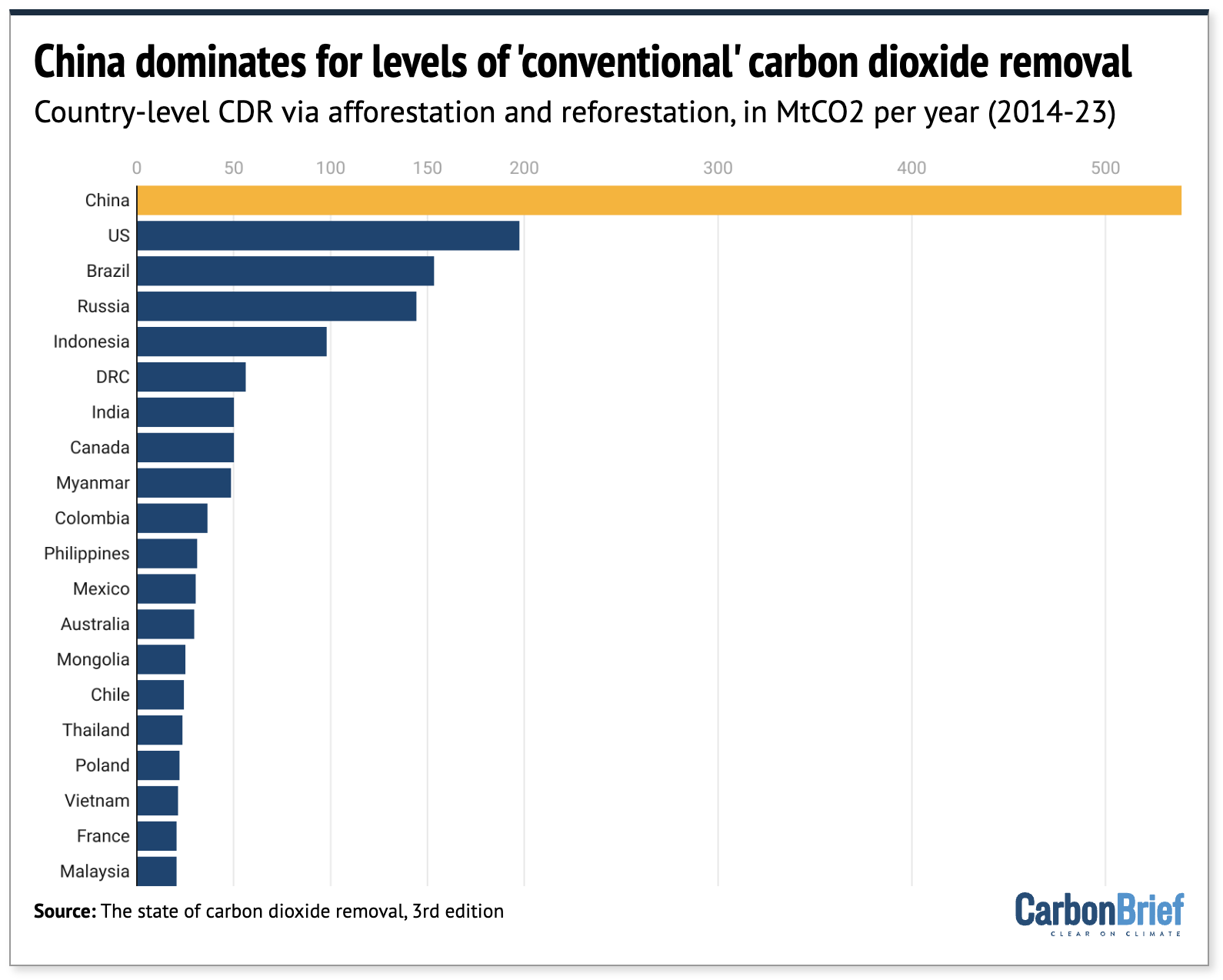
- Early June 2026: The third annual State of Carbon Dioxide Removal report is published, highlighting China’s leading role in conventional CDR techniques.
Supporting Data: By the Numbers
- 625x: The scale of increase in "compound" exposure to extreme heat and air pollution in cities across the Global South compared to those in the Global North between 2003 and 2020. This data, published in npj Urban Sustainability, underscores the growing inequality in climate vulnerability.
- 539 Million Tonnes: The average annual amount of CO2 removed by China through "conventional" methods (afforestation and reforestation) between 2014 and 2023. This is more than double the capacity of the United States, placing China at the forefront of natural carbon sequestration efforts.
- 1.3C to 1.9C: The projected range of global average temperature increase above pre-industrial levels for the next five years.
Spotlight: AMOC Observations at Risk
The Atlantic Meridional Overturning Circulation (AMOC) is the "conveyor belt" of the ocean, a system of currents responsible for moving warm water from the tropics toward the North Atlantic. It is the reason Europe enjoys a climate significantly milder than its latitude would otherwise dictate.

At the heart of this system lies the Irminger Sea, a region of critical importance where surface waters grow dense and cold, sinking to the depths to begin their long, slow journey south. It is an "action centre" for the climate, and it is currently the focus of a funding crisis.
The "Descoping" of Vital Infrastructure
The recent decision by the US government to "descope" the Ocean Observatories Initiative (OOI) involves removing key instrumentation moorings in the Irminger Sea. These moorings are not merely academic tools; they are essential components of the OSNAP (Overturning in the Subpolar North Atlantic Program) array—a massive, international, trans-Atlantic network that monitors the health of the AMOC.
"Funding is perilous all the time," says Prof. Penny Holliday of the UK National Oceanography Centre. The reliance on short-term, competitive research grants creates a precarious environment for infrastructure that requires decadal continuity.
The Conflict of Timelines
A report prepared for Nordic ministers recently categorized the RAPID and OSNAP monitoring arrays as being in "critical condition." The fundamental issue is a clash of timescales:
- The Climate Signal: Scientists need 40 to 60 years of continuous, high-quality data to distinguish a human-caused climate signal from natural oceanic variability.
- The Funding Cycle: Research grants are often awarded on 2-to-5-year cycles.
Dr. Femke de Jong, of the Royal Netherlands Institute for Sea Research, notes the absurdity of the current model: "While the risk of a declining AMOC to society is starting to be recognized, there is not yet a system or institution in place to guarantee a way to monitor it."
When institutions force scientists to re-apply for funding every 24 months for infrastructure that must run for half a century, they invite gaps in data. These gaps are not merely technical inconveniences; they represent a potential "blind spot" in our understanding of whether the AMOC is approaching a irreversible tipping point.
Implications: The Eroding Foundation of Climate Science
The developments in June 2026 point to a dangerous trend: as the physical manifestations of climate change become more frequent and more lethal, the institutional support for observing and analyzing these changes is being eroded.
The Erosion of Scientific Independence
The proposed White House regulations represent a departure from the long-standing norm that scientific research—particularly climate research—should be governed by peer-review and objective merit. If political appointees are given the power to "vet" or "final-say" on grants, the danger is not just that specific projects will be defunded, but that the research community will suffer from "self-censorship." Researchers may avoid studying high-impact, politically sensitive areas to preserve their funding eligibility.
The Danger of Data Gaps
The dismantling of the OOI and the financial uncertainty surrounding the OSNAP and RAPID arrays suggest that we are choosing to "fly blind" at the exact moment the storm is intensifying. Without the long-term, continuous data sets provided by these deep-sea sensors, our ability to model future climate scenarios—and therefore our ability to prepare for them—diminishes significantly.
A Call for Institutional Reform
The report by Nordic ministers makes a compelling case: monitoring systems like the AMOC array should be treated as "Critical Infrastructure," on par with telecommunications grids or power networks. Treating them as transient research projects subject to the whims of annual budget cycles is, in the words of Prof. Holliday, "a very inefficient way of getting funding for what should be critical infrastructure."
As the world faces the next five years of "near-record" temperatures, the disconnect between the urgency of the climate crisis and the bureaucratic fragility of the scientific enterprise remains the most significant, yet overlooked, obstacle to global stability.
Cited is researched and written by Cecilia Keating, Robert McSweeney, Ayesha Tandon, Daisy Dunne, and Dr. Giuliana Viglione.
Please send tips, feedback and upcoming climate research to [email protected].
This is an online version of Carbon Brief’s fortnightly Cited email newsletter. Subscribe for free here.

 Neng Nana
 Reynand Wu