




 Evan Lee Salim
While GivingTuesday is marked by a single date on the calendar, the most successful organizations view it not as a finish line, but as a catalyst for year-round engagement. As December 1 approaches, nonprofits and community leaders globally are shifting their focus from simple solicitation to long-term relationship building. Mastering this movement requires a strategic blend of clear storytelling, realistic goal setting, and a decentralized team structure that fosters sustainable growth.
The Foundation: Why Strategic Planning Matters
The fundamental principle of a successful GivingTuesday campaign is that you are never truly alone. The movement thrives on a global network of shared knowledge, where real-world challenges—and the solutions derived from them—are shared among peers. Whether you are launching a campaign for the first time or iterating on a decade-long tradition, the key is to move away from the "urgency trap" and toward a structured, thoughtful approach.
A common misconception is that a successful campaign requires a massive budget or a perfect, complex plan. In reality, the most impactful initiatives are born from a clear starting point, a realistic goal, and sufficient runway. GivingTuesday is designed to be adaptable; it is a canvas upon which nonprofits, local community groups, and grassroots organizers can project their unique missions. By focusing on your specific audience and local context, you ensure that your message resonates rather than gets lost in the noise of global digital traffic.
A Chronological Roadmap for Success
One of the most frequent mistakes campaign leaders make is underestimating the timeline required for effective mobilization.
Phase 1: The Preparatory Window (Late Summer)
The most successful organizations operate on a three-month horizon. Planning should ideally commence in the late summer, allowing for a steady build-up of momentum. By September, you should begin introducing the concept of GivingTuesday to your audience. Starting too early can cause your message to fade into the background, but starting in October or November often proves to be too late. The "sweet spot" is a September kickoff that allows you to refine your goals, assemble your team, and develop a content calendar that respects your donors’ attention spans.
Phase 2: Execution and Storytelling (October–November)
Once the planning phase is set, the focus shifts to storytelling. People give to people, not to abstract entities. Your narrative should focus on the individuals you serve and the tangible impact of your community’s contributions. Remember, generosity is not limited to financial transactions. Time, specialized skills, advocacy, and social participation are all valid currencies of support.
As you develop your content—blogs, emails, press releases, and social media posts—think in terms of "repackaging." A single, high-quality story can be transformed into a carousel of images, a short-form video, or a newsletter feature. This ensures that you are working smarter, not harder, while keeping your messaging consistent across all channels.
Phase 3: The Aftermath (Post-December 1)
The most significant error organizations make is treating the day after GivingTuesday as a time to go silent. In reality, the day after is the most critical time for stewardship. Have your thank-you communications and impact reports drafted and ready to go before the campaign even launches. Donors who engage on GivingTuesday are often prime candidates for long-term recurring support, provided they are nurtured effectively. Treat the day as a "front door" to your organization, not a finish line.
Supporting Data: Metrics That Matter
There is a common, yet dangerous, obsession with financial benchmarks. While money raised is a key indicator, it is rarely the only measure of a successful campaign. To truly gauge the health of your community, organizations should select 3–5 specific metrics that align with their mission.
These might include:
- Donor Acquisition: The number of first-time donors who engaged during the campaign.
- Volunteer Engagement: The number of sign-ups for upcoming projects.
- Advocacy Reach: The number of shares, mentions, or active participants in your social media calls to action.
- Retention Rates: The percentage of previous donors who returned to participate.
By setting goals that are "SMART+IES" (Specific, Measurable, Attainable, Relevant, Timely, Inclusive, Equitable, and Sustainable), you provide your team with a clear roadmap. If you lack historical data, avoid the trap of comparing your results to larger, better-funded institutions. Instead, establish your own baseline. A modest, achieved goal is far more valuable for long-term momentum than an unreachable target that leaves your team feeling demoralized.
Building a Resilient Team
A common barrier to entry is the feeling that one lacks the staff to pull off a professional campaign. However, the most resilient campaigns are not those run by a single, overwhelmed director, but those that distribute ownership.
Distributing Ownership
If your campaign relies on one person to write, design, and manage every aspect of the project, it becomes fragile. If that individual falls ill or leaves the organization, the entire campaign can collapse. Instead, delegate roles. Assign one person to handle donor communications, another to coordinate volunteers, and another to manage technical integrations.
Leveraging the Inner Circle
Your board members, volunteers, and current subscribers are your greatest assets. They are already "opted-in" to your mission. Match tasks to their specific skill sets: a board member with a marketing background is perfect for refining social media messaging, while a long-time volunteer might be the best person to coordinate an in-person event. By asking "Who can own this?" rather than "Who can help?", you empower your team to take meaningful responsibility.
Professional Insights: Global Perspectives
The global network of GivingTuesday participants has demonstrated that creativity is more effective than scale. Whether it is a small rural nonprofit or a citywide coalition, the common thread among successful campaigns is the ability to make generosity feel "easy, fun, and genuine."
For example, the "Give Your Way" campaign in the UK, spearheaded by Brain Tumour Support, serves as a blueprint for inclusivity. By inviting supporters to contribute through whatever medium suited them—whether that was donating goods, volunteering, or simply sharing a story—they removed the friction that often prevents potential supporters from engaging.
Furthermore, partnerships remain one of the most underutilized strategies. Collaborating with local businesses for matching funds or partnering with schools for volunteer drives can exponentially increase your reach. You do not need to invent a new model; look at your existing local ecosystem and identify partners who share your values.
Implications for the Future
The implications for organizations participating in GivingTuesday extend far beyond the immediate influx of resources. Organizations that engage in these campaigns consistently report elevated levels of volunteerism and public awareness. Perhaps most importantly, the day acts as a litmus test for your organizational health. It reveals your strengths in communication, your weaknesses in data management, and the depth of your community’s commitment.
As you look toward the next cycle, remember that a smaller campaign is not a "lesser" campaign. It is an opportunity to experiment, learn, and grow. By starting with the resources you have and building a culture of shared ownership, you ensure that your organization remains a vibrant, necessary part of the community it serves.
Summary Checklist for Success:
- Start Early: Begin your planning cycle in late summer to allow for a thoughtful launch.
- Define Your "Why": Ensure your story is human-centric and actionable.
- Choose Your Metrics: Focus on a handful of KPIs that tell a meaningful story about your growth.
- Distribute Responsibility: Move away from single-point-of-failure structures.
- Stewardship is Key: Plan your follow-up engagement strategy before the campaign begins.
GivingTuesday, when executed with precision and heart, becomes more than a date on a calendar. It becomes a manifestation of your organization’s mission—a powerful, sustainable, and communal act of generosity that fuels your work for the entire year to come. Whether you are a solo staff member or part of a large coalition, the opportunity to spark lasting change is firmly in your hands. Start planning, build your team, and remember: the most important part of the journey is the relationships you sustain long after the final donation is counted.

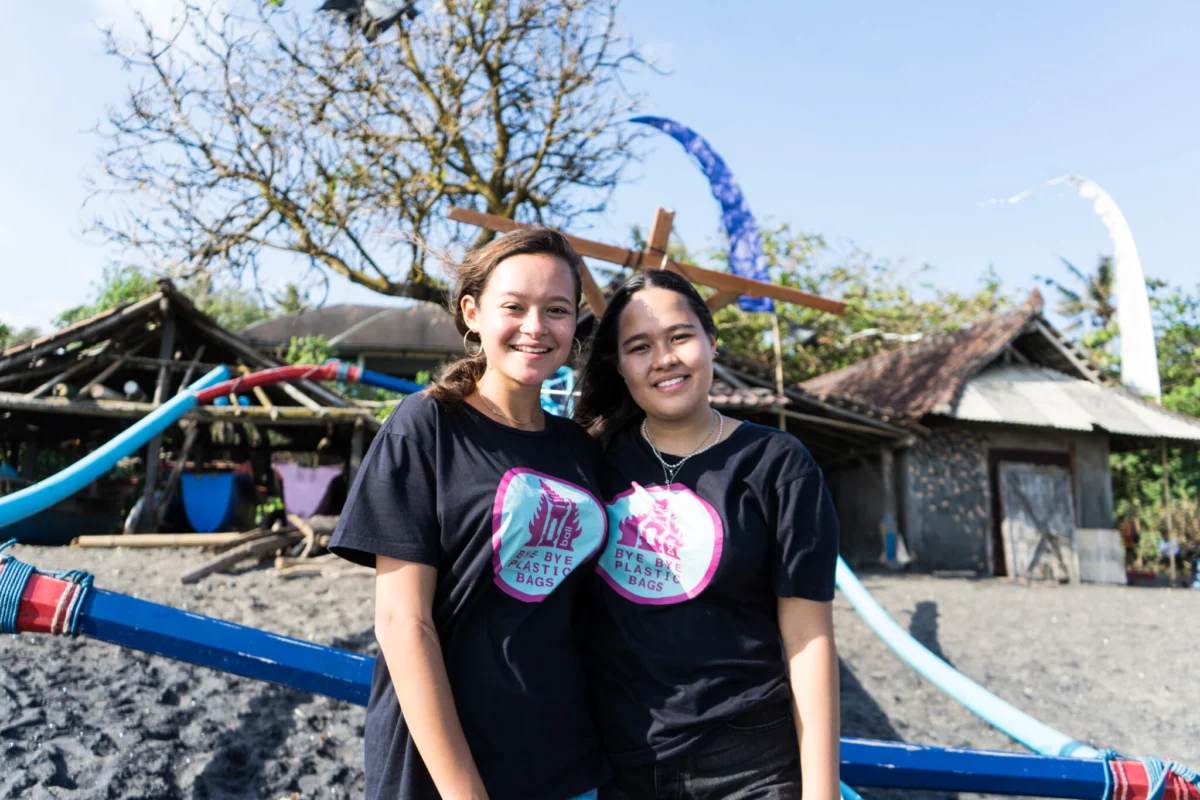
 Suro Senen
 Nila Kartika Wati






