

 Asro
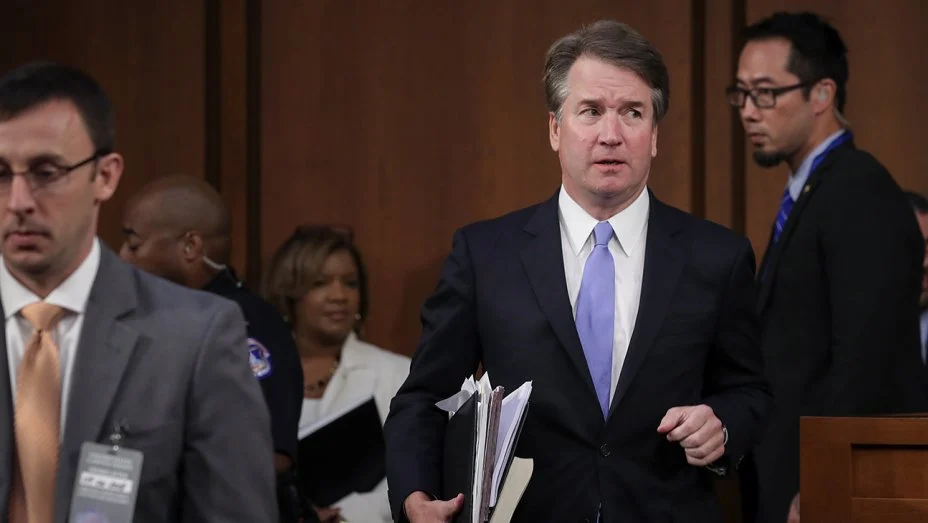
The past year has fundamentally altered the American cultural landscape. Since the #MeToo movement exploded into the global consciousness, the veil of silence surrounding sexual violence, harassment, and systemic abuse has been irrevocably torn. For the first time in decades, high-profile predators in entertainment, media, and corporate boardrooms have faced a semblance of accountability. Yet, as the dust settles on the turbulent confirmation of Supreme Court Justice Brett Kavanaugh, it has become painfully clear that cultural awareness alone is insufficient. The movement is now confronting a formidable barrier: the deeply entrenched, often shameless, political establishment.
The Limits of Cultural Shaming: A Political Reality Check
The #MeToo movement has excelled at leveraging social platforms to ostracize abusers and spark necessary, uncomfortable conversations. However, the confirmation of Brett Kavanaugh to the Supreme Court served as a stark reminder of the limitations of "shame" as a political tool. Despite a credible, detailed testimony from Dr. Christine Blasey Ford and a national outcry from survivors, Republican leadership—most notably President Donald Trump and Senate Majority Leader Mitch McConnell—doubled down on their support for the nominee.
Kavanaugh’s ascent was not an oversight; it was a deliberate assertion of power. For many within the current political hierarchy, the allegations against the nominee were not a deterrent but a rallying cry. This signaled to women and survivors across the nation that while the rules may have changed for Hollywood producers, the halls of power remain guarded by men who view accountability as an inconvenience to be navigated rather than a moral imperative.
Chronology of Inaction and Obstruction
To understand the current state of affairs, one must look at the systematic refusal of the current congressional majority to engage with the realities of sexual violence.
- Early 2018: Women senators from both sides of the aisle, recognizing the internal failures of Congress to handle harassment, pushed for a bipartisan overhaul of the legislative branch’s sexual harassment policies. They were met with months of delays, stalling, and bureaucratic obstruction from male Senate leadership.
- Mid-2018: The Violence Against Women Act (VAWA)—a cornerstone of federal support for survivors, providing funding for legal aid and prevention programs—faced a failure to be reauthorized. The gridlock reflected a broader pattern: legislation that protects the vulnerable is frequently sacrificed to partisan maneuverings.
- September–October 2018: The Kavanaugh confirmation process became a national litmus test. It forced the country to witness a judiciary selection process that ignored the systemic nature of sexual assault, instead framing the victim’s testimony as a political hit-job.
- The Current Moment: As midterm elections arrive, the movement faces a pivotal juncture: the transition from social advocacy to electoral mobilization.
Supporting Data: The High Cost of Silence
The statistics surrounding sexual violence are not merely numbers; they are indictments of a broken legal and social system. According to the National Sexual Violence Resource Center (NSVRC), one in five women will experience sexual assault in their lifetime. Yet, as noted by researchers at the University of Maryland, between 62% and 84% of these assaults remain unreported.
The reasons for this underreporting are institutional. Survivors have little confidence in a legal system that often forces them to relive their trauma, subjects them to aggressive cross-examination, and prioritizes the reputations of the accused over the safety of the accuser.
Furthermore, the intersection of domestic violence and gun policy creates a lethal environment. Every 16 hours, a woman in the United States is fatally shot by an intimate partner. Research from Everytown for Gun Safety confirms that the presence of a firearm in a domestic violence situation increases the risk of homicide by 500%. Despite this, lawmakers continue to stall on common-sense gun reform, often prioritizing the interests of lobbyist groups over the public safety of their constituents.
Implications: The Intersection of Policy and Survival
The failure to enact policy change has tangible, devastating consequences for women’s bodily autonomy and safety.
The Legislative Crisis
The refusal to reauthorize VAWA, the stalling of gun control measures, and the aggressive judicial push to strip away reproductive rights form a cohesive pattern of regression. When state legislatures attach "rape exceptions" to restrictive abortion bans, they are not protecting survivors; they are forcing them to navigate a hostile legal system to prove the validity of their assault before they can access healthcare. This is not governance; it is state-sanctioned reproductive violence.
The Power of Representation
Conversely, the progress made this year serves as a blueprint for what is possible. When women are in positions of authority, the legislative agenda changes. Throughout the Kavanaugh hearings, Senators Kamala Harris, Mazie Hirono, Amy Klobuchar, and Dianne Feinstein utilized their platforms to demand accountability and clarity. Their actions provided a stark contrast to their colleagues who sought to dismiss the allegations as a distraction.
Local Victories
The recall of Santa Clara County Judge Aaron Persky serves as the most potent evidence that #MeToo can be converted into electoral power. After Persky issued a lenient sentence to convicted assailant Brock Turner—prioritizing the "potential" of the perpetrator over the trauma of the victim—a grassroots, two-year, women-led movement successfully unseated him. This victory proved that when voters align their electoral choices with their values, the political establishment can be held accountable.
Moving Toward an Electoral Movement
If the #MeToo movement is to achieve sustainable, long-term change, it must move beyond social media discourse. It must become a decisive force at the ballot box. Relying on the mercy of politicians who owe their careers to the very systems that enable abuse is a failing strategy.
We are currently seeing a surge in legislative activity, with over 125 pieces of legislation addressing sexual harassment introduced across 32 states in 2018 alone. This momentum is the direct result of sustained pressure from survivors and their allies. However, this progress remains fragile. If the wrong officials are elected—those who view the empowerment of women as a threat to their hegemony—these gains can be reversed in a single legislative session.
The task for voters is clear: we must reject the "shameless" political culture that views the abuse of power as a partisan privilege. This involves:
- Vetting Candidates: Evaluating potential lawmakers not just on their rhetoric, but on their specific commitments to the Violence Against Women Act, reproductive healthcare access, and gun safety legislation.
- Supporting Pro-Survivor Lawmakers: Actively campaigning for and electing candidates—both women and men—who have demonstrated a commitment to protecting the rights and safety of survivors.
- Institutional Change: Recognizing that the judiciary is as important as the legislature. The lifetime appointments made today will dictate the legal recourse available to women for decades to come.
Conclusion: The Mandate for Change
The #MeToo movement has successfully changed the social cost of abuse, but it has yet to fully dismantle the political infrastructure that permits it. The upcoming elections represent a critical opportunity to move from protest to governance.
Survivors of sexual violence have been silenced, discredited, and ignored by the establishment for too long. The systemic issues of mass shootings, hate crimes, and sexual assault are not isolated events; they are symptoms of a political culture that prioritizes power over the fundamental human dignity of its citizens.
Transforming #MeToo into an inclusive, political movement is not merely a goal—it is a necessity for public safety and democratic integrity. The ballot box remains the most powerful tool for ensuring that our leaders represent the values of justice and accountability. By electing lawmakers who will vouch for the credibility of survivors and pass legislation that provides real legal recourse, we can begin to build a future where the power of the people finally outweighs the power of the few. The time for reliance on the good intentions of powerful men is over; the time for replacing them is now.


 Reynand Wu
 Jia Lissa






