
 Lina Irawan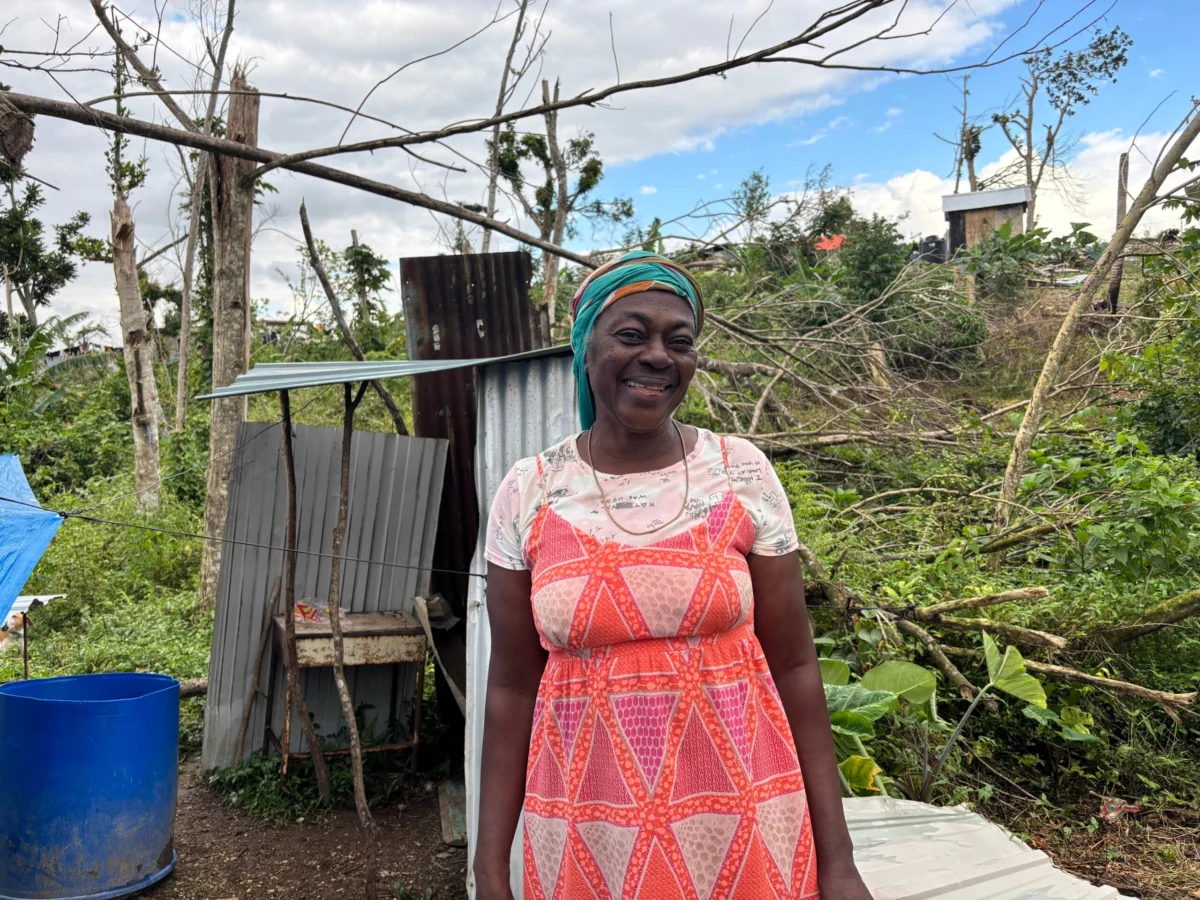
By [Your Name/Journalistic Desk]
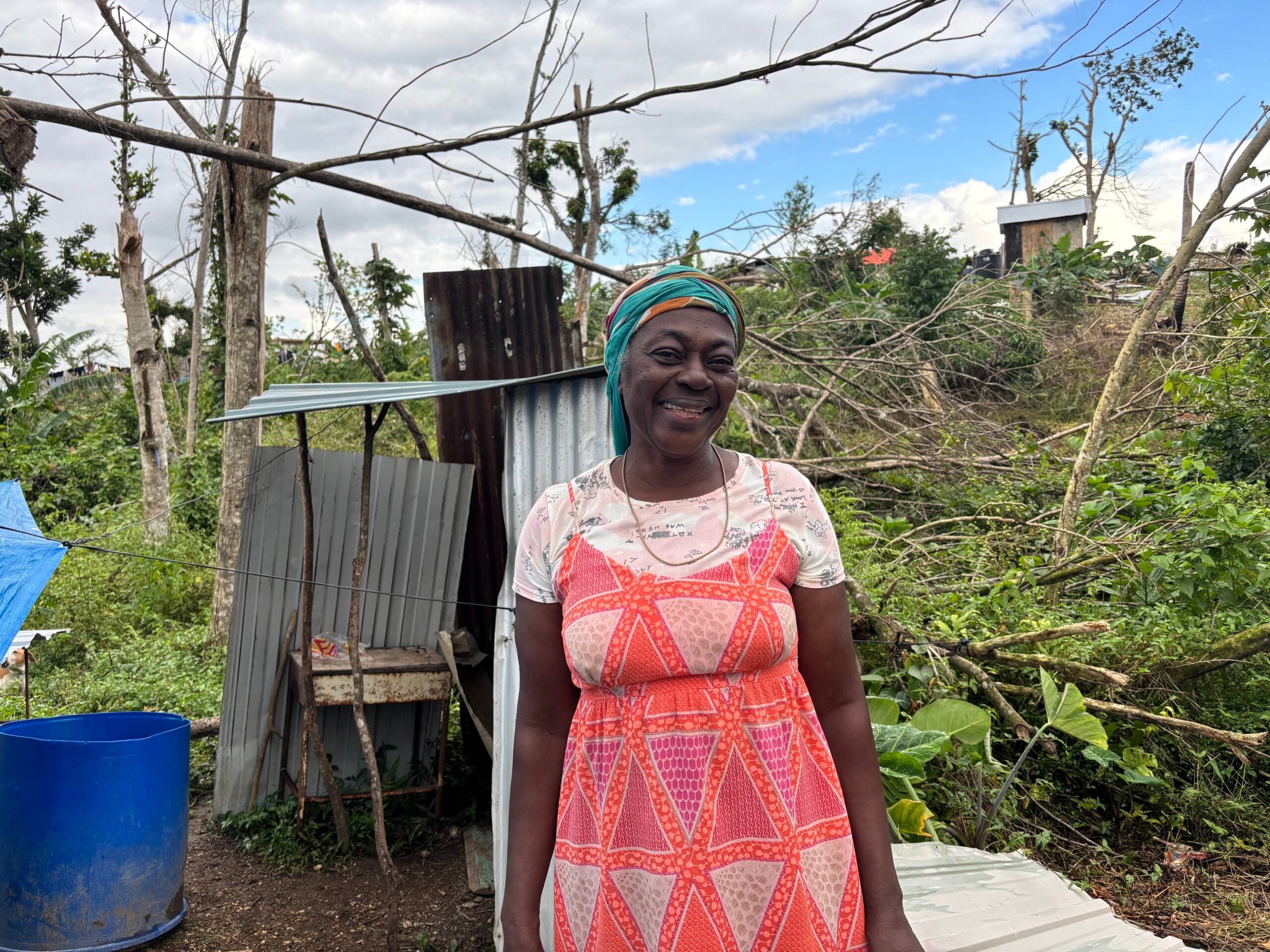
In the quiet, lush landscapes of Westmoreland Parish, Jamaica, the horizon remains scarred. Six months after Hurricane Melissa—a storm that shattered records and lives—the vibrant greenery of the countryside is only slowly beginning to return. For residents like Carrol Clemming, a single mother who watched her home vanish into the wind, the storm is not just a historical date; it is a permanent mark on the timeline of her life.
Hurricane Melissa, which made landfall in late October 2025, stands as the costliest natural disaster in Jamaican history. With damages estimated at an unprecedented US $8.8 billion by the World Bank and the Inter-American Development Bank, the storm did more than destroy infrastructure; it exposed the fragility of rural life in the face of a changing climate. Yet, amidst the rubble, a new model of disaster response is emerging—one that prioritizes local agency, dignity, and the transformative power of women-led organizations.
The Anatomy of a Record-Breaking Storm
The destruction wrought by Hurricane Melissa was comprehensive. Torrential rains, sustained winds that defied previous meteorological models, and massive, inland-sweeping storm surges crippled the island’s power grid, severed communication lines, and rendered major roadways impassable.
For many, the first sign of the catastrophe was not the wind, but the silence—the sudden disconnection from the outside world. As the storm intensified, the humanitarian toll began to mount. Clean water, food, and basic medical supplies became scarce as supply chains collapsed. In rural parishes, the situation was compounded by geography, leaving isolated communities to fend for themselves while waiting for aid that was delayed by damaged infrastructure.
A Chronology of Survival: The Night the Roof Lifted
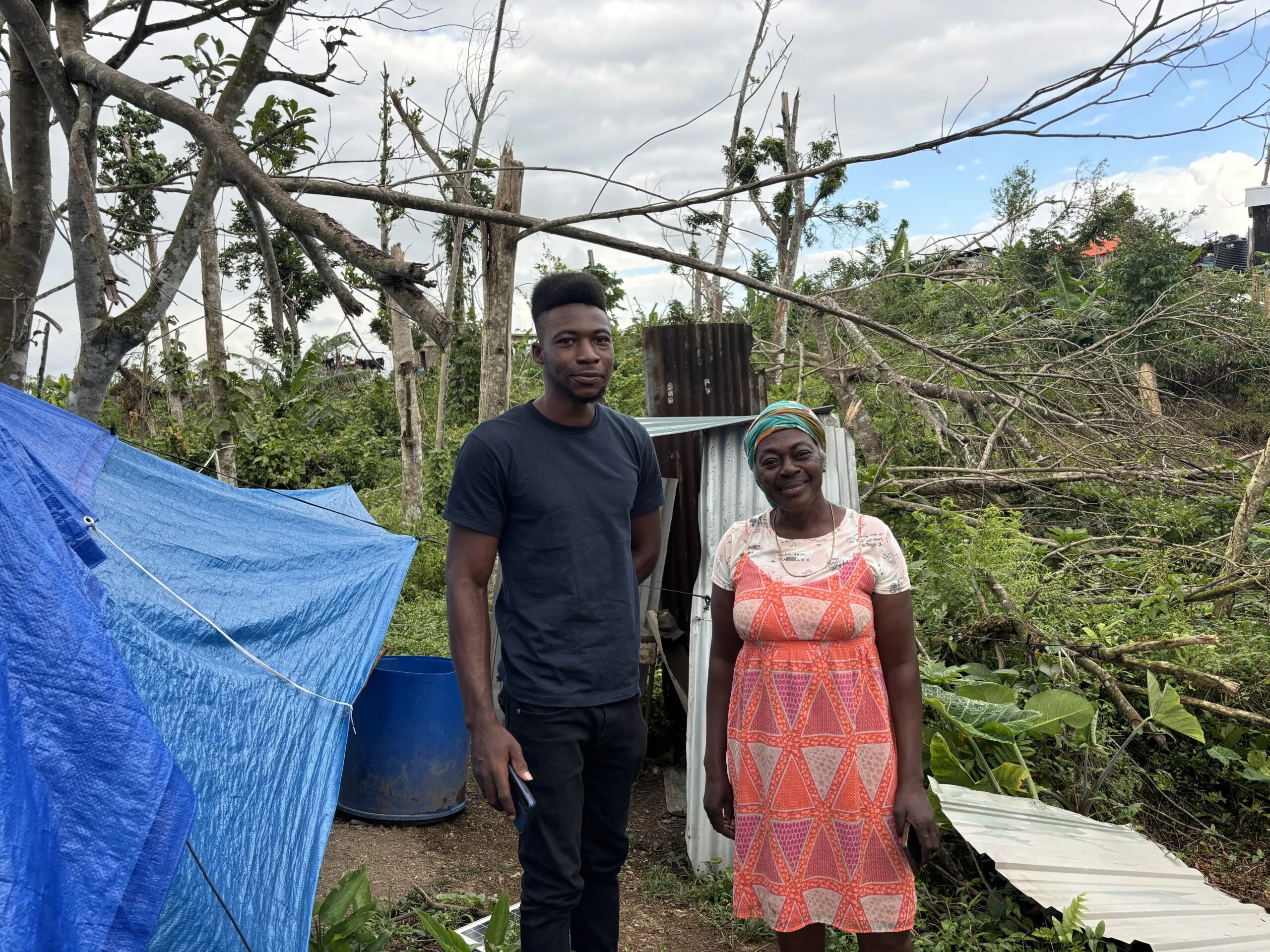
For Carrol Clemming, the reality of the storm was personal and immediate. Living in a modest one-room house with her adult son and 12-year-old grandson, she initially believed they could weather the gale by securing their belongings under tarpaulins.
"I experienced other hurricanes but not like this one," Clemming said. "This was much, much stronger. This one was far worse. This was terrible."
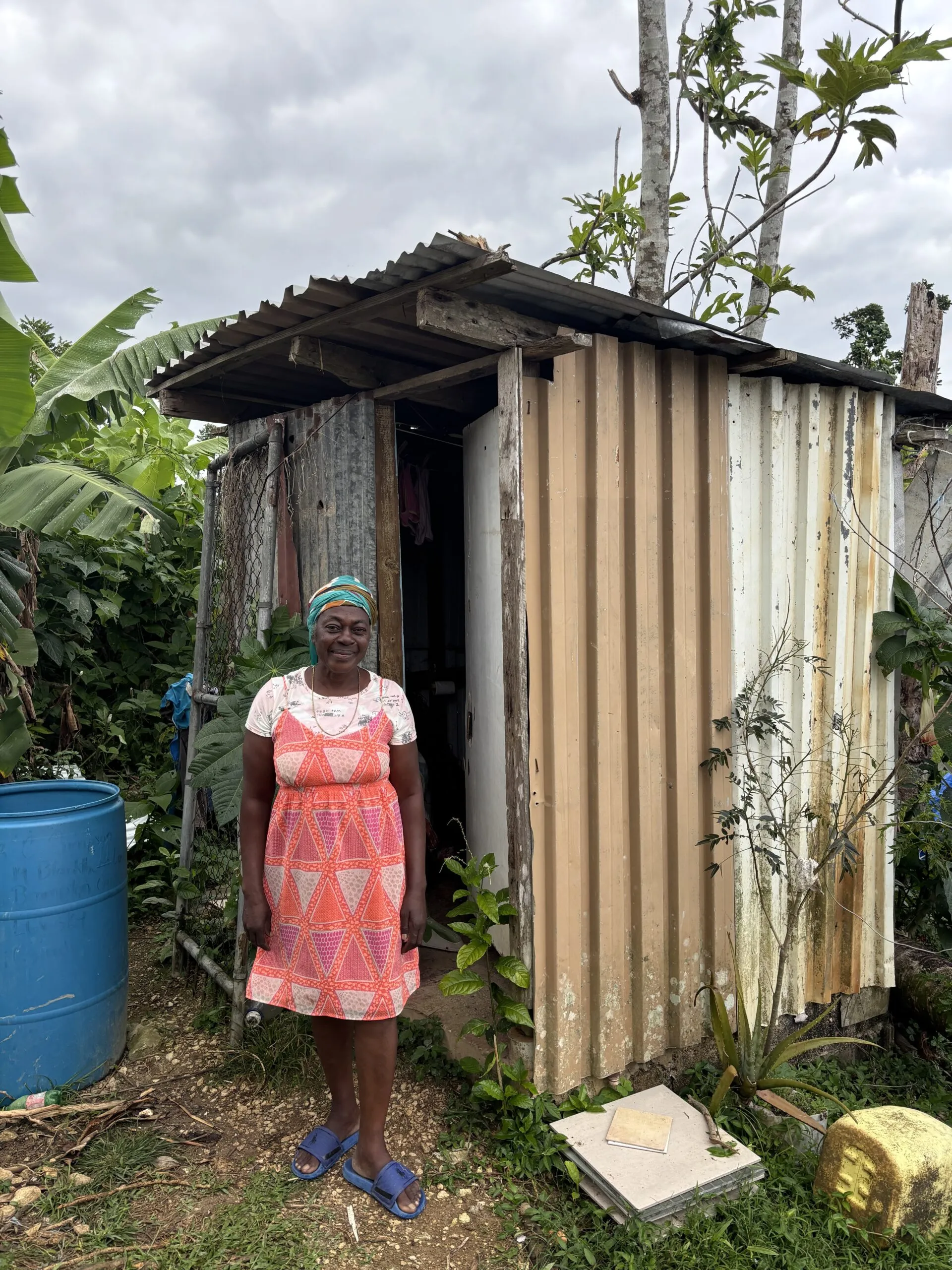
As the winds reached a deafening crescendo, the structural integrity of her home failed. The zinc roof began to peel away like paper, and the walls shuddered under the pressure. In a frantic bid for survival, the family retreated to an outdoor toilet facility—a small, concrete structure that offered the only semblance of shelter. For six agonizing hours, they huddled together, listening to the roar of the storm as their home was dismantled by the wind.
"While we were in there, we watched pieces of the house start to fly around," she recalled. "When we looked again, the whole house was flat and everything had started blowing away."
They remained in that makeshift sanctuary, drenched and terrified, until the winds finally subsided. When they emerged, they were barefoot, lacking even basic footwear, and had lost everything. Their return the following morning revealed a landscape rendered unrecognizable. "Everything was brown like it was roasted," Clemming said. "I saw trees, houses, everything flattened to the ground."
The Immediate Aftermath: Searching for Normalcy
The days following the storm were a blur of displacement. Clemming’s story is representative of the "invisible" victims—those whose lives were upended but who did not immediately make national headlines. In the absence of formal, government-led emergency housing, Clemming and her son turned to the only materials they could salvage from the debris: a discarded tent.
For more than three months, that tent was their home. They lived on the very spot where their house once stood, turning a site of tragedy into a site of persistence. Through ingenuity and the gathering of scrap wood and tarpaulins, they slowly upgraded their tent into a more stable, semi-permanent shelter.
Daily life, however, remains a struggle. The absence of electricity means reliance on solar-powered chargers and trips to local shops to keep communication devices functional. Cooking is done on an open fire fueled by storm debris, and water must be meticulously collected from rain runoff or purchased from limited local supplies. Despite the hardships, Clemming’s spirit remains unbroken. "I feel good because I’ve made the place like a real house," she says. "I’m not getting water leaking into the tent anymore, so I’m comfortable."
Supporting Data and the Scale of Impact
The economic impact of Hurricane Melissa, cited at $8.8 billion, is a staggering figure for a small island economy. However, the qualitative data—the loss of livelihoods, the disruption of education for children, and the long-term psychological trauma—paints an even bleaker picture.
Reports from the United Nations and local NGOs suggest that the disaster disproportionately affected women and the elderly, who often face greater barriers to accessing financial services and insurance. The collapse of the agricultural sector, which provides the backbone of rural economies, meant that families like Clemming’s lost not just their homes, but their ability to generate income.
The Shift in Response: Dignity and Agency
In the wake of previous disasters, aid delivery in Jamaica often followed a top-down approach: international organizations would ship supplies based on perceived needs, which often failed to align with the realities on the ground.
Hurricane Melissa marked a pivot. CARE and local partners, most notably the Jamaica Network of Rural Women Producers (JNRWP), recognized that the most effective response is one that is pre-positioned and managed by those who understand the terrain best.
"Immediately after Melissa, we didn’t have to wait for a shipping container," explains Tamisha Lee, president of the JNRWP. "The partnership with CARE ensured that we had the cash ready to provide food and water within hours."
This transition toward "cash-first" aid has been transformative. By providing direct cash transfers, aid organizations allowed families to prioritize their own specific needs—whether that meant medicine, school supplies, or seeds to replant gardens. As Lee puts it, "The biggest change is dignity and choice. We have moved from being passive recipients of aid to active managers of our own recovery."
Implications: A Roadmap for the Future
As Jamaica looks toward the future, the lessons from Hurricane Melissa are being woven into a new framework for national disaster preparedness. The goal is no longer merely to survive, but to build resilience into the very fabric of rural life.
1. Decentralization of Power
The success of the JNRWP in managing recovery funds proves that local organizations are more agile than central government agencies or international bodies in the initial hours of a crisis. Future strategies involve institutionalizing these partnerships so that funding is pre-positioned and digital financial tools are ready to deploy at a moment’s notice.
2. Emotional and Social Infrastructure
Recovery is not just about bricks and mortar. The trauma of losing one’s home and community is a silent pandemic that follows every major hurricane. There is an increasing demand for sustained, long-term psychological support services that reach into the most remote parishes, ensuring that the mental health of survivors is treated with the same urgency as their physical needs.
3. Climate-Resilient Infrastructure
The rebuilding process is an opportunity to improve. Programs are currently underway to train local builders in wind-resistant construction techniques, using better materials to ensure that when the next storm hits—and it will—homes like Carrol Clemming’s are equipped to withstand the onslaught.
Conclusion: A Vision for a Stronger Jamaica
The narrative of post-hurricane Jamaica is often one of pity, but for those on the ground, it is one of profound strength. Tamisha Lee and the women of the JNRWP are not just rebuilding what was lost; they are architecting a new society.
"We aren’t just rebuilding what was there before; we are building a Jamaica where rural women are the strongest link," Lee says.
For Carrol Clemming, the journey is far from over. She continues to work on her home, finding hope in the small improvements she makes each day. She remains deeply grateful for the help she received from strangers—people who, through the mechanisms of modern humanitarian aid, chose to invest in her dignity.
"The situation is still very bad, but it could have been worse," she reflects. "Nobody was prepared for such a storm as this until it happened. But we are still here."
As the world continues to grapple with the realities of a changing climate, the story of Jamaica’s recovery serves as a critical blueprint. It reminds us that while storms may be inevitable, the devastation that follows is not. By investing in local leadership, prioritizing individual dignity, and preparing for the unthinkable, we can ensure that the next time a storm hits, the strongest link in the chain is the person standing in the middle of it.

 Rifan Muazin
 Asep Darmawan