




 Basiran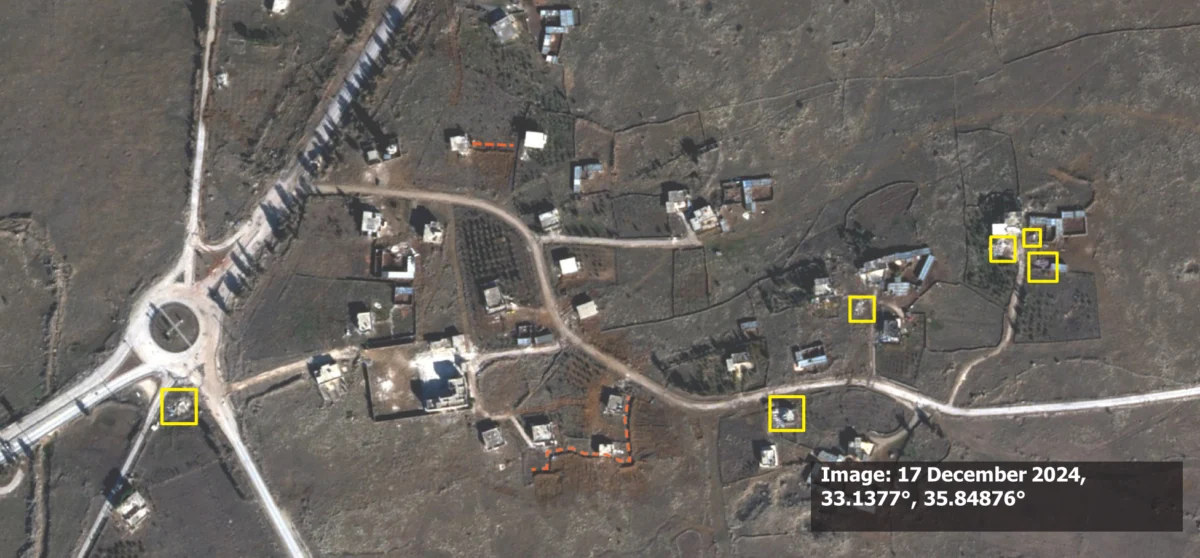
GENEVA/DAMASCUS – A new investigation by Amnesty International has brought to light a systematic pattern of destruction of civilian infrastructure in the Quneitra governorate of southern Syria. According to the human rights organization, Israeli military forces have engaged in the deliberate, unjustified demolition of civilian homes and agricultural lands since December 2024. The findings suggest that these actions, which have displaced countless families, lack the "absolute military necessity" required under international law and should be investigated as war crimes.
The report details a troubling expansion of Israeli military presence into Syrian territory, where forces have established a self-declared "security buffer zone." This expansion, which involves the physical erasure of villages, marks a significant escalation in regional instability and raises urgent questions regarding the protection of civilians in post-conflict zones.
The Chronology of Displacement
The current wave of destruction began on 8 December 2024, a pivotal date that marked the collapse of the Syrian government formerly led by Bashar al-Assad. Capitalizing on the sudden vacuum of authority, Israeli military units moved from the Golan Heights—territory Israel has occupied since 1967—into the UN-demilitarized zone within the Quneitra governorate.
December 2024: Initial Incursions
The occupation of villages in the Quneitra region was swift. Residents reported that on the morning of 8 December, Israeli forces initiated a series of home raids. In the village of Al-Hamidiya, women and children were forcibly removed from their homes at approximately 11:00 am, while men were detained for interrogation. Shortly thereafter, residents were ordered to evacuate their properties entirely.
Early 2025: The Establishment of a "Buffer Zone"
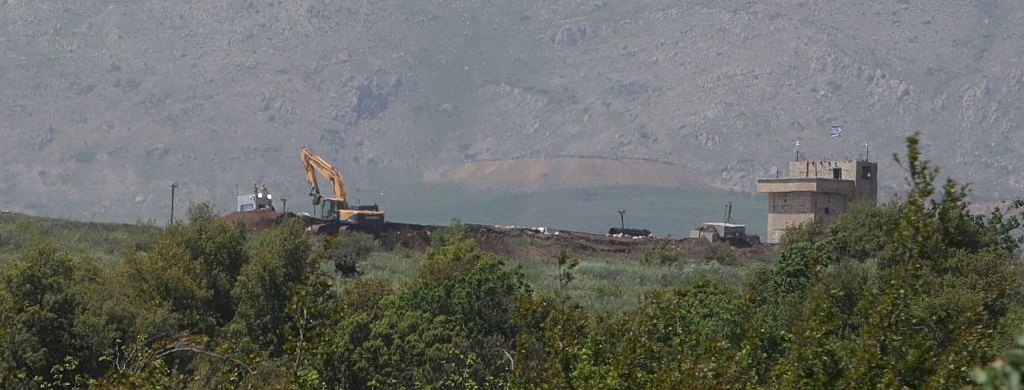
By January 2025, the intent behind the incursions became clear through the construction of new military infrastructure. Satellite imagery analyzed by Amnesty International’s Evidence Lab confirmed the rapid installation of nine military bases across the Quneitra and Daraa governorates. These bases, often situated in close proximity to, or directly on top of, the ruins of civilian homes, suggest a long-term strategic goal rather than a temporary defensive maneuver.
Mid-2025: Continued Demolitions
The pattern of destruction continued well into the summer of 2025. In Al-Hamidiya, witnesses described bulldozers operating under the cover of night on 16 June 2025, systematically leveling homes and surrounding gardens. Residents who had hoped to return to their ancestral properties found nothing but flattened rubble and churned earth.
Supporting Data and Forensic Evidence
Amnesty International’s findings are underpinned by a rigorous synthesis of on-the-ground testimonies, media analysis, and high-resolution satellite imagery.
Satellite Imagery Analysis
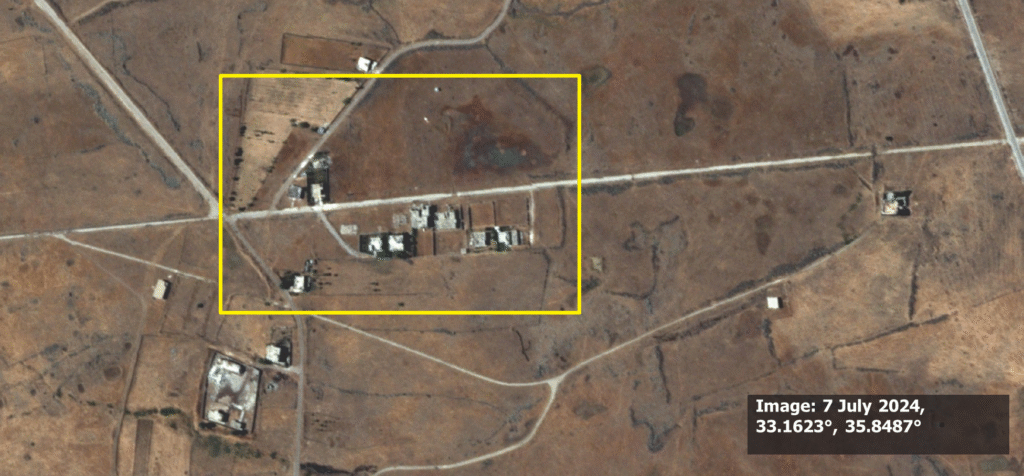
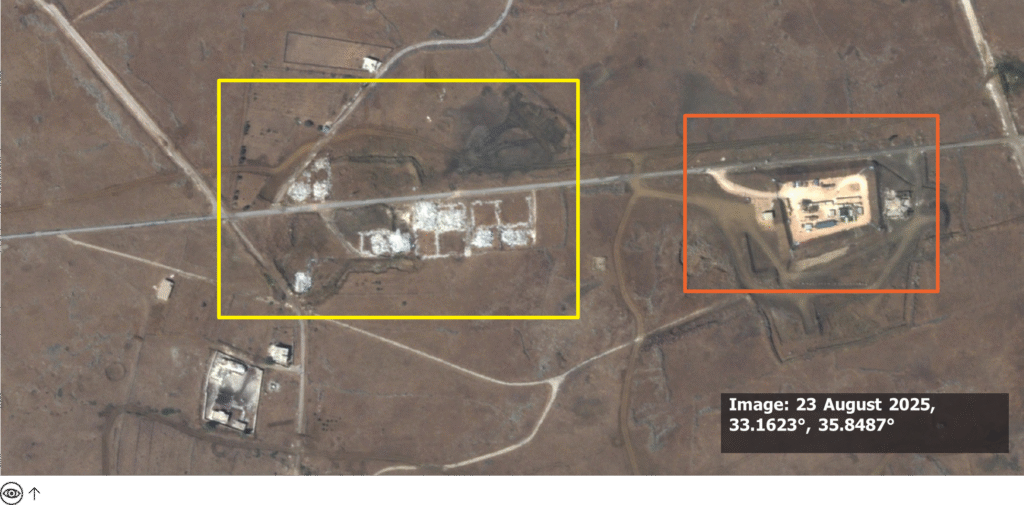
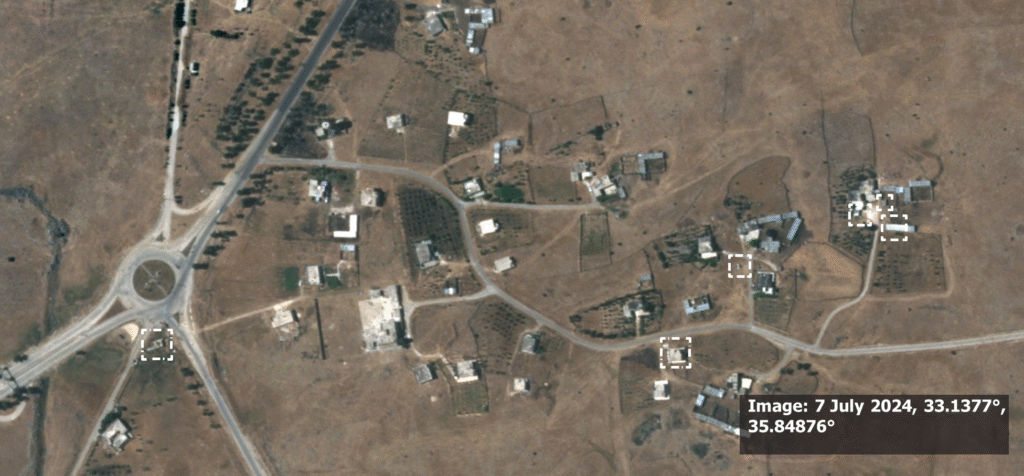
The Evidence Lab reviewed satellite data for multiple sites across the governorate. In Al-Hamidiya, images from July 2024—prior to the incursions—show a thriving village. By August 2025, the same coordinates reveal the complete erasure of 14 structures and their surrounding boundary walls, with a new Israeli military base positioned less than 300 meters away.
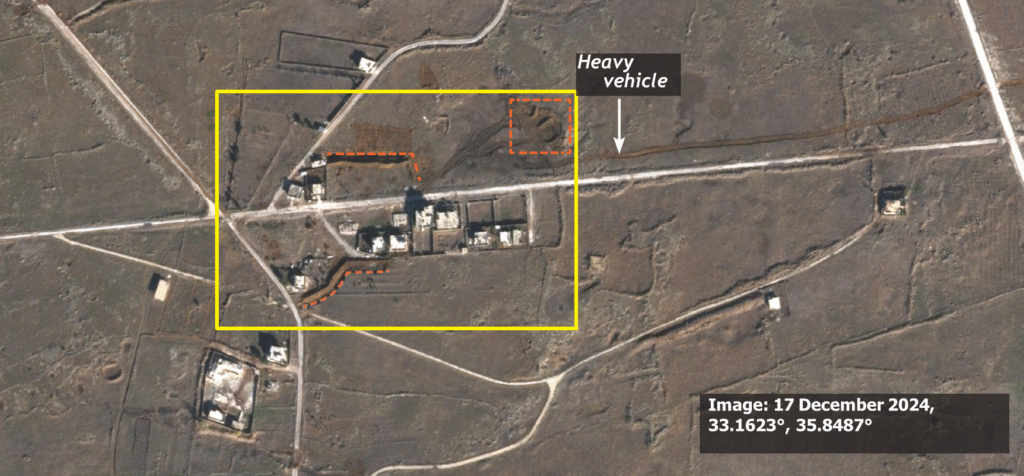
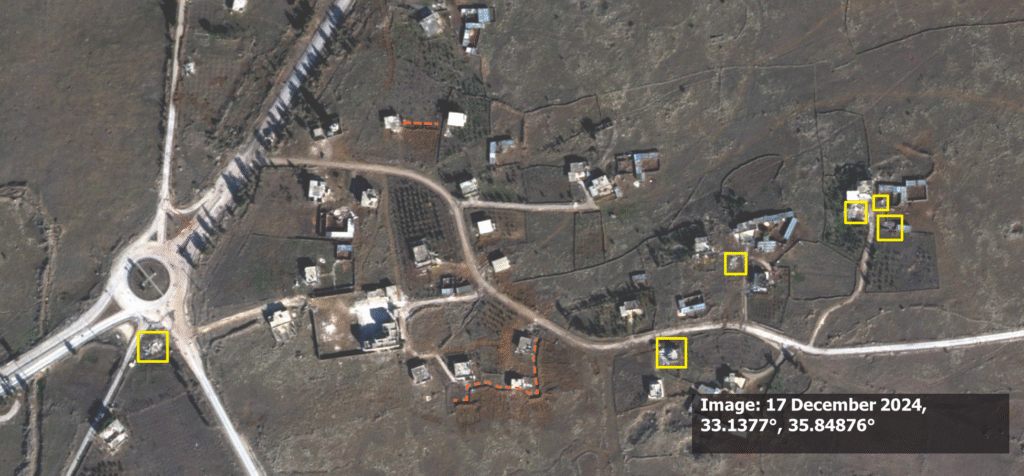
Similar documentation was collected for the villages of Rassim al-Rawadi and Al-Rafeed. In Rassim al-Rawadi, imagery from 17 December 2024 highlights the destruction of six structures and the removal of orchards that had served as the lifeblood of the local economy. In Al-Rafeed, the destruction was similarly absolute; one witness described the process as turning a home into "sand in minutes."
Witness Accounts
Amnesty International conducted in-depth interviews with eight residents of the Quneitra governorate, including those who lost their homes, those who witnessed the destruction of neighbors’ properties, and local officials. A recurring theme in these testimonies is the absence of any active hostilities in the area at the time of the demolitions.
"My husband died during the conflict," one resident shared, reflecting on her destroyed home. "He built the house brick by brick. We had a small garden… it was enough to save us money on purchasing. My house meant a lot to me and my son."
The accounts are corroborated by the fact that many of these residents had only recently returned to their villages to rebuild after the decade-long Syrian civil war, only to face a second, more permanent displacement at the hands of the Israeli military.
The Legal Framework: International Humanitarian Law
The core of Amnesty International’s argument rests on the Fourth Geneva Convention, which governs the behavior of occupying powers.
The "Absolute Military Necessity" Standard
Article 53 of the Fourth Geneva Convention strictly prohibits the destruction of real or personal property belonging to individuals or groups, except where such destruction is "rendered absolutely necessary by military operations."
Legal experts emphasize that this standard is narrow. It does not allow for the destruction of property based on:
- Broad, abstract strategic goals.
- Preventative security measures against hypothetical future threats.
- The desire to create "buffer zones" for political or territorial consolidation.
"The absolute military necessity standard requires that destruction be materially indispensable," the report notes. "That is, no other option must be available in the conduct of immediate combat."
Because there were no active hostilities in these villages at the time of the demolitions, Amnesty International concludes that the actions are not just illegal, but constitute "grave breaches" of the Geneva Convention, which are classified as war crimes under Article 147.
Official Responses and Strategic Claims
Israeli officials have maintained a consistent stance regarding their operations in Syria. The government argues that its presence is a mandatory response to regional security threats, specifically citing the influence of Hezbollah, Iranian-linked factions, and the need to neutralize weapons caches.
In April 2026, the Israeli Prime Minister formally announced the establishment of a "security buffer zone" marked by a "yellow line." In his statement, he claimed that this zone was essential to "remove the near threat of invasion and anti-tank fire." He further confirmed that the Israel Defense Forces (IDF) would remain stationed at this line to "defend against the near threat."
However, the reality of the "buffer zone" includes the displacement of innocent civilians and the destruction of their livelihoods. When asked by Amnesty International to define the criteria used for property destruction and how they reconciled these actions with the "absolute military necessity" standard, Israeli authorities provided no response.
Implications for the Future
The situation in southern Syria represents a concerning evolution of military tactics. The use of bulldozers to clear entire swaths of territory for the sake of a "buffer zone" is a practice previously documented in Gaza and southern Lebanon. This creates a dangerous precedent where civilian property is viewed as an expendable obstacle in the path of military expansionism.
The Human Cost
For the people of Quneitra, the implications are devastating. They have been deprived of their homes without compensation, alternative shelter, or a clear pathway to return. This creates a state of perpetual displacement, further exacerbating the humanitarian crisis in a region that has known little peace for over a decade.
A Call for Accountability
Kristine Beckerle, Amnesty International’s Deputy Regional Director for the Middle East and North Africa, has issued a stark warning to the international community:
"Israel’s pattern of destroying civilian homes in Gaza, southern Lebanon, and southern Syria has been carried out with total impunity, displacing and shattering the lives of countless families across the region. The international community must unequivocally condemn these actions and exert real pressure to bring these recurring violations to an end."
The organization is calling for:
- Independent Investigations: An immediate, impartial inquiry into the destruction of civilian property in the Quneitra governorate.
- Reparations: A commitment from Israel to provide comprehensive reparations tailored to the specific harms suffered by the displaced families.
- Accountability: Holding those responsible for these grave breaches of international law to account, ensuring that the law of occupation is not used as a tool for permanent territorial annexation.
As the "yellow line" remains in place and the military bases continue to operate, the plight of the Syrian villagers remains a testament to the fragile state of international humanitarian protections. Without significant diplomatic intervention, the systematic removal of civilian life from these border areas threatens to become a permanent feature of the post-conflict landscape in southern Syria.


 Rifan Muazin
 Asep Darmawan