



 Evan Lee Salim
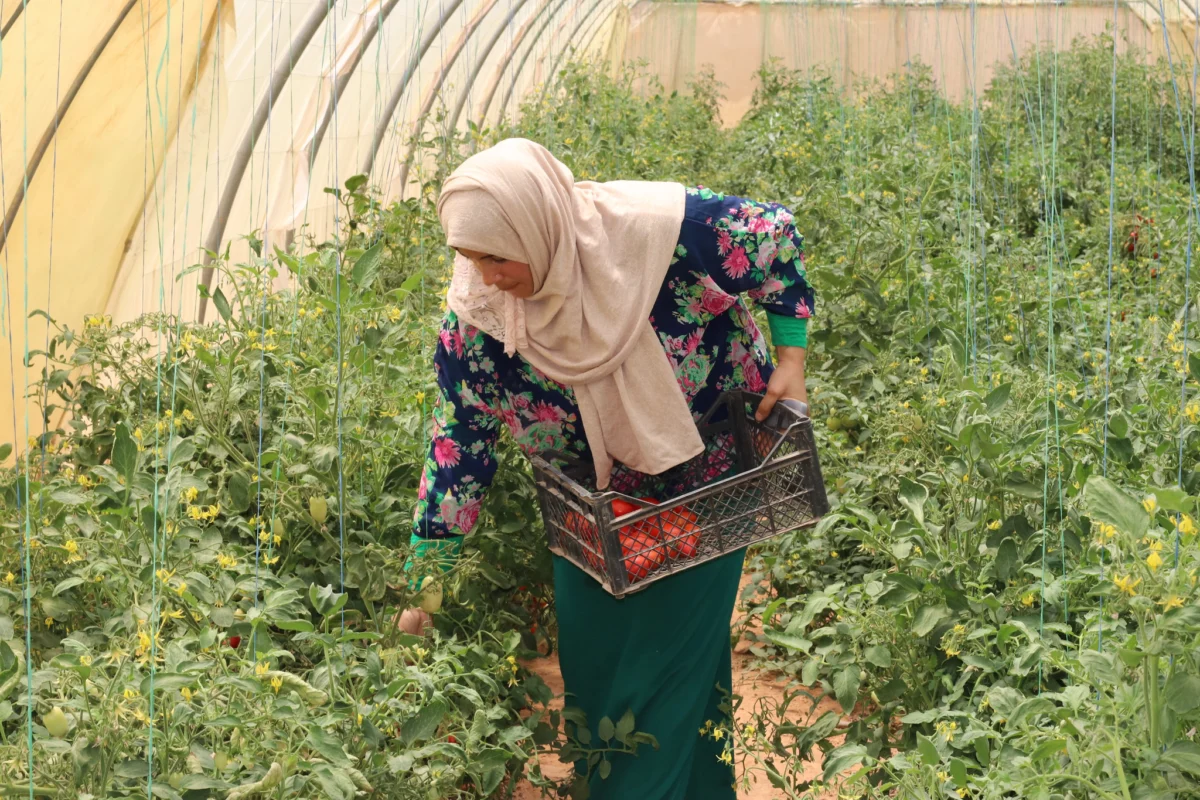
Jordan’s agricultural sector stands at a critical juncture. Characterized by its arid climate, scarce water resources, and fragile ecosystems, the Kingdom has historically relied on ingenuity and resilience to maintain food security. As global agricultural practices shift toward environmental stewardship, Jordan is increasingly looking toward innovative, nature-based solutions to protect its crops. Central to this evolution is the rising prominence of biopesticides—a sophisticated toolset designed to mitigate pest pressure while safeguarding the delicate balance of the nation’s soil, water, and biodiversity.
The Paradigm Shift: Understanding the Role of Biopesticides
Biopesticides represent a transformative approach to crop protection. Unlike conventional synthetic pesticides, which often function as broad-spectrum eradicators, biopesticides are derived from natural materials, including microorganisms (such as bacteria, fungi, and viruses), plant extracts, and naturally occurring biochemicals.
Their primary advantage lies in their specificity. By targeting particular pests, they minimize collateral damage to beneficial insects, such as pollinators and natural predators, which are essential for ecosystem health. However, experts emphasize that biopesticides are not "silver bullets." Their true value is realized only when they are integrated into robust Integrated Pest Management (IPM) programs. IPM is a holistic decision-making process that combines cultural, biological, and conventional tools to manage pests economically while reducing risks to human health and the environment.
By diversifying the arsenal available to farmers, biopesticides serve as a vital component in resistance management—preventing pests from developing immunity to standard treatments—and enhancing the overall productivity of agricultural systems.
Chronology of Progress: A Season of Capacity Building (Q4 2025)
The integration of these tools into Jordanian agriculture has not occurred in a vacuum. It is the result of a deliberate, multi-stakeholder effort spearheaded by CropLife Africa Middle East (CLAME), in close coordination with the Jordanian Ministry of Agriculture (MoA), the Jordanian Association of Agricultural Inputs Traders and Producers (AMATPA), and a cadre of national academic and scientific experts.
Between November and December 2025, this coalition launched an intensive series of technical workshops aimed at bridging the gap between theoretical knowledge and field application. The training program, which spanned key agricultural hubs including Amman, Deir Alla, and Ghour Al-Mazraah, reached over 140 agricultural professionals.
Key Milestones in the Training Series:
- November 2025: Initial workshops focused on regulatory frameworks and the identification of regional pest pressures, setting the foundation for registration specialists and surveillance officers.
- Early December 2025: Technical deep-dives were conducted in Deir Alla, focusing on the specific challenges of valley-floor agriculture and the efficacy of microbial-based biopesticides.
- Late December 2025: The final sessions in Ghour Al-Mazraah addressed the practical integration of bio-solutions into the daily routines of extension engineers and private-sector consultants, ensuring that knowledge reaches the "last mile"—the farmers themselves.
Supporting Data and Stakeholder Profiles
The success of these initiatives rests on the diversity of the participants. The 140-plus professionals trained represent a cross-section of the agricultural value chain, ensuring that the shift toward biopesticides is supported by all relevant sectors.
Stakeholder Distribution:
- Extension Engineers: 35% – Essential for translating complex technical data into actionable advice for smallholder farmers.
- Regulatory & Surveillance Officers: 25% – Critical for ensuring the safety, quality, and efficacy of biopesticide products entering the Jordanian market.
- Private Sector Representatives: 20% – Instrumental in the supply chain and commercial availability of sustainable inputs.
- Researchers & Lab Personnel: 20% – Providing the data-driven validation necessary to support local adoption.
This multidisciplinary approach ensures that when a farmer chooses to adopt a biopesticide, they are supported by a network of informed advisors, tested regulatory standards, and a transparent market.
Official Perspectives: A Unified Commitment to Innovation
The collaboration between the Jordanian Ministry of Agriculture and international bodies like CLAME reflects a shared national vision. During the closing sessions of the 2025 workshops, government representatives highlighted that Jordan’s commitment to sustainable agriculture is not merely an environmental preference but an economic necessity.
"The active engagement of government institutions alongside academia and the private sector demonstrates a mature, unified commitment to innovation," noted one project lead. "We are moving beyond the era of ‘one-size-fits-all’ chemical solutions. Our focus is now on precision, sustainability, and long-term soil health."
The Ministry of Agriculture has signaled its intent to streamline the registration processes for innovative bio-solutions, recognizing that complex regulatory hurdles are often the greatest barrier to the adoption of green technology. By fostering a transparent, science-based dialogue, the government aims to encourage local producers to invest in biopesticide development, thereby reducing reliance on costly, imported chemical alternatives.
Implications for the Future of Jordanian Agriculture
The implications of this shift are profound, impacting everything from export quality to environmental sustainability.
1. Enhanced Export Competitiveness
Jordanian produce, particularly fruits and vegetables, is a staple of regional and international markets. As global consumers—particularly in the European Union—demand lower chemical residue limits on imported produce, the adoption of biopesticides provides a clear competitive advantage. Jordanian farmers who utilize IPM can market their products as "sustainably grown," opening doors to high-value markets that prioritize environmental certification.
2. Preserving Natural Capital
Water scarcity is the defining challenge of the Jordanian landscape. Traditional chemical pesticides can, if mismanaged, contribute to soil degradation and water contamination. Biopesticides, being largely biodegradable and targeted, pose significantly lower risks to groundwater quality. This helps maintain the fertility of the soil for future generations, ensuring that Jordan’s limited arable land remains productive.
3. Strengthening Smallholder Resilience
Smallholder farmers are often the most vulnerable to market shocks and pest outbreaks. By integrating biopesticides into their IPM strategies, these farmers can reduce their expenditure on expensive, imported synthetic chemicals. Furthermore, by fostering a healthier biological ecosystem on their farms, they often see a reduction in secondary pest outbreaks, leading to more predictable yields and improved household incomes.
The Road Ahead: Challenges and Strategic Imperatives
While the momentum is palpable, the path to widespread adoption is not without obstacles. Transitioning from traditional methods to an IPM-based system requires a steep learning curve. Biopesticides often require more precise timing and a deeper understanding of pest life cycles than conventional sprays.
To overcome these challenges, the strategy for the coming years must focus on three pillars:
- Continuous Education: Scaling the workshops to reach thousands of farmers, not just the professionals who serve them.
- Technical Infrastructure: Investing in local laboratories that can assess the efficacy of biopesticides under Jordan’s specific climate conditions, rather than relying solely on international trial data.
- Policy Support: Developing financial incentives, such as subsidies or tax breaks for farmers and retailers who prioritize sustainable inputs.
Conclusion: A Model for the Region
The progress made in late 2025 represents more than just a series of training workshops; it represents a fundamental change in the philosophy of Jordanian agriculture. By embracing the synergy between science, industry, and traditional wisdom, Jordan is positioning itself as a regional leader in sustainable development.
The road ahead will require patience and consistent investment, but the foundation is firmly in place. As Jordan continues to refine its agricultural practices, the shift toward biopesticides will serve as a cornerstone of its strategy to build a resilient, productive, and environmentally conscious agricultural sector capable of feeding the nation and thriving in an increasingly climate-challenged world. Through this commitment, Jordan is not only securing its own food future but is also providing a blueprint for other nations in the Middle East to follow.


 Asep Darmawan
 Lina Irawan






