 Suro Senen

BOISE, ID — In the shadow of the Boise Foothills and the vibrant murals of Freak Alley, a quiet economic revolution is taking place. While Boise is nationally recognized for its outdoor recreation and quirky landmarks—such as the iconic Big Potato Hotel—it is increasingly becoming a regional leader in the circular economy. A network of more than a dozen major thrift and consignment institutions has transformed the city into a hub for sustainable commerce, directly addressing a looming local landfill crisis while providing a critical financial backbone for social services ranging from youth trauma therapy to homelessness prevention.
The Main Facts: A Dual Mission of Sustainability and Philanthropy
The secondhand market in Boise, Idaho, has evolved far beyond the traditional "junk shop" model. Today, the city’s thrift landscape is a sophisticated ecosystem of non-profit retailers, high-end vintage curators, and specialized equipment consignors. This sector serves two primary functions: environmental preservation and social welfare.

As the "City of Trees" grapples with rapid population growth, the pressure on local infrastructure has reached a critical juncture. The Ada County Landfill, originally engineered in 2005 to last a century, is now projected to reach capacity by 2068—more than three decades ahead of schedule. Local officials and environmental advocates point to textile and furniture waste as significant contributors to this acceleration.
In response, Boise’s thrift stores have positioned themselves as the first line of defense. Organizations like the Idaho Youth Ranch, St. Vincent de Paul, and the Second Chance Building Materials Center are diverting thousands of tons of material from the waste stream annually. Simultaneously, these businesses generate millions of dollars in revenue that stay within the Treasure Valley to fund job training, addiction recovery, and emergency housing.

Chronology: From Charity Racks to Specialized Consignment
The evolution of Boise’s secondhand scene follows the trajectory of the city’s own growth from a quiet state capital to a bustling metropolitan center.
The Foundation (1950s–1990s)
The early scene was dominated by traditional faith-based and community-service organizations. The Idaho Youth Ranch and St. Vincent de Paul established the "charity shop" model, focusing on high-volume donations to fund basic social needs. For decades, these stores served as the primary resource for low-income families and bargain hunters.
The Rise of Specialization (2000s–2015)
As Boise’s outdoor culture exploded, the market demanded more than just general apparel. Score Outdoors emerged as a pivotal player, recognizing that the high cost of entry for skiing, mountain biking, and camping was a barrier to many residents. By creating a professionalized consignment model for outdoor gear, they bridged the gap between sustainability and the city’s "adventure-first" identity. During this same period, Repeat Boutique and Serendipity Boutique refined the clothing market, moving toward curated consignment that catered to fashion-conscious residents looking to exit the "fast fashion" cycle.
The Modern Circular Era (2016–Present)
The current era is defined by "niche circularity." Boise Vintage has tapped into the mid-century modern interior design trend, while Second Chance Building Materials Center has revolutionized the construction sector by salvaging architectural elements. The market has become so robust that national franchises like Uptown Cheapskate have integrated into the local fabric, combining corporate scale with local charitable partnerships.

Supporting Data: The Environmental and Economic Cost of Waste
The necessity of Boise’s thrift economy is underscored by sobering environmental statistics. According to data from the Environmental Protection Agency (EPA), textiles made up approximately 7.7% of all landfill waste in recent years, with a dismal national recycling rate of only 13% for clothing and footwear.
In Ada County, the statistics are even more localized. Forecasts for 2023 indicated that the county was on track to produce more than one ton of trash for every resident. By shopping secondhand, Boise residents are actively extending the lifecycle of consumer goods, which significantly reduces the carbon footprint associated with manufacturing and transporting new products.

Economically, the consignment model provides a "circular stimulus" for the local population. Stores like Score Outdoors offer sellers up to 75% of the final sale price on high-ticket items, returning capital directly into the pockets of residents. Meanwhile, the Savers Club and other reward programs at non-profit stores like St. Vincent de Paul ensure that the most vulnerable populations can access essential goods at a fraction of retail costs.
Official Responses and Mission-Driven Retail
The leaders of Boise’s secondhand institutions emphasize that their "products" are secondary to their social missions.

"Every visit helps transform the pain of childhood trauma into healing, hope, and resilience," states the Idaho Youth Ranch. With six locations in Boise alone, the organization uses thrift proceeds to fund the Hays House shelter, residential treatment facilities, and adoption services. Their "outlet bins" store represents the final stage of the circular process, ensuring that even high-volume goods find a home before being considered for textile recycling.
Similarly, Second Chance Building Materials Center serves as a dual-purpose entity. Operated by the non-profit SHIP (Supportive Housing and Innovative Partnerships), the store functions as an employment program for individuals in recovery from substance abuse. "Your secondhand kitchen cabinets also help someone get back on their feet," says a SHIP representative. The center sells lumber, windows, and appliances at 50% or less of retail value, making sustainable home renovation accessible while providing vocational training for those re-entering the workforce.

Deseret Industries, run by The Church of Jesus Christ of Latter-day Saints, mirrors this focus on human capital. Their Boise facility on Fairview Avenue serves as a job-training hub, with 2024 data showing nearly 10,000 community grants issued through their network to support local education and work-readiness programs.
Implications: The Future of the "Boise Way"
The success of these 13 primary thrift institutions—including outliers like Salvage Sisters & Son, who specialize in rustic architectural upcycling—suggests a permanent shift in Boise’s consumer behavior. The implications of this shift are three-fold:
1. Urban Resilience and Infrastructure
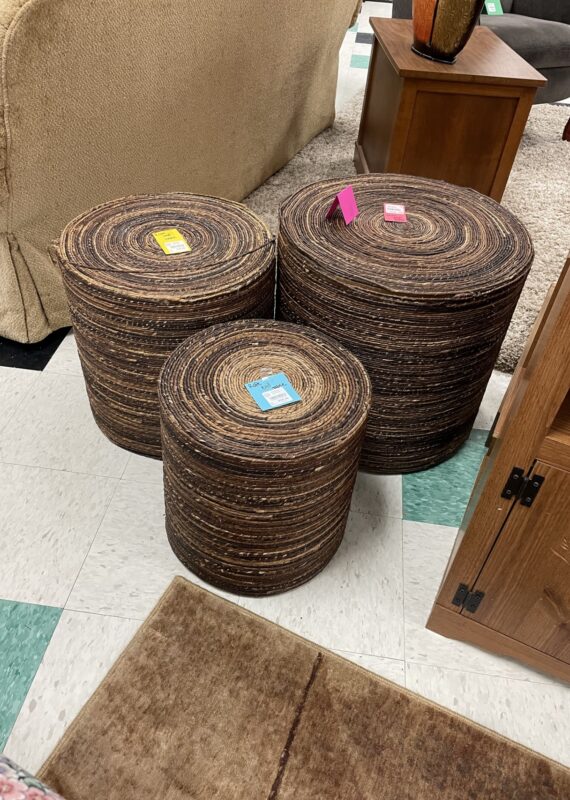
By diverting furniture and building materials, stores like Thriftology and Second Chance are effectively acting as an unofficial department of waste management. Their ability to keep bulky items out of the Ada County Landfill is a key component of the city’s long-term sustainability plan. If the current rate of diversion continues to increase, it may buy the county critical years of additional landfill capacity.
2. Cultural Identity
Thrifting has moved from a necessity of the frugal to a badge of honor for the environmentally conscious. The popularity of Boise Vintage and Serendipity Boutique indicates that the "Boise aesthetic" is increasingly defined by unique, reused, and high-quality vintage items rather than mass-produced "big box" inventory.

3. Economic Stability
In an era of inflation and supply chain volatility, the secondhand market provides a stabilizing force. Consignment stores allow residents to recoup value from their belongings, while charity stores provide a safety net that is self-funded. This reduces the burden on taxpayers to fund social services, as the stores’ revenue streams provide a consistent, market-driven source of philanthropic capital.
A Strategic Map for the Conscious Consumer
For those looking to participate in this circular economy, Boise’s geography offers strategic clusters. The S. Broadway Avenue corridor serves as an entry point, housing the Idaho Youth Ranch, St. Vincent de Paul, and Salvage Sisters & Son in close proximity. Further west, the Fairview Avenue corridor hosts Score Outdoors and Deseret Industries, forming a "sustainability gauntlet" that covers everything from high-performance athletic gear to household essentials.

As Boise continues to grow, the noise surrounding its secondhand scene is likely to get louder. It is a rare economic model where every transaction carries a triple bottom line: a win for the consumer’s wallet, a win for the local social safety net, and a win for the Idaho environment. In the "City of Trees," the most sustainable thing one can grow is a commitment to keeping the old in circulation.
Summary of Key Boise Thrift Institutions by Niche:
- Best for Social Impact: Idaho Youth Ranch (Youth programs)
- Best for Housing Advocacy: St. Vincent de Paul (Homelessness prevention)
- Best for Outdoor Recreation: Score Outdoors (Ski/Bike/Camp)
- Best for Modern Fashion: Uptown Cheapskate (Brand-name resale)
- Best for Interior Design: Boise Vintage (Mid-century Danish/American)
- Best for Construction: Second Chance Building Materials Center (Renovation salvage)
- Best for Workforce Development: Deseret Industries (Job training)

 Nana Wu

 Asro