



 Neng Nana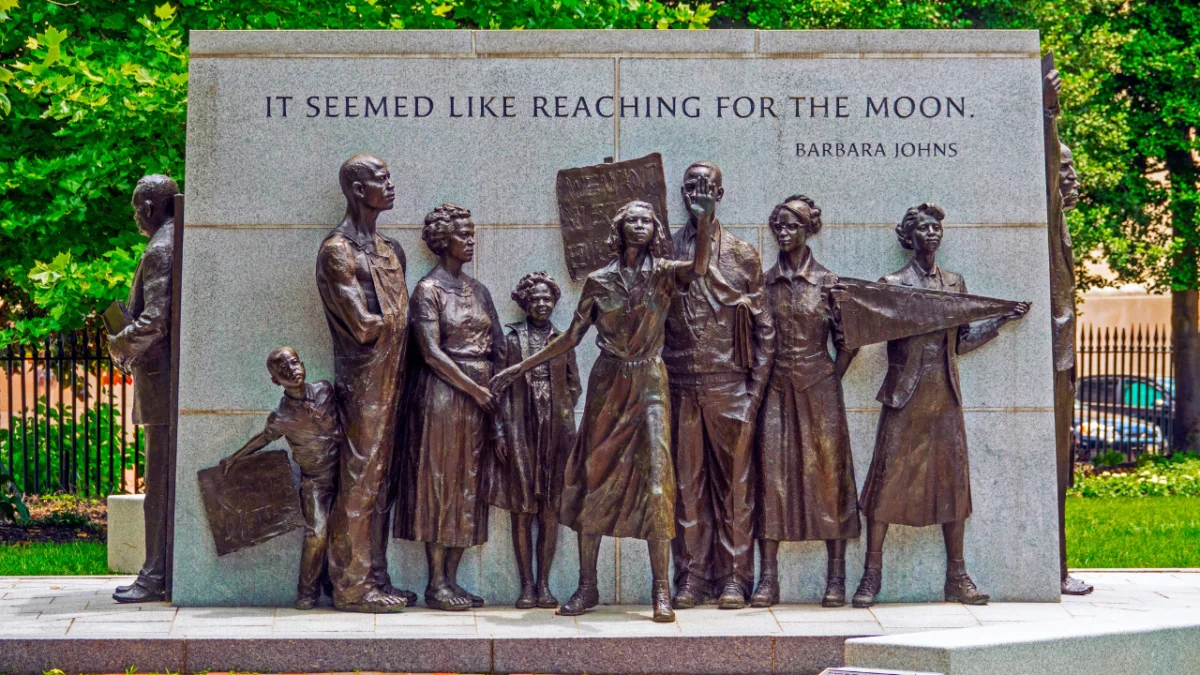
The American narrative of freedom is often celebrated through the lens of July 4th, marking the nation’s declaration of independence. Yet, a stark reminder of the long and often painful journey towards universal liberty lies just 15 days prior, on Juneteenth. This mere two-week span between two pivotal dates in American history belies an 89-year chasm – the time it took for the last enslaved individuals in Galveston, Texas, to be informed of their emancipation, nearly a century after the nation declared all men equal. This profound temporal gap compels us to confront a fundamental question: What does it truly mean to be free in a nation where personal liberty has historically been contingent on factors like skin color, gender, or wealth?
The concept of freedom itself is multifaceted, extending far beyond liberation from tyranny, poverty, fear, or deprivation. It encompasses the fundamental rights to work, create, speak one’s truth, and associate freely with others. For centuries, philosophers, economists, and politicians have grappled with these definitions, and wars have been waged over which freedoms society and government are bound to defend. Yet, irrespective of one’s ideological stance, the U.S. Constitution provides a crucial arena for citizens to lawfully advance their causes, free from undue government interference or corporate dominion. This vital space is known as the independent sector.
The independent sector, comprising millions of charitable nonprofit organizations, has historically served as a sanctuary for Americans to exercise their individual freedoms and champion the liberties of others. Its roots predate the nation’s formal founding, with communities organizing to address public issues and promote common causes. Over the past 250 years, this sector has been an indispensable catalyst for every significant societal shift, innovation, and breakthrough – from the abolitionist and civil rights movements to monumental public health achievements like the eradication of polio. When the American people seek change, it is often through the independent sector that they first mobilize.
Today, however, the foundational freedoms of association, assembly, and speech that underpin the independent sector face unprecedented challenges. Amidst political turbulence and broader debates concerning national values, charitable organizations increasingly find themselves caught in the crosscurrents of a government more inclined to constrain the independence and civic participation of those whose views or activities it opposes. While this may feel like a novel threat, history reminds us that it was precisely the existence of such pressures that inspired the creation of America’s unique independent civic space. This sector, in essence, was built for moments like these.
Throughout its history, the nation has frequently fallen short of its promise to protect and defend the freedoms of all its people. It is within these critical gaps between aspiration and reality that the independent sector has consistently stepped forward: fighting for equal rights, providing essential services like food and housing, and spurring scientific and cultural innovation. In a country founded on the principle of freedom, charitable organizations are on the front lines, often the first to act in defense of Americans’ rights and liberties, and consequently, the first target for those seeking to suppress those freedoms. Recognizing this critical juncture, Independent Sector will soon release recommendations, governance strategies, and best practices from its Panel on Sector Independence, designed to guide nonprofit organizations in safeguarding their autonomy. Preserving the independence of this vital sector is not merely an act of self-preservation; it is a profound act of patriotism, a duty owed to their missions, their communities, and all fellow Americans, to safeguard this independence as fiercely as the nation’s founders did centuries ago.
Chronology: A Legacy of Liberty and Struggle
The journey toward a more perfect union, and the expansion of freedom within it, is a continuous historical process. The independent sector has been an unwavering partner in this journey, often leading the charge from the margins to the mainstream.
The Dawn of a Nation and Delayed Freedom
The Declaration of Independence, proclaimed on July 4, 1776, articulated a radical vision: "all men are created equal, that they are endowed by their Creator with certain unalienable Rights, that among these are Life, Liberty and the pursuit of Happiness." Yet, this soaring rhetoric coexisted with the brutal reality of chattel slavery, a paradox that would define the nation for nearly a century. The 89-year gap between the Declaration’s promise and the true emancipation acknowledged on Juneteenth, June 19, 1865, underscores the profound struggle required to make those ideals a reality for all.
Long before the ink was dry on revolutionary documents, American colonists were already engaging in informal civic action. Mutual aid societies, religious congregations, and benevolent organizations formed the bedrock of community support and nascent political discourse. These early associations, born out of necessity and shared purpose, laid the groundwork for what would become the independent sector, demonstrating a deep-seated human impulse to organize for collective good outside of direct governmental control. These voluntary associations were crucial in addressing local needs, advocating for rights, and even resisting perceived injustices from colonial powers, showcasing the inherent power of independent collective action.
The Independent Sector’s Enduring Impact
Throughout American history, the independent sector has been at the vanguard of nearly every significant social and political transformation.
-
The Abolitionist Movement: Prior to the Civil War, abolitionist societies, largely driven by religious groups, former enslaved people, and white allies, spearheaded the moral and political crusade against slavery. Organizations like the American Anti-Slavery Society, founded in 1833, utilized lectures, petitions, newspapers, and underground networks to challenge the institution, demonstrating the power of independent advocacy to shift public opinion and influence policy, even in the face of intense opposition and violence. Their relentless efforts were instrumental in setting the stage for emancipation.
-
Women’s Suffrage: The fight for women’s right to vote, spanning decades from the mid-19th to early 20th centuries, was primarily organized through independent groups such as the National American Woman Suffrage Association (NAWSA) and the National Woman’s Party. These organizations engaged in extensive lobbying, public demonstrations, and civil disobedience, ultimately securing the 19th Amendment in 1920. Their success highlighted the sector’s capacity to drive profound constitutional change.

-
The Civil Rights Movement: The mid-20th century saw the independent sector reach an apex of influence during the Civil Rights Movement. Organizations like the National Association for the Advancement of Colored People (NAACP), the Southern Christian Leadership Conference (SCLC), and the Congress of Racial Equality (CORE) orchestrated boycotts, sit-ins, marches, and legal challenges that dismantled segregation and secured landmark legislation like the Civil Rights Act of 1964 and the Voting Rights Act of 1965. Figures like Martin Luther King Jr., working through independent organizations, galvanized a nation and forced it to confront its racial injustices. The Virginia Civil Rights Memorial in Richmond, depicting pivotal figures and moments, stands as a powerful testament to these struggles and triumphs.
-
Public Health and Scientific Innovation: Beyond civil liberties, the independent sector has been critical in public health. The March of Dimes, founded by Franklin D. Roosevelt, mobilized a national effort that led to the development of the polio vaccine, effectively eradicating a devastating disease. Today, countless foundations and research institutions continue to fund groundbreaking medical research, combat global health crises, and provide essential healthcare services, often reaching populations underserved by government or commercial entities.
-
Education, Arts, and Environmentalism: From establishing universities and public libraries to funding artistic endeavors and championing environmental conservation, nonprofits have shaped the cultural and intellectual landscape of America. Organizations like the Sierra Club, founded in 1892, pioneered environmental advocacy, while countless educational and arts institutions continue to enrich lives and foster critical thinking, operating as independent bulwarks against societal stagnation.
Evolving Definitions of Freedom
The independent sector has not only defended existing freedoms but has also expanded the very definition of what it means to be free. The initial concept of freedom, largely political (freedom from British rule), gradually broadened to include civil liberties, economic opportunity, and social justice. Nonprofits have continually pushed the boundaries, advocating for freedom to pursue education, to access healthcare, to live without discrimination, and to participate fully in civic life, regardless of background. This evolution underscores the sector’s dynamic role in continually recalibrating the nation’s moral compass and ensuring that the promise of liberty extends to all.
Supporting Data: The Fabric of American Society
The independent sector is not merely a collection of ideals; it is a robust, tangible force deeply embedded in the economic and social fabric of the United States. Its sheer scale and pervasive impact demonstrate its irreplaceable value.
Scope and Scale of the Independent Sector
The charitable nonprofit sector in the U.S. is immense and diverse, representing a significant portion of the nation’s economy and workforce.
- Number of Organizations: According to the National Center for Charitable Statistics (NCCS), there are over 1.5 million tax-exempt organizations registered with the IRS, with a vast majority being public charities (501(c)(3) organizations). This staggering number encompasses everything from small, local community groups to large, international foundations.
- Employment: The sector is a major employer, accounting for over 12 million jobs, representing more than 10% of the private workforce. This makes the independent sector the third-largest employer in the U.S., behind only retail trade and manufacturing. These jobs range from direct service providers to researchers, administrators, and advocates.
- Economic Contribution: The nonprofit sector contributes significantly to the Gross Domestic Product (GDP). Estimates vary, but its contribution is consistently in the trillions of dollars, showcasing its vital role in the national economy.
- Volunteerism: Beyond paid employment, the sector is powered by an extraordinary spirit of volunteerism. Millions of Americans dedicate billions of hours annually to nonprofit causes, providing labor, expertise, and passion that translates into invaluable services and advocacy. In 2022, approximately 60.7 million Americans volunteered, contributing an estimated $1.5 trillion in service.
- Philanthropic Giving: Charitable giving by individuals, foundations, and corporations fuels much of the sector’s work. In 2022, total charitable giving in the U.S. was estimated to be over $499 billion, demonstrating the public’s sustained commitment to supporting independent causes.
This vast ecosystem includes organizations focused on education, health care, arts and culture, environmental protection, human services, civil rights, international development, and more. Each plays a critical role in addressing societal needs, fostering innovation, and advocating for change where government or market forces may fall short.
Impact Metrics
The impact of the independent sector is measurable in countless ways:
- Direct Service Delivery: Millions of individuals receive vital services daily, from food banks and homeless shelters to medical clinics and after-school programs. Nonprofits often serve as the primary safety net for vulnerable populations.
- Policy Influence: Through research, public education, and advocacy, nonprofits shape public policy at local, state, and federal levels, leading to legislative changes that protect rights, improve public welfare, and advance social justice.
- Innovation and Research: Many breakthroughs in science, medicine, and technology originate in nonprofit research institutions or are funded by philanthropic grants, contributing to advancements that benefit humanity globally.
- Cultural Preservation and Enrichment: Arts organizations, museums, historical societies, and educational institutions preserve cultural heritage, foster creativity, and provide access to knowledge and experiences that enrich community life.
The independent sector’s ability to be agile, responsive, and innovative often allows it to address complex societal problems with flexibility that larger governmental bodies or profit-driven corporations cannot match.
Challenges to Freedoms: A Closer Look
Despite its profound contributions, the independent sector’s ability to operate freely and effectively is increasingly under pressure.
- Restrictions on Advocacy and Speech: There have been legislative attempts at both federal and state levels to restrict the advocacy activities of nonprofits, particularly those engaged in policy debates. This can manifest as limitations on lobbying, increased disclosure requirements that can deter donors, or attempts to redefine what constitutes "political activity" for tax-exempt organizations. Such measures can have a chilling effect, discouraging organizations from speaking truth to power.
- Donor Privacy Concerns: Efforts to compel disclosure of donor lists, often under the guise of transparency, pose a significant threat to donor privacy. This can expose individuals to harassment or intimidation, particularly for those supporting controversial causes, thereby deterring philanthropic giving and undermining the sector’s financial stability.
- Government Scrutiny and Interference: Some governments have shown a willingness to exert greater control over nonprofits, sometimes through increased auditing, burdensome reporting requirements, or even attempts to revoke tax-exempt status based on ideological disagreement rather than legitimate regulatory concerns. This can erode the essential independence that allows the sector to act as a counterbalance to government power.
- Political Polarization and Funding: The current climate of political polarization can also impact funding streams, as donors and foundations may become hesitant to support organizations perceived as aligning with one political side or another, even if their work is fundamentally nonpartisan and charitable. This pressures organizations to self-censor or avoid certain issues.
- Misinformation and Public Trust: The rise of misinformation and declining public trust in institutions can also negatively affect the independent sector. False accusations or politically motivated attacks can damage an organization’s reputation, making it harder to raise funds or recruit volunteers.
These challenges are not merely administrative hurdles; they strike at the heart of the independent sector’s capacity to fulfill its constitutional role as a space for free association, expression, and the pursuit of collective well-being.
Official Responses and Advocacy
In recognition of these escalating threats, leaders within the independent sector are mobilizing to defend its autonomy and ensure its continued vitality.
Independent Sector’s Leadership
Independent Sector, a national membership organization that champions the independent sector, is at the forefront of this defense. Its commitment to preserving the sector’s independence is exemplified by the establishment of its Panel on Sector Independence.
- Purpose and Scope: This expert panel is tasked with thoroughly examining the various challenges confronting nonprofit independence, from legal and regulatory pressures to political and operational constraints. Its work involves engaging with legal scholars, nonprofit leaders, policymakers, and philanthropic partners to develop a comprehensive understanding of the landscape.
- Anticipated Recommendations: Later this year, the panel will release a suite of recommendations, governance strategies, and best practices. These will serve as crucial guidance for nonprofit organizations looking to safeguard their independence. Specific areas of focus are expected to include:
- Protecting Donor Anonymity: Strategies and advocacy positions to defend the right of donors to contribute without fear of public disclosure and potential harassment.
- Safeguarding Advocacy Rights: Best practices for nonprofits to engage in legitimate lobbying and advocacy within legal boundaries, ensuring their voices can be heard in policy debates.
- Ensuring Operational Autonomy: Guidance on maintaining independence from government or corporate influence in programmatic decision-making, funding strategies, and governance structures.
- Legal Defense and Education: Recommendations for legal preparedness, compliance, and public education campaigns to inform both the sector and the broader public about the importance of nonprofit independence.
The initiative by Independent Sector underscores a proactive and unified approach to reinforce the sector’s resilience against forces seeking to diminish its influence or control its activities.
Broader Advocacy Efforts
Beyond Independent Sector, a wide array of organizations and coalitions are actively engaged in defending the independent sector. These include:
- Legal Advocacy Groups: Organizations like the Alliance for Justice and the Council on Foundations regularly monitor legislative proposals, provide legal counsel to nonprofits, and engage in litigation to protect free speech, association rights, and tax-exempt status.
- State Associations of Nonprofits: These state-level bodies serve as vital advocates for local nonprofits, addressing state-specific legislative threats and fostering a supportive environment for charitable work.
- Coalitions and Alliances: Various coalitions bring together diverse groups to present a united front against restrictive policies, demonstrating the collective power of the sector.
- Public Awareness and Education: A key component of these advocacy efforts is educating the public, policymakers, and even within the sector itself about the critical role of independent nonprofits in a healthy democracy and the potential consequences of eroding their autonomy.
Government’s Role and Responsibility
While the independent sector actively defends its space, there is a parallel responsibility for government. A healthy democracy thrives when there is a robust, independent civic sphere capable of holding power accountable, innovating solutions, and giving voice to diverse perspectives. Therefore, government’s role should be to:
- Respect and Protect: Enact policies that respect and protect the freedoms of association, assembly, and speech for all citizens, including those organized within nonprofits.
- Foster, Not Constrain: Recognize the independent sector as a partner in societal well-being, rather than viewing it as a potential adversary to be constrained. This means striking a careful balance between necessary oversight and preserving operational autonomy.
- Avoid Partisan Interference: Refrain from using regulatory or legislative tools to target nonprofits based on their ideological leanings, ensuring a level playing field for all legitimate charitable and advocacy efforts.
Ultimately, the vibrancy of the independent sector is a barometer of a nation’s commitment to freedom.
Implications: The Future of American Liberty
The current challenges facing the independent sector are not merely internal struggles for nonprofit organizations; they carry profound implications for the future of American liberty, civic engagement, and democratic health.
Consequences of a Diminished Independent Sector
If the independence of the charitable nonprofit sector is allowed to erode, the repercussions would be far-reaching and detrimental:
- Reduced Innovation and Problem-Solving: The sector’s agility and capacity for innovation would be stifled. Many groundbreaking solutions to social, environmental, and health challenges originate in nonprofits. A constrained sector would mean fewer new ideas, less experimentation, and a reduced ability to tackle emerging problems effectively.
- Erosion of Civic Engagement: Restrictions on association and speech would inevitably lead to a chilling effect on civic participation. Citizens would be less likely to organize, advocate, or voice dissent if they fear government reprisal or undue interference, weakening the very fabric of democratic life.
- Fewer Safety Nets and Services: Millions of Americans rely on nonprofits for essential services, from disaster relief to educational support and healthcare. A weakened sector would mean critical services would be diminished, leaving vulnerable populations even more exposed and increasing the burden on an already stretched public sector.
- Stifled Dissent and Accountability: The independent sector often serves as a vital check on governmental power and corporate influence, holding institutions accountable and advocating for marginalized communities. If this voice is suppressed, unchecked power could flourish, leading to greater injustices and a less representative democracy.
- Loss of Diverse Voices: Nonprofits often give voice to communities and perspectives that are underrepresented in mainstream politics or media. Eroding the sector’s independence would disproportionately impact these diverse voices, leading to a less inclusive and equitable public discourse.
- Impact on the Economy: Given its significant contribution to employment and GDP, a diminished independent sector would also have negative economic consequences, impacting jobs, investment, and overall economic vitality.
Reaffirming Core Principles
The current moment demands a reaffirmation of the core principles that define American freedom. The ability of citizens to gather, speak, and act collectively outside the direct control of government or for-profit entities is not merely a convenience; it is a constitutional right and an essential component of a thriving democracy. Safeguarding the independent sector is not just an exercise in self-preservation for nonprofits; it is an act of profound patriotism, a commitment to the very ideals upon which the United States was founded. It means upholding the promise of the Declaration of Independence and working to close the 89-year gap, ensuring that freedom truly means freedom for all, in every sense of the word.
A Call to Action
The future of American liberty depends on a robust and independent civic space. As Dr. Akilah Watkins, President and CEO of Independent Sector, eloquently states, "We owe it to our missions, our communities, and our fellow Americans to safeguard our independence from undue influence as fiercely as our founders did 250 years ago." This is a call to action for everyone: for policymakers to respect and protect this vital sector, for philanthropic organizations to continue their crucial support, for nonprofits themselves to uphold the highest standards of governance and transparency, and for every citizen to recognize and champion the indispensable role of independent organizations in building a more just, equitable, and truly free society. The independent sector was built for this moment, and its resilience will determine the strength of America’s enduring promise of liberty.
Dr. Akilah Watkins is president and CEO of Independent Sector.


 Siti Muinah
 Basiran