

 Sagoh
Los Angeles, the sprawling megalopolis often synonymous with cinematic glamour and gridlocked freeways, is undergoing a profound identity shift. Long defined by its car-centric culture and vast suburban expanses, the city is now at the center of an ambitious architectural and social experiment: the transition to a sustainable, net-zero urban environment. This evolution is not merely about installing solar panels or planting trees; it represents a fundamental rewriting of the "Los Angeles Dream."
As the city grapples with the legacy of 20th-century urban planning—characterized by fossil fuel dependence and environmental fragmentation—a new wave of architects, urbanists, and policymakers are proposing a holistic redesign. Central to this movement is the understanding that for Los Angeles to become truly sustainable, it must integrate its unique cultural tapestry with cutting-edge mobility and environmentally conscious architecture.
Main Facts: The Blueprint for a Net-Zero Los Angeles
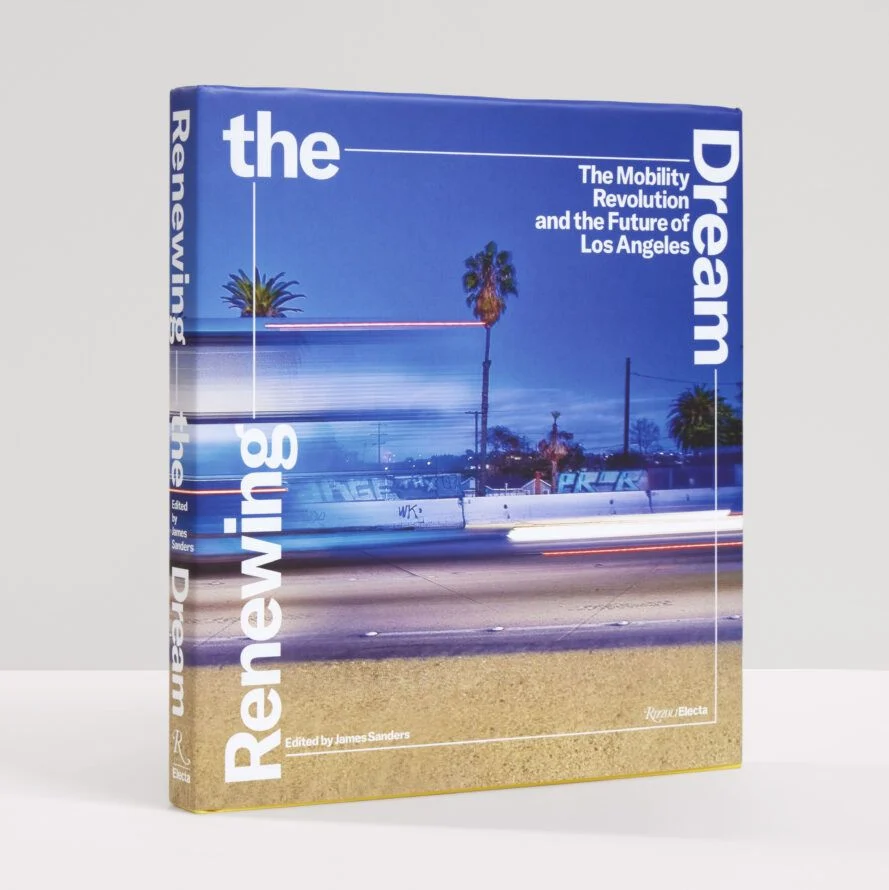
The push toward sustainability in Los Angeles has moved from the fringes of environmental activism to the core of the city’s developmental strategy. At the heart of this discussion is the global architecture and design studio Woods Bagot, which recently released a seminal work titled Renewing the Dream: The Mobility Revolution and the Future of Los Angeles.
The book, authored by a collective of architects and sustainability experts, serves as both a historical audit and a visionary roadmap. It argues that the transition to a sustainable city is impossible without a "mobility revolution." Key facts regarding this transition include:

- Holistic Integration: Sustainability in LA is being redefined as a "triple bottom line" approach that merges architecture, culture, and mobility.
- Infrastructure Overhaul: A primary focus is the conversion of traditional fossil fuel infrastructure, such as gas stations, into multi-functional electric vehicle (EV) charging hubs that serve as community nodes.
- Legislative Momentum: California’s aggressive climate policies, including the eventual phase-out of internal combustion engines, are forcing a rapid redesign of the urban grid.
- The Role of Design: Architects like Matt Ducharme and Russell Fortmeyer argue that "net-zero" must be made aspirational and desirable to the public, rather than viewed as a sacrifice of lifestyle.
Chronology: From Natural Tapestry to Auto-Sprawl and the Green Rebirth
To understand where Los Angeles is going, one must understand the layers of its design history. The city’s evolution can be categorized into three distinct eras of urban philosophy.
The Natural and Romantic Era (Late 19th to Early 20th Century)
In its infancy, Los Angeles was a city deeply connected to its rugged geography. The design of residential enclaves like the Hollywood Hills and the canyons of Malibu was dictated by the topography. Architecture during this period sought to frame the breathtaking vistas of the Pacific and the San Gabriel Mountains. This "urban tapestry" was characterized by an integration of nature into the living space, a trait that remains a hallmark of LA’s high-end residential design today.
The Era of the Automobile and Sprawl (1940s–2000s)
Post-World War II, the city underwent a radical transformation. The "American Dream" was reimagined through the lens of the private automobile. This led to the creation of the world’s most extensive freeway system, which encouraged horizontal sprawl. However, this came at a significant cost: the degradation of air quality, the "paving over" of the Los Angeles River, and a city plan that largely ignored renewable energy and public transit. By the late 20th century, LA had become the poster child for the environmental pitfalls of car-dependent urbanism.
The Mobility Revolution and the Sustainable Pivot (2010s–Present)
The current era is defined by a "re-urbanization" effort. Initiatives like the LA River Revitalization Master Plan and the massive expansion of the Metro rail system signify a move away from the car. The publication of Renewing the Dream in 2023 marks a pivotal moment in this chronology, as it provides a framework for how the city can use the transition to clean energy to repair the social and architectural fabric torn apart by 20th-century sprawl.

Supporting Data: The Metrics of Transformation
The transition to a sustainable Los Angeles is backed by significant data points that illustrate the scale of the challenge and the progress made thus far.
- Vehicle Emissions: California’s robust environmental regulations have already yielded measurable results. Recent state laws targeting high-emission vehicles have led to the removal of over 200,000 "gross polluters" from the roads in a single year. Given that transportation accounts for nearly 40% of California’s greenhouse gas emissions, this shift is critical for LA’s air quality.
- The EV Infrastructure Gap: Experts at Woods Bagot highlight a massive logistical challenge: the electricity grid. Replacing every gas station in Los Angeles with an E-charging station would significantly lower the carbon footprint but would require a monumental increase in local electricity generation and storage capacity.
- Public Transit Usage: The expansion of the Metro rail system is one of the largest public works projects in US history. As more neighborhoods become "transit-adjacent," property values and density are shifting, signaling a move toward a more European-style urban density that is inherently more sustainable than sprawl.
- Energy Consumption: The shift toward net-zero buildings is being accelerated by California’s Title 24 energy standards, which are among the strictest in the nation. These codes require new constructions to be "electric-ready" and often incorporate mandatory solar installations.
Official Responses and Expert Perspectives
In a series of discussions regarding the city’s future, key figures from Woods Bagot emphasized that the path to sustainability is as much about psychology as it is about engineering.
Matt Ducharme, West Coast Principal for Woods Bagot, suggests that the physical transformation of the city must be accompanied by a cultural one. "We are talking about the impact of transitioning to clean energy and not just sustainable buildings," Ducharme noted. "Think about replacing every gas station in LA with an E-charging station. This will have a massive impact on the carbon footprint but will also affect our electricity consumption and how we interact with our neighborhoods."
Russell Fortmeyer, Global Sustainability Leader at the studio, argues that the burden of this transition cannot fall solely on the shoulders of the private sector. He emphasizes the necessity of government intervention. "The government must put in place policies and incentives to get the private sector moving," Fortmeyer stated. "The government can’t spearhead every aspect of development. Providing incentives is one way they can help with this transition."

Fortmeyer further posits that the role of the architect is to make sustainability "sexy." He believes that "architecture and design should make zero carbon desirable in the future." By integrating public art, vibrant streetscapes, and modern mobility into the net-zero framework, the goal is to create a city that people want to live in, rather than one they feel obligated to accept for the sake of the planet.
Implications: A Global Blueprint for the 21st Century Megacity
The transformation of Los Angeles carries implications that extend far beyond Southern California. If a city as famously sprawled and car-dependent as LA can successfully pivot to a sustainable, transit-oriented model, it provides a blueprint for "polluter cities" worldwide.
The Rebirth of the Public Square
One of the most significant implications of this shift is the reclamation of public space. In the 20th century, the "public square" in LA was often a parking lot or a freeway interchange. The new vision for the city prioritizes the "Arts District" model—transforming industrial areas into vibrant, walkable neighborhoods filled with galleries, studios, and street art. This fosters a sense of community and "social sustainability" that is often missing in high-density urban environments.
Economic Modernization
The transition to a sustainable city is also an economic engine. The "Mobility Revolution" creates a demand for new technologies, from advanced battery storage to smart-grid software. By positioning itself as a leader in sustainable urbanism, Los Angeles is attracting a new generation of green-tech companies and skilled workers, diversifying an economy traditionally dominated by entertainment and aerospace.

The Challenge of Equity
However, the transition also raises questions about equity and displacement. As neighborhoods become "greener" and more walkable, they often become more expensive. Policymakers face the daunting task of ensuring that the "Sustainable Los Angeles" of the future is accessible to all its residents, not just those who can afford luxury net-zero developments.
Conclusion
Los Angeles is currently a city in flux, caught between its storied past as a car-haven and its necessary future as a sustainable leader. Through the lens of firms like Woods Bagot and the legislative push from the state of California, the city is proving that urban design is not static. By weaving together the threads of culture, mobility, and innovative architecture, Los Angeles is attempting to prove that the "Urban Tapestry" can be rewoven into a green masterpiece. The success of this endeavor will likely determine the template for urban living in the 21st century.

 Nana Wu

 Asro






