


 Ammar Sabilarrohman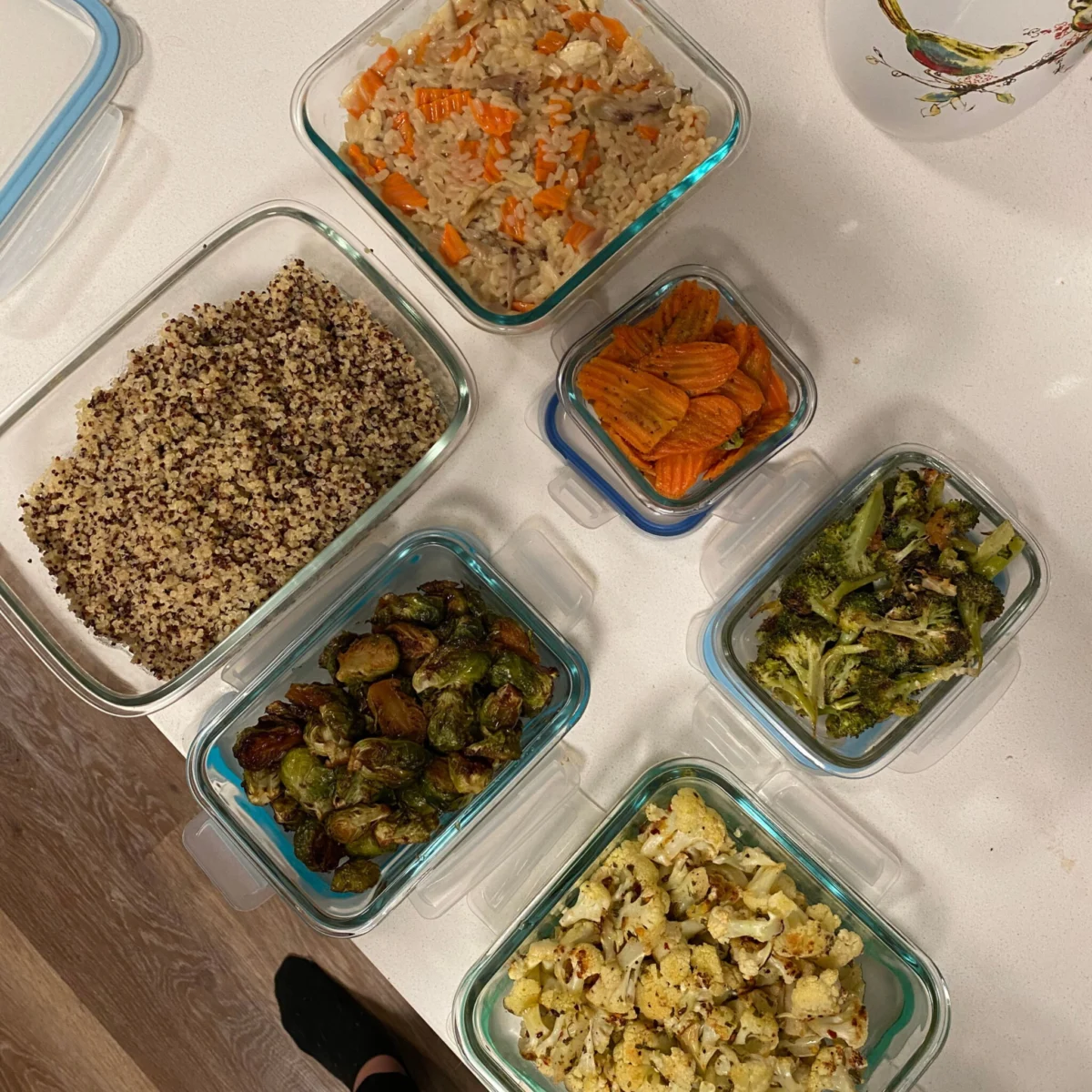
In an era defined by fluctuating global supply chains and the escalating cost of living, the domestic kitchen has emerged as a primary front in the battle for both financial stability and environmental stewardship. While meal planning has long been touted as a solution for reducing grocery expenditures and minimizing packaging waste, a significant portion of the population continues to struggle with the practical application of these systems.
Recent analysis suggests that the failure of traditional meal planning stems from a fundamental conceptual error: focusing on rigid "meals" rather than versatile "ingredients." By shifting toward a flexible, ingredient-centric model, households can significantly reduce the estimated 30% to 40% of the food supply that currently ends up in landfills. This report explores the mechanics of this system, the economic data supporting its adoption, and the broader implications for sustainable urban living.
Main Facts: The Ingredient-First Methodology
The core of the "Ingredient-First" system is the decoupling of meal scheduling from ingredient preparation. Traditional planning often dictates a specific dish for a specific day—for instance, "Lasagna Tuesday." However, experts note that this rigidity often leads to failure when daily cravings or schedule changes occur. If a household is not "in the mood" for lasagna on Tuesday, the perishable ingredients purchased specifically for that dish often languish until they spoil.
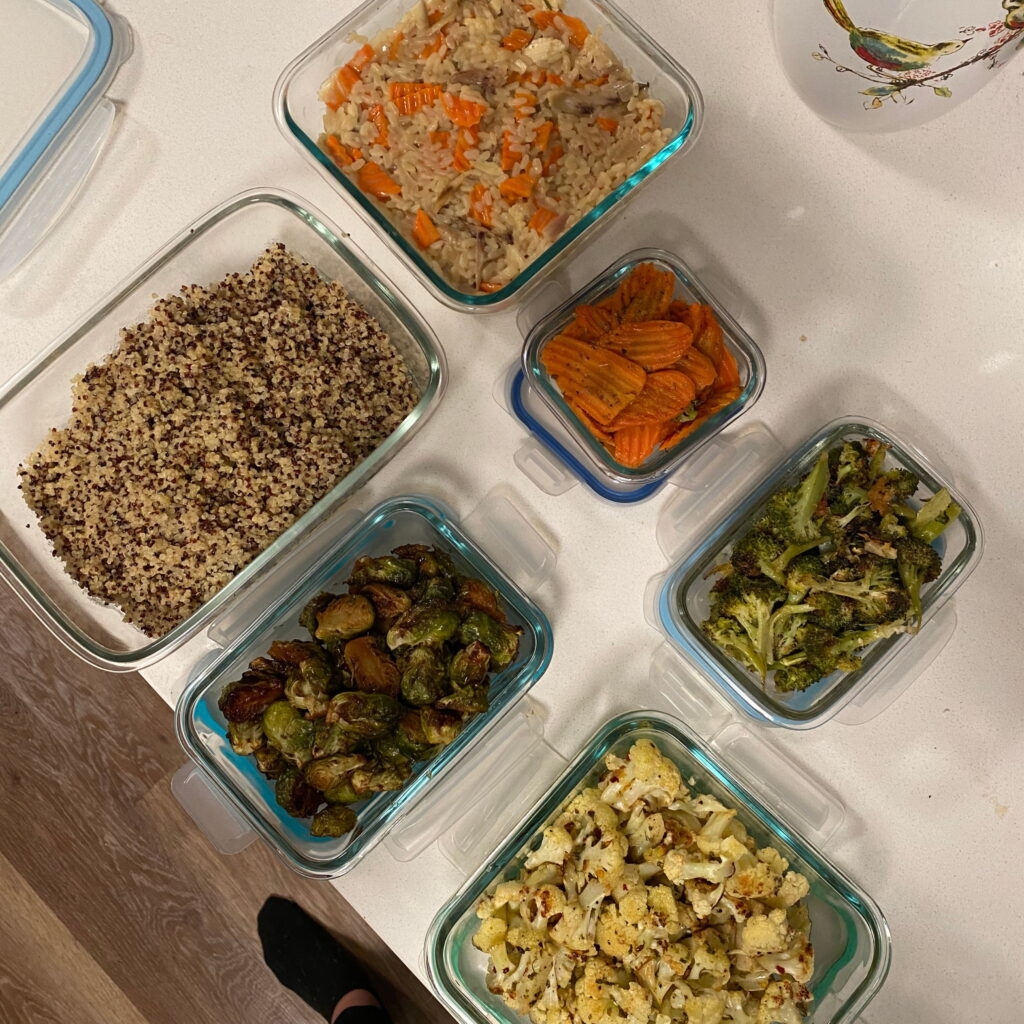
Conversely, the ingredient-centric approach prioritizes the preparation of "building blocks." By washing, chopping, and storing versatile components—such as roasted root vegetables, cooked grains, and prepared proteins—the home cook retains the agency to assemble various dishes based on immediate preference. This flexibility is the cornerstone of long-term adherence to a zero-waste lifestyle.

Key components of this system include:
- The Master List: A curated inventory of "reliable" recipes that the household can execute without significant cognitive load.
- Inventory Auditing: The practice of "shopping the pantry" before visiting a retail outlet to ensure existing resources are utilized.
- Seasonal Alignment: Prioritizing produce that is currently in peak harvest to ensure lower costs and higher nutritional density.
- Macro-Balancing: A nutritional framework ensuring every prepared meal contains a balance of carbohydrates, proteins, fats, and fiber to promote satiety.
Chronology: Implementing the Weekly Resource Cycle
To achieve maximum efficiency, the system follows a specific chronological workflow that integrates with the typical weekly schedule.
Phase I: The Pre-Planning Audit (Days 1-2)
The cycle begins not at the grocery store, but in the kitchen. Before any new purchases are made, a thorough audit of the refrigerator and pantry is conducted. This involves identifying "high-risk" perishables—items nearing their expiration or wilting point. These items dictate the direction of the coming week’s menu. For example, wilted celery and carrot ends are designated for a vegetable stock, while stale bread is earmarked for a breakfast casserole.
Phase II: Strategic Menu Mapping (Day 2)
Using the "Master List" of favorite recipes, the planner selects 4-5 dinner options. Unlike traditional plans, these are not assigned to specific dates. Instead, they exist as a "menu of possibilities" for the week. The planner also accounts for external variables, such as evening work meetings or social events, to avoid over-purchasing.

Phase III: The Procurement Phase (Day 3)
Grocery shopping is consolidated into a single weekly trip to minimize impulse buys. Data from consumer behavior studies indicate that frequent, unplanned trips to the store increase total spending by up to 25% due to the "incidental purchase" effect. During this phase, shoppers are encouraged to utilize farmers’ markets for seasonal produce and bulk sections for dry goods to reduce packaging waste.
Phase IV: The Preparation Window (Day 4)
The most critical step is the "Prep Session," typically a 2-3 hour block dedicated to processing raw ingredients. This involves:
- Vegetable Processing: Washing, peeling, and chopping all produce.
- Protein Preparation: Marinating or pre-cooking beans, lentils, or seitan.
- Snack Assembly: Portioning yogurt, hummus, and chopped vegetables into glass containers for grab-and-go accessibility.
Phase V: Execution and Iteration (Days 5-7)
During the work week, the labor-intensive aspects of cooking have been eliminated. Meals are assembled in 15-20 minutes using the prepped components. As the week concludes, any remaining scraps are processed into stocks or composted, closing the loop.
Supporting Data: The Economics of Waste
The motivation for adopting these systems is increasingly financial. According to the U.S. Department of Agriculture (USDA), the average American family of four loses approximately $1,500 annually to uneaten food.

Inflationary Pressures
As of 2024, the Consumer Price Index (CPI) for food at home has seen significant volatility. Strategic meal planning allows households to bypass the most inflated sectors of the market. For instance, by focusing on plant-based proteins like lentils and chickpeas—which can be bought in bulk and have a long shelf life—consumers can mitigate the impact of rising meat prices.
Environmental Impact
Food waste is a major contributor to greenhouse gas emissions. When food rots in a landfill, it produces methane, a gas 25 times more potent than carbon dioxide at trapping heat in the atmosphere. According to Project Drawdown, reducing food waste is one of the top three most effective actions individuals can take to combat climate change.
| Category | Potential Annual Savings (USD) | Environmental Impact |
|---|---|---|
| Reducing Impulse Buys | $400 – $600 | Reduced plastic packaging |
| Pantry Auditing | $200 – $300 | Lowered transport emissions |
| Using Food Scraps | $100 – $150 | Diversion from landfills |
| Seasonal Shopping | $300 – $500 | Support for local biodiversity |
Official Responses and Expert Perspectives
Governmental and non-governmental organizations (NGOs) have begun to recognize that individual household management is a systemic necessity.
The United Nations and SDG 12.3
The United Nations Sustainable Development Goal (SDG) 12.3 aims to halve per capita global food waste at the retail and consumer levels by 2030. In response to this target, international waste agencies have praised "ingredient-first" planning as a viable grassroots strategy. A spokesperson for the Waste & Resources Action Programme (WRAP) noted, "The shift from ‘recipe-based’ shopping to ‘inventory-based’ shopping is the single most effective behavior change a consumer can make to meet sustainability targets."
Nutritional Science
Dieticians emphasize that meal prepping is not merely a logistical tool but a public health intervention. "When people are tired after a long workday, they default to high-calorie, low-nutrient convenience foods," says Dr. Elena Rodriguez, a specialist in community nutrition. "By having prepped ingredients—fiber-rich vegetables and balanced proteins—ready in the fridge, the ‘path of least resistance’ becomes a healthy one."
The Zero-Waste Movement
Leading voices in the zero-waste movement advocate for the use of "imperfect" produce and the consumption of often-discarded plant parts. This includes beet tops, carrot greens, and broccoli stalks. These "scraps" are often more nutrient-dense than the primary produce and represent "free" food that is already paid for but rarely utilized.
Implications: The Future of the Domestic Economy
The transition toward structured meal planning and ingredient prepping carries profound implications for the future of urban living and household resilience.
1. The Rise of "Prosumerism"
As households become more efficient, the line between consumer and producer blurs. Using food scraps to create stocks, regrowing green onions from bulbs, and preserving seasonal gluts through fermentation are all hallmarks of a "prosumer" economy. This reduces dependence on fragile global food chains and fosters local self-reliance.

2. Time-Wealth vs. Material-Wealth
While meal prepping requires an upfront investment of 2-3 hours, it creates "time-wealth" during the week. In an increasingly fast-paced society, the elimination of daily "decision fatigue" regarding food is a significant contributor to mental well-being.
3. Urban Infrastructure Demands
The widespread adoption of these systems may influence future urban design. There is a growing demand for kitchens with better storage for bulk goods, community composting programs, and local "refill" stations where ingredients can be purchased without plastic packaging.
4. Educational Shifts
There is an emerging argument for the reintegration of "home economics" into school curricula, updated for the 21st century. Instead of simple baking, these programs focus on resource management, the chemistry of food preservation, and the environmental science of waste.
In conclusion, the "Ingredient-First" meal planning system is more than a lifestyle trend; it is a sophisticated response to the dual pressures of economic inflation and environmental degradation. By treating the kitchen as a managed resource center rather than a site of passive consumption, individuals can reclaim significant financial capital while contributing to global sustainability goals. The peace of mind offered by a well-organized pantry and a fridge full of prepared ingredients is, perhaps, the most valuable return on investment of all.


 Iffa Jayyana
 Azzam Bilal Chamdy