


 Reynand Wu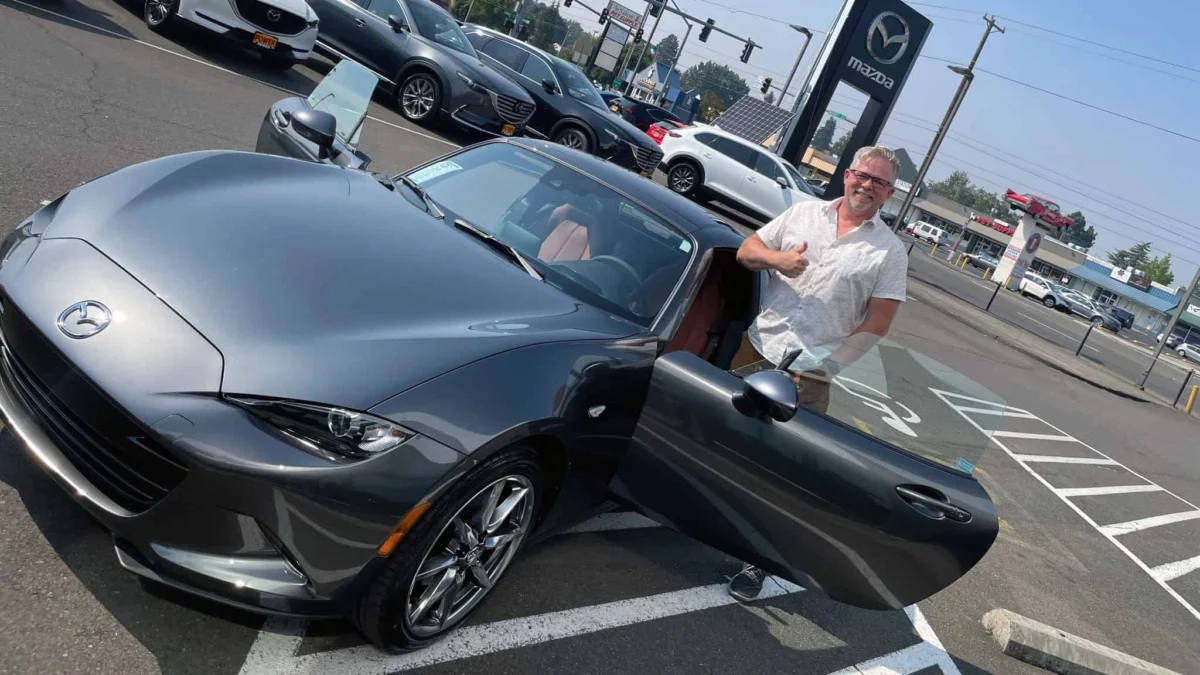
At 53 years old, most people have settled into a rhythm of practical, calculated decision-making. We weigh the costs, evaluate the utility, and suppress our whims in favor of long-term stability. For me, that meant decades of compromising on the vehicles I drove. I bought used to save money, chose compact SUVs to appease "common sense," and consistently prioritized logic over the visceral thrill of the open road.
However, in the late summer of 2022, an unexpected market shift—and a serendipitous visit to a dealership—allowed me to shatter that cycle. This is the story of how a series of economic events and a moment of personal clarity led me to finally purchase a vehicle I truly love: the Mazda MX-5 Miata.
The "Maxi Cooper" Dilemma: A Lesson in Mismatched Needs
In July 2020, at the height of the global pandemic, I found myself in the market for a replacement for my aging 2004 Mini Cooper. Despite being a "small-car guy" at heart, I allowed myself to be steered toward a 2019 Mini Countryman SE All4. I paid $35,990 for this compact SUV—a vehicle I quickly dubbed the "Maxi Cooper."
For two years, the vehicle sat in my driveway as a constant reminder of a compromise I hadn’t wanted to make. While the Countryman was mechanically sound and arguably "practical," it was fundamentally the wrong car for me. It lacked the nimble, connected-to-the-road feeling I had cherished in my 2004 model. I had purchased it to be sensible, but in doing so, I had ignored my own identity as a driver.
The Economic Catalyst: A Market "Miracle"
The trajectory of my automotive journey shifted abruptly last month during a routine maintenance appointment. While waiting for an oil change on my "Maxi Cooper," the dealership made an unsolicited offer to buy the car back from me.
To understand why this was significant, one must look at the broader U.S. automotive market. The post-2020 landscape was defined by supply chain disruptions, a severe global shortage of semiconductor chips, and unprecedented inflation. According to data from the U.S. Federal Reserve, used vehicle prices surged by 55% between July 2020 and mid-2022. By comparison, new vehicle prices rose by a more modest 18% during the same window.
When the dealer offered me $33,000 for a car I had purchased 26 months prior, I was stunned. I reached out to a friend and former car salesman, Jeremy, to sanity-check the situation. His assessment was blunt: "It’s not just a good deal; it’s a miracle. You essentially leased that car for $115 a month. Take the offer now, before they realize their mistake."
The Shift to Self-Centered Shopping
With the "Maxi Cooper" gone, I faced a rare blank slate. I made a solemn promise to myself: for the first time in my life, I would not compromise. I would not buy a car based on what others thought I should drive, or what was the "responsible" choice for a man of my age. I would engage in what I call "self-centered shopping"—a strategy where the primary metric is personal alignment rather than external validation.
I considered my options: going car-free in my hometown of Corvallis, Oregon, where the infrastructure supports walking and cycling, or perhaps hunting down another 2004 Mini Cooper. Neither felt quite right. I wanted the reliability of a new car, but the spirit of a classic, small-scale driver.
Data-Driven Selection: Why the Miata?
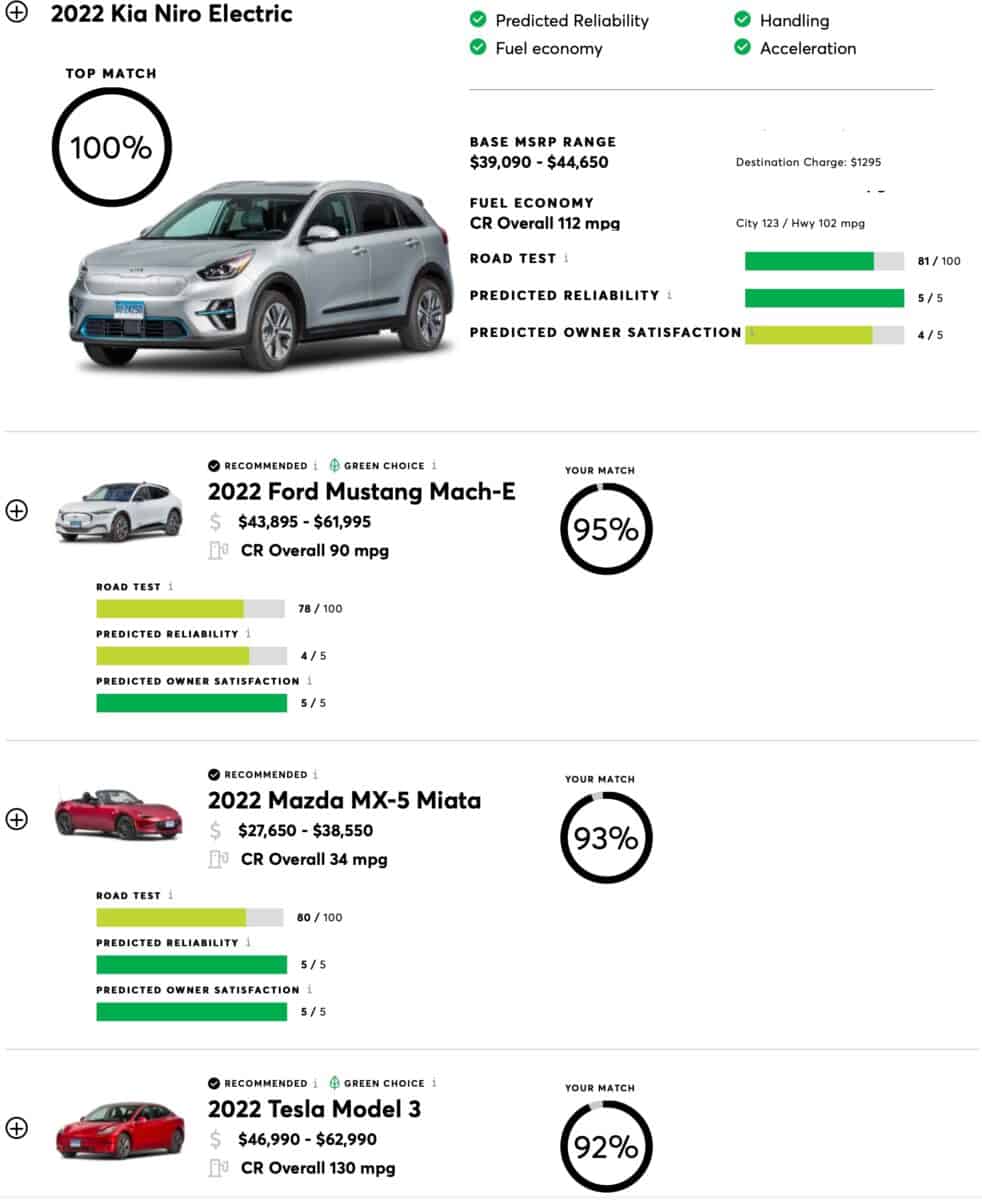
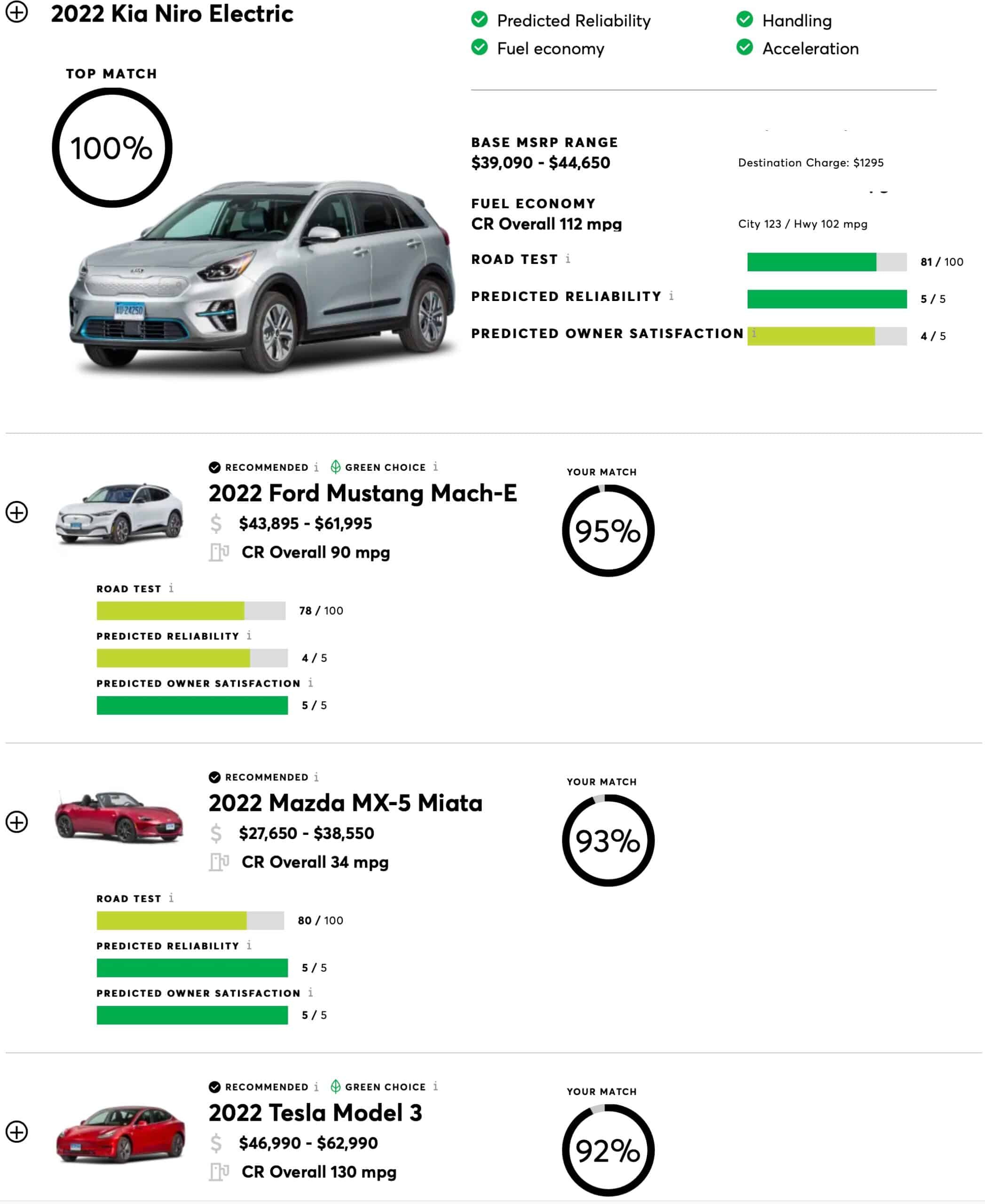
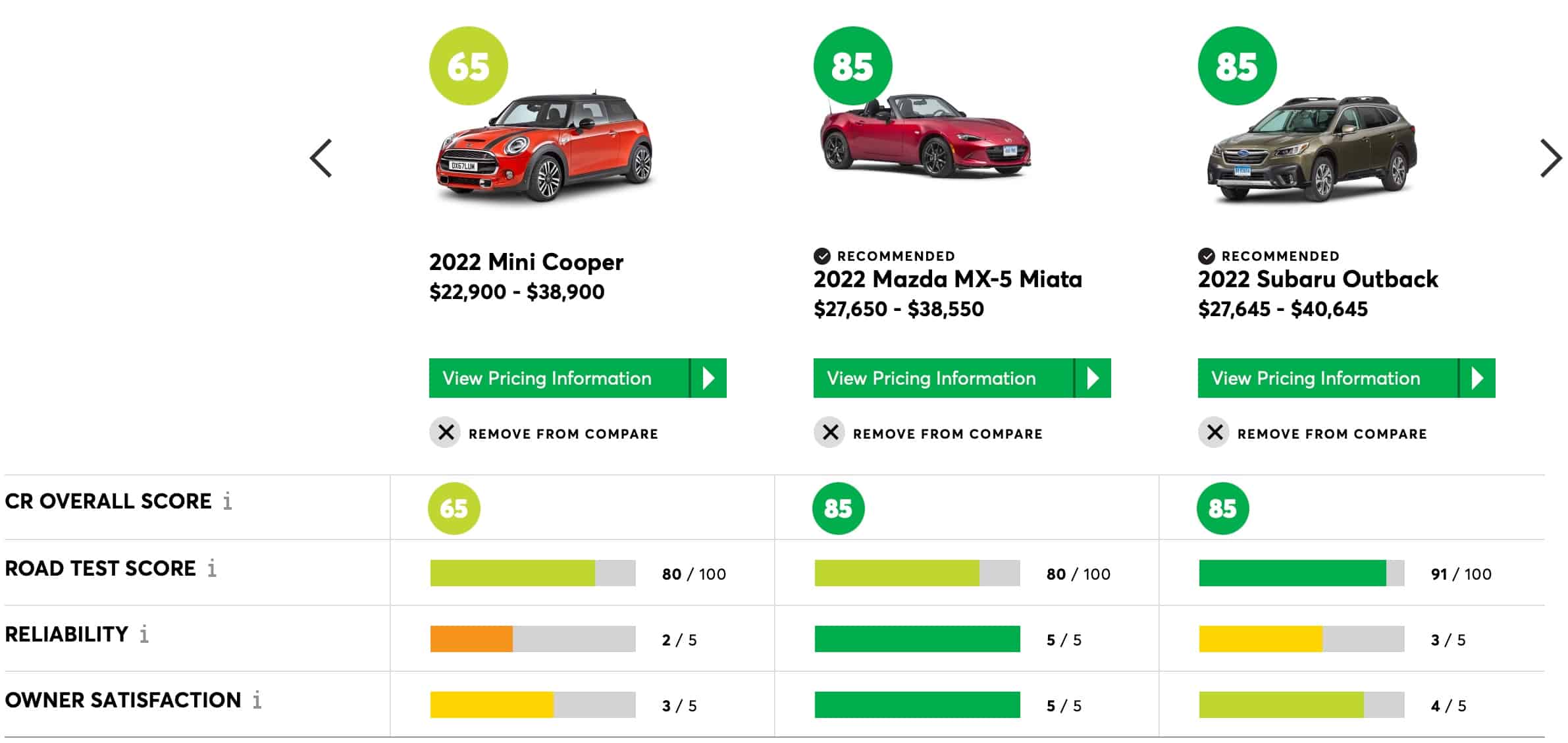
I dove into 24 hours of intensive research, utilizing the Consumer Reports car finder tool. I set strict criteria: the vehicle had to be fun to drive, highly reliable, and compact.
The algorithm suggested the Kia Niro Electric, the Ford Mustang Mach-E, the Mazda Miata, the Tesla Model 3, and the Hyundai Ioniq 5. I quickly dismissed the Tesla for its inconsistent reliability ratings, and the Kia and Hyundai for lacking the owner satisfaction marks I required. The Mustang Mach-E was disqualified for being an SUV—the very category I was trying to escape.
That left the Mazda MX-5 Miata.
The Argument for the "Impractical"
The Miata is, by almost any traditional metric, a "bad" car for the average consumer. It is loud, has almost no storage space, seats only two people, and offers a ride that prioritizes feedback over comfort. Yet, as the Consumer Reports test track team noted, it is "one of the last intimate driving experiences."
The car’s "fun-per-dollar" ratio is unmatched. It is a machine that demands engagement. After watching several automotive reviews, one sentiment resonated: "It’ll bring joy to your heart every time you drive it." For someone who had spent decades suppressing his automotive passions, this was the ultimate validation.
The Acquisition: Closing the Deal
On the final Thursday of August, I traveled to a dealership in Salem to test-drive a Miata. The moment I pulled out of the parking lot, the decision was finalized. I didn’t need to drive it for hours to know that it was the perfect fit.
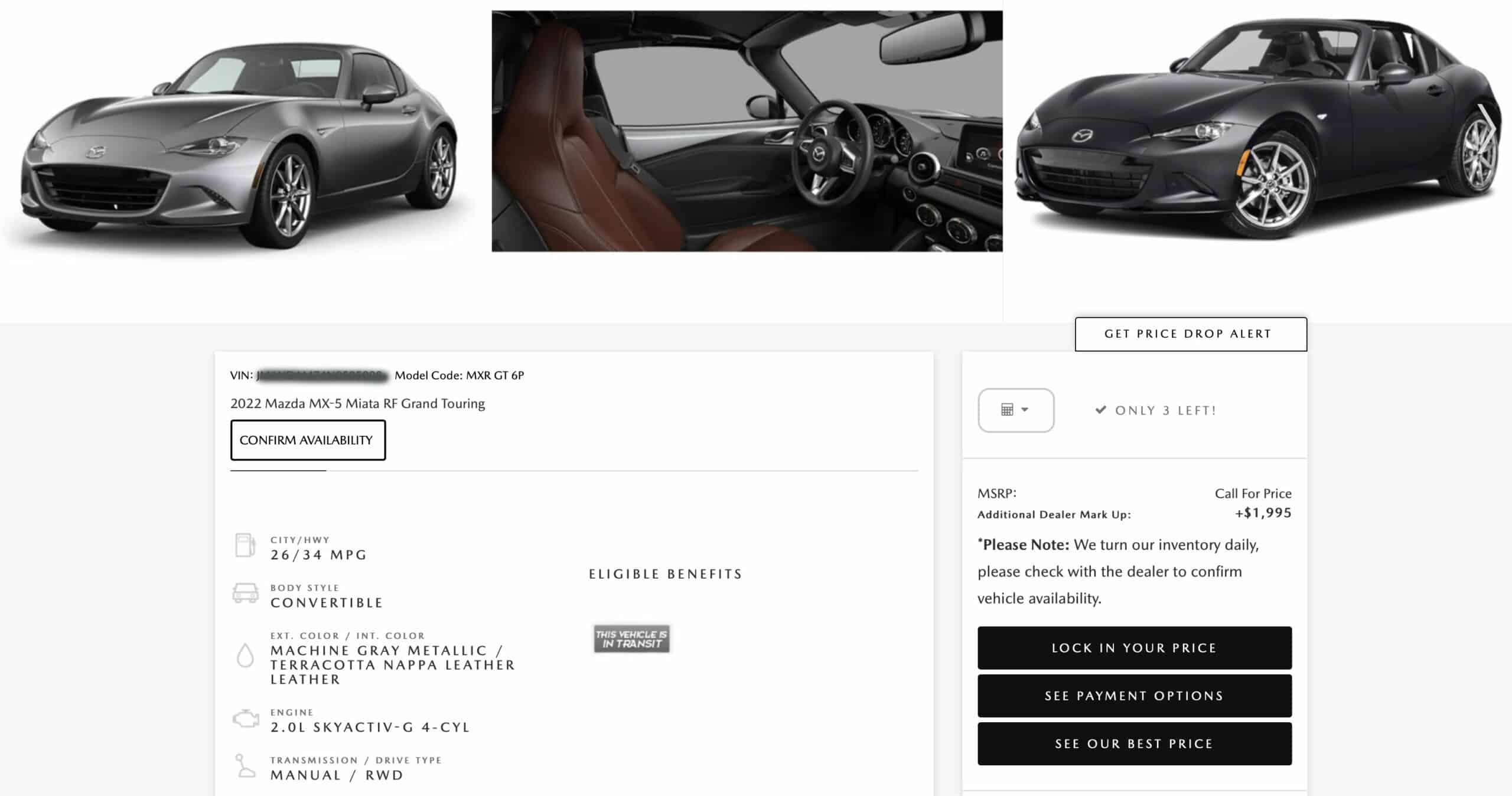
The negotiation was straightforward. I presented the dealership with the written buy-back offer from the Mini dealer. They matched it. I then pointed to a specific gray hardtop model listed on their website. While the salesman initially attempted to steer me toward an on-lot vehicle to close the sale immediately, I remained firm. I wanted that specific configuration: gray, manual transmission, and hardtop.
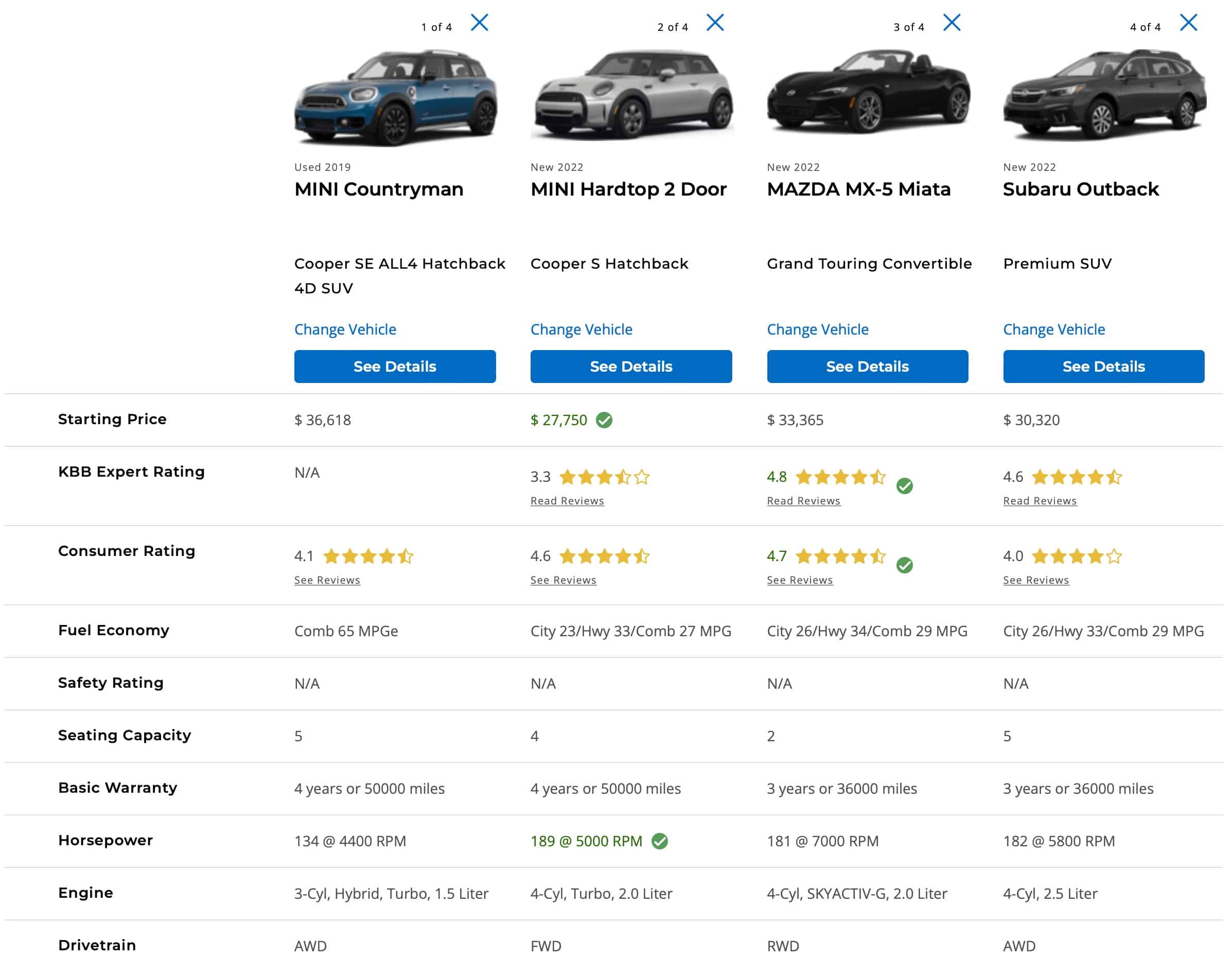
We shook hands on a price—$39,245, including the market-adjusted markup—and waited for the delivery.
Financial Implications and Emotional Growth
The question remained: Was this purchase logical? If I looked at the numbers purely through a spreadsheet, one might argue that keeping the money was the "smarter" play. But I asked myself: Would I rather have the 2019 Maxi Cooper and $7,000, or a brand-new 2022 Mazda Miata?
The answer was clear. The Miata was not just a vehicle; it was an investment in my quality of life. As I drove the car off the lot—with only five miles on the odometer—I realized that my hesitation wasn’t about the money; it was about the guilt of finally allowing myself a luxury.
Overcoming the Scarcity Mindset
Growing up in a low-income household leaves a permanent mark on one’s psyche. It creates a reflex of guilt whenever one spends money on something that isn’t strictly necessary for survival. However, as author and personal finance expert Ramit Sethi often preaches, the goal of building wealth is not to hoard it, but to fund a "rich life."
The Miata is a tangible piece of my rich life.
Conclusion: The Long Road Home
Driving back to Corvallis on winding riverside roads with the top down, I felt the wind in my hair and the road beneath the tires in a way I hadn’t felt in years. There was no "Maxi Cooper" compromise—just the machine, the road, and a sense of genuine contentment.
By refusing to compromise, I hadn’t just bought a car; I had reclaimed a piece of my own identity. I had proven that even in an volatile, unpredictable economy, there is still room for personal joy. And for the first time in my life, when I turned the ignition, the only thing I felt was pure, unadulterated excitement.


 Neng Nana
 Laily UPN