

 Ammar Sabilarrohman

Introduction
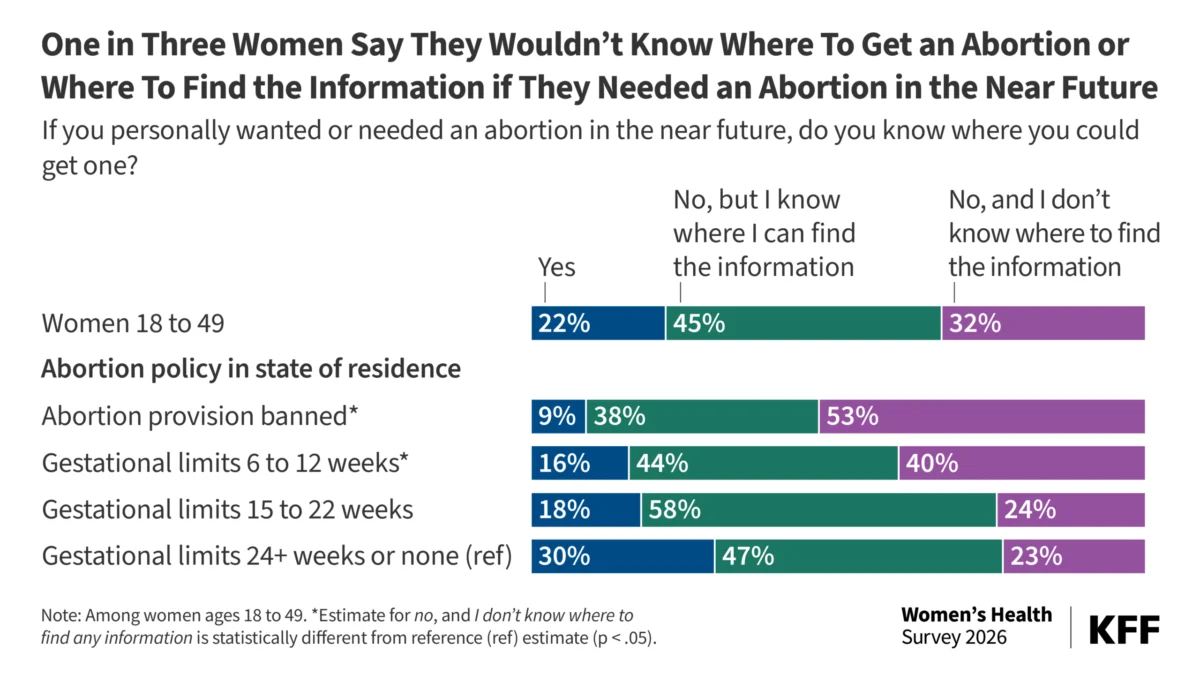
Since the United States Supreme Court’s landmark 2022 decision in Dobbs v. Jackson Women’s Health Organization, the American legal landscape regarding reproductive autonomy has undergone a seismic shift. By overturning the long-standing precedent of Roe v. Wade, the Court effectively dismantled the federal constitutional right to abortion, devolving authority to individual states. As of September 9, 2026, the judiciary has become the primary arena where the battle for bodily autonomy is being waged. From statehouse corridors to the chambers of the Supreme Court, a complex web of litigation is currently defining the boundaries of pregnancy care, contraception, and the limits of state versus federal authority.
The State of Play: A Multidimensional Legal Landscape
The current litigation environment is not a singular conflict but a series of interconnected legal skirmishes. Abortion providers, civil rights advocates, and state attorneys general are navigating a fractured map where rights are often determined by zip code.
The primary driver of this litigation is the tension between state-level bans and constitutional protections. In numerous jurisdictions, plaintiffs are arguing that state-level abortion prohibitions violate their respective state constitutions, asserting that the right to privacy or personal liberty is a localized guarantee that transcends the federal Dobbs ruling. Simultaneously, new, high-stakes questions have emerged regarding the intersection of federal authority—such as the Emergency Medical Treatment and Labor Act (EMTALA)—and state abortion bans. These cases test the extent to which federal law can preempt state restrictions when a patient’s life or health is at risk.
Chronology of Post-Dobbs Judicial Evolution
The post-Dobbs era has evolved through distinct phases:
- The Immediate Aftermath (2022–2023): Following the Dobbs ruling, states with "trigger laws" immediately implemented near-total bans. Early litigation focused on emergency injunctions to halt these statutes while providers scrambled to navigate the sudden shift in clinical practice.
- Expansion of Scope (2024): As the dust settled, legal challenges expanded beyond abortion bans to encompass peripheral reproductive health services, including the availability of medication abortion (mifepristone), the privacy of medical data in a post-surveillance environment, and the rights of minors to access reproductive healthcare without parental notification in restricted states.
- The Federal-State Conflict (2025–2026): We are currently in a phase where federal intervention is being tested. Major lawsuits involving groups of states—both those seeking to protect abortion access and those seeking to restrict it—have created a volatile, nationwide legal patchwork. As of September 2026, the courts are increasingly tasked with deciding if federal mandates for emergency room care supersede state-level criminalization of medical procedures.
Supporting Data: The Geography of Litigation
The KFF analysis of ongoing reproductive health litigation reveals a deeply polarized nation. The scope of these lawsuits is immense, involving dozens of states and multiple legal strategies.
Multi-State Coalitions
A notable trend in 2026 is the emergence of large-scale, multi-state coalitions. For instance, a major suit involving 17 states—including Tennessee, Arkansas, Alabama, Florida, Georgia, Idaho, Indiana, Iowa, Kansas, Missouri, Nebraska, North Dakota, Oklahoma, South Carolina, South Dakota, Utah, and West Virginia—highlights the coordinated efforts to enforce restrictive policies.
Conversely, a broad coalition of states including Washington, Oregon, Arizona, Colorado, Connecticut, Delaware, Illinois, Michigan, Nevada, New Mexico, Rhode Island, Vermont, Hawaii, Maine, Maryland, Minnesota, Pennsylvania, and D.C. has joined forces to challenge various restrictive measures. This demonstrates that for every state seeking to limit reproductive access, there is a counter-effort to secure it through judicial precedent.
Categorical Breakdown of Litigation
The current docket is segmented into seven key areas:
- Pregnancy and Work: Challenges to employment discrimination against pregnant workers.
- Emergency Care: Conflicts involving the standard of care in hospitals under federal mandates.
- Family Planning: Legal protections for contraceptive access.
- Privacy: Protecting reproductive health data from law enforcement and digital surveillance.
- Medication Abortion: Battles over the regulation of mifepristone and telehealth delivery.
- Minors’ Access: Navigating parental consent and judicial bypass laws.
- State Abortion Bans: The direct constitutional challenges to total or near-total prohibitions.
Official Responses and Judicial Stances
The legal strategies employed by both sides are as diverse as the jurisdictions involved.
The Pro-Access Strategy
Attorneys general in states like California and New York are increasingly utilizing "shield laws" to protect providers who offer services to patients traveling from restrictive states. Their legal argument hinges on the commerce clause and the right to travel, asserting that states cannot impose their laws on the medical decisions of citizens crossing state lines.
The Restrictive Strategy
On the opposing side, states like Missouri and Alabama are pushing the limits of regulation. In Missouri, for example, the legal battle includes a complex web of restrictions: a 72-hour waiting period, bans on telehealth for abortion care, and strict definitions of "physical health emergencies." These states argue that their authority to protect fetal life is plenary and that the federal government lacks the jurisdiction to mandate medical procedures that violate local criminal law.
Consolidation and Complexity
The courts are frequently consolidating cases to manage the volume. For example, West Alabama Women’s Center v. Marshall saw multiple clinics and individual physicians join forces to challenge Alabama’s specific applications of abortion law, creating a unified front against state enforcement. Such consolidations are becoming the standard, as the sheer volume of litigation threatens to overwhelm lower court dockets.
Implications for the Future of Reproductive Rights
The implications of this ongoing litigation are profound, reaching far beyond the courtroom and into the daily lives of millions.
The Erosion of Standardized Care
The most immediate impact is the degradation of standardized medical care. Because doctors are increasingly fearful of criminal prosecution, they often delay necessary interventions—even in emergencies—until a patient’s condition is critical. This "chilling effect" is the subject of several active lawsuits, where plaintiffs argue that state bans are causing a public health crisis that outweighs the state’s interest in fetal life.
The Digital Privacy Dilemma
As we move toward the end of 2026, the intersection of privacy and reproductive rights has become a flashpoint. Digital footprints, location data, and search histories are becoming potential evidence in reproductive-related prosecutions. The courts are currently grappling with how to apply existing privacy laws to a digital age where health information is rarely contained within a single doctor-patient relationship.
Long-term Constitutional Questions
The ultimate question remains whether the U.S. will eventually see a federal solution—either through legislative action or a new Supreme Court ruling—or if it will remain a nation of fragmented rights. The 17-state litigation block and the corresponding 18-state pro-access block suggest that the country is moving toward a permanent state of legal gridlock.
Conclusion
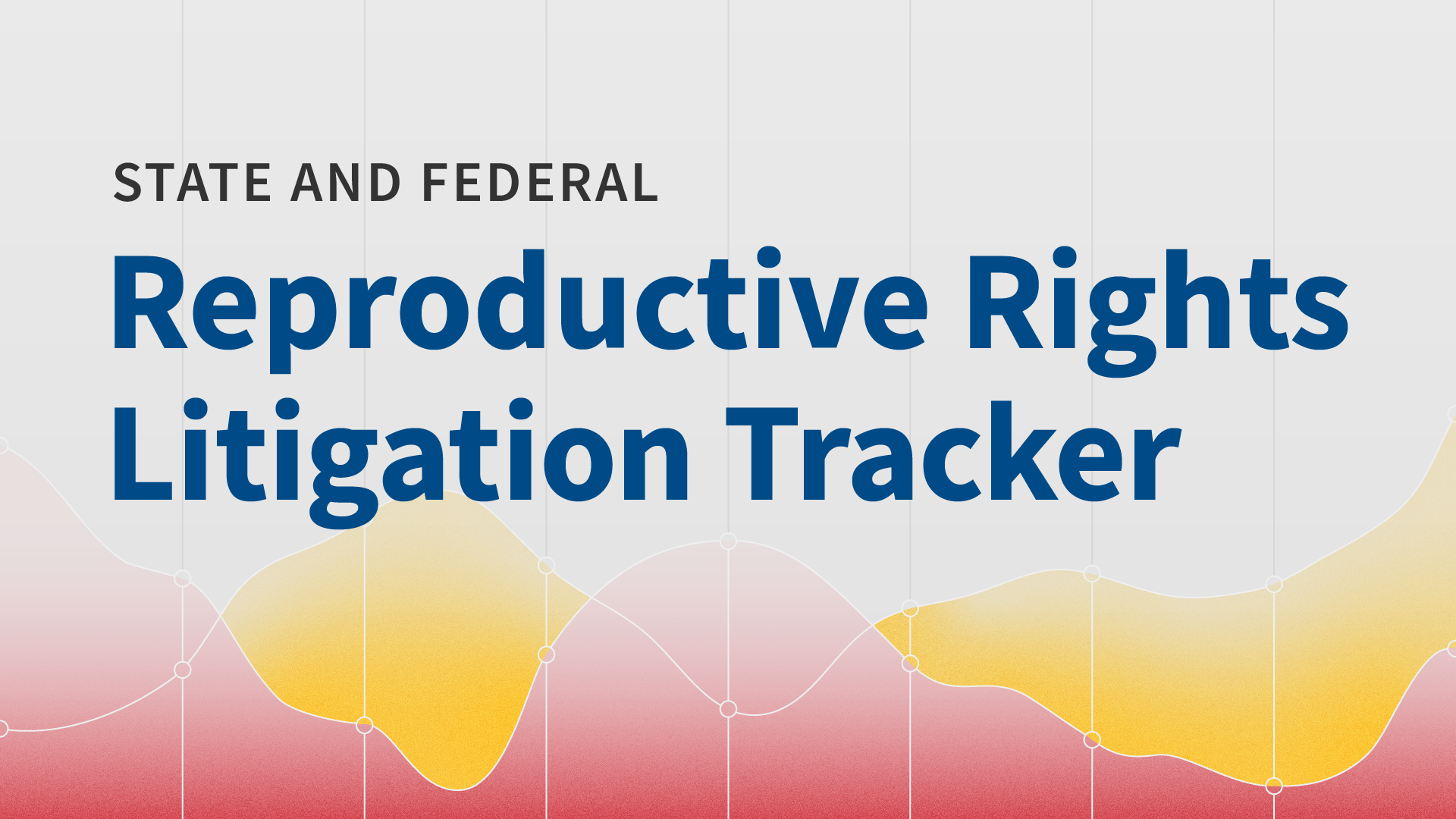
As of September 9, 2026, the state and federal reproductive rights litigation tracker serves as a vital record of a nation in flux. The legal battles are not merely academic; they are defining the fundamental relationship between the individual, the state, and the federal government. With court dockets full and legislative sessions in various states poised to introduce even more restrictive or protective measures, the judicial system will remain the final arbiter of what, exactly, the "right to reproductive health" means in modern America.
For providers, patients, and policymakers, the message is clear: the post-Dobbs landscape is dynamic, unpredictable, and far from settled. As the courts continue to deliberate, the legal outcomes will dictate the standard of care and the scope of liberty for the next generation of Americans.


 Neng Nana