



 Nana Wu
In an era where e-commerce dominates the retail landscape, the ability to discern a genuine bargain from marketing noise has become a critical financial skill. With millions of products just a click away, consumers are often overwhelmed by dynamic pricing, algorithmic marketing, and an endless stream of "flash" sales. For the savvy consumer, the difference between a successful purchase and a wasted budget lies in strategy, timing, and the utilization of data-driven tools.
This guide explores the mechanisms behind online pricing, the psychology of scarcity, and the systematic approaches required to secure the best value in a volatile digital marketplace.

The Mechanics of Online Pricing and Why Deals Disappear
The digital marketplace is governed by sophisticated algorithms that adjust prices in real-time based on demand, inventory levels, and even the user’s browsing history. The "best deals" are rarely static; they are fleeting opportunities created by inventory liquidation, seasonal shifts, or competitive matching.
The Psychology of Scarcity
Retailers utilize the "fear of missing out" (FOMO) to drive conversions. When a product is tagged with a "low stock" warning or a ticking countdown clock, it triggers a psychological response that encourages impulsive purchasing. Understanding that this is often a calculated marketing tactic is the first step toward smarter shopping. While some scarcity is legitimate—especially during peak seasons like Black Friday or Cyber Monday—much of it is designed to bypass the consumer’s critical thinking process.

Inventory Dynamics
Inventory levels serve as the most reliable indicator of a deal’s authenticity. When a retailer has excess stock of a seasonal item, they are incentivized to slash prices to free up warehouse space. Conversely, when a product gains social media traction, retailers may increase prices to capitalize on the surge in demand. Savvy shoppers track these inventory fluctuations using browser extensions, allowing them to time their purchases when supply is high and demand is stable.
A Chronology of Savings: When to Buy
Smart shopping is inherently linked to the retail calendar. While daily deals are common, there are specific periods throughout the year when price floors are significantly lower.

- Q1 (January–March): This is the prime season for clearance. Retailers are eager to offload winter inventory and holiday returns, making it an excellent time to purchase electronics, home goods, and winter apparel.
- Q2 (April–June): As the weather turns, spring cleaning initiatives lead to sales in home organization, garden equipment, and early-season fashion.
- Q3 (July–September): Mid-year sales events, often tied to "Prime Day" style promotions across various platforms, create mid-summer price drops. This is also a critical window for "Back to School" deals.
- Q4 (October–December): The retail year concludes with the most aggressive discounting periods. From early October previews to the post-Christmas "Boxing Day" sales, this is when luxury items and high-end electronics see their deepest discounts.
Supporting Data: The Impact of Systematic Shopping
Recent economic studies suggest that consumers who employ a "wait-and-verify" strategy—where they track price history before committing to a purchase—save an average of 15% to 22% annually compared to those who shop impulsively.
The Power of Price History Tools
Utilizing tools that provide historical price data is the most effective way to avoid "fake" discounts. Retailers occasionally inflate the "original price" (MSRP) to make a current discount appear more substantial. A price history chart reveals if the item was actually sold at that higher price point recently or if the "sale" is merely a standard price point disguised as a deal.
The Role of Coupon Stacking
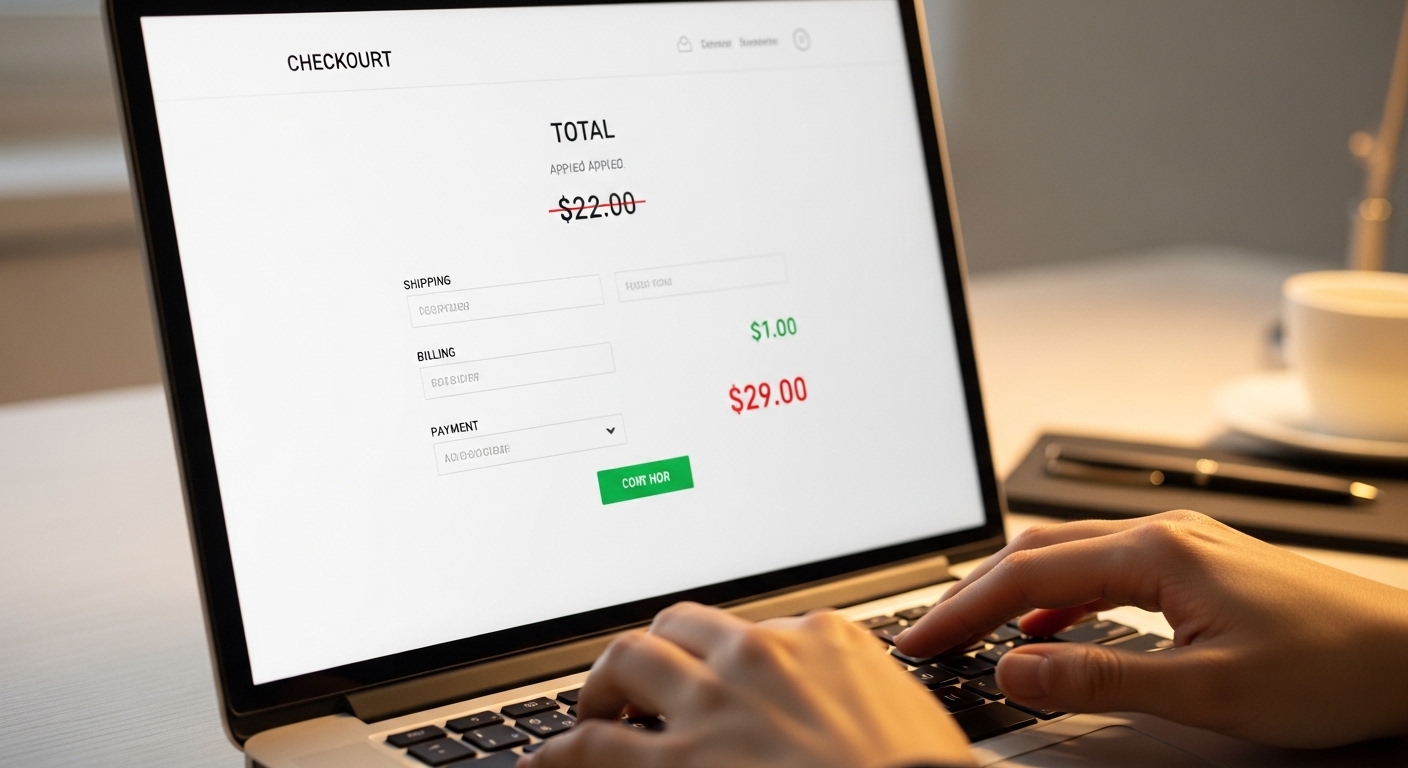
Coupon stacking—the practice of applying a store-wide discount, a loyalty reward, and a cashback offer simultaneously—remains the gold standard for maximizing value. Data shows that users who utilize browser-based cashback portals earn an average of 3% to 5% back on every transaction, which, when compounded over a year of regular online shopping, results in hundreds of dollars in recouped capital.
Official Retailer Perspectives: Why They Offer Discounts
From a corporate perspective, discounts are not merely altruistic gestures; they are strategic maneuvers. Retailers use sales to:

- Acquire New Customers: First-order discounts are loss-leaders designed to pull a customer into the brand ecosystem.
- Move Stagnant Inventory: Carrying costs for unsold goods are high; selling at a reduced margin is often more profitable than warehousing dead stock.
- Drive Traffic: Flash sales act as magnets for website traffic, increasing the likelihood that customers will browse (and purchase) full-priced items alongside the discounted ones.
Implications for the Modern Consumer
The shift toward digital-first shopping has significant implications for personal financial management. The convenience of one-click ordering, while beneficial, removes the friction that often prevents overspending.
The "Cart Abandonment" Strategy
One of the most effective, yet underutilized, methods of securing a discount is the "abandoned cart" technique. By adding items to your digital shopping cart and closing the browser without completing the purchase, you trigger automated email marketing sequences. Many retailers, particularly in the apparel and subscription service sectors, will send a follow-up email within 24 to 48 hours containing a "come back and finish your order" discount code to entice the conversion.

The Value of Loyalty Programs
While it is common to be wary of email spam, subscribing to the newsletters of primary retailers is a highly effective strategy for the proactive shopper. "Insiders-only" sales, birthday discounts, and exclusive early access to major events are often communicated solely through these channels. The implication is clear: in the digital age, data is currency. By trading your email address for access to a loyalty program, you gain entry to a tier of pricing not visible to the general public.
Best Practices: A Checklist for Success
To ensure every online purchase is optimized for value, follow these professional guidelines:

- Audit Before You Act: Before finalizing any checkout, perform a quick search for the product on at least two competitor sites to ensure price parity.
- Leverage Browser Extensions: Use automated tools that scan for active coupon codes at the point of purchase.
- Evaluate the "Total Cost": A discount on a product is negated if the shipping costs are exorbitant. Always calculate the "landed price"—the total cost including taxes and shipping—before deciding if a deal is truly worth it.
- Check Social Proof: Read the reviews, but look for patterns. If multiple reviewers mention the same quality issue, the item is not a deal at any price.
- Maintain a Budget: Even the best deal is a bad financial decision if it falls outside of your planned expenditures.
Conclusion: The Long-Term View
Finding the best deals online is not a one-time event; it is a discipline. By combining the use of technological tracking tools with an understanding of retail cycles and consumer psychology, shoppers can significantly optimize their purchasing power.
The goal of the modern, smart shopper should not be to spend as little as possible, but to ensure that the value received is always greater than the capital expended. As digital marketplaces continue to evolve, the tools and strategies outlined here will remain the foundational pillars for anyone looking to navigate the complex, rewarding world of online retail. Through consistency, awareness, and a strategic approach, you can transform the way you shop, turning every purchase into an opportunity for financial growth.


 Neng Nana
 Laily UPN