


 Asep Darmawan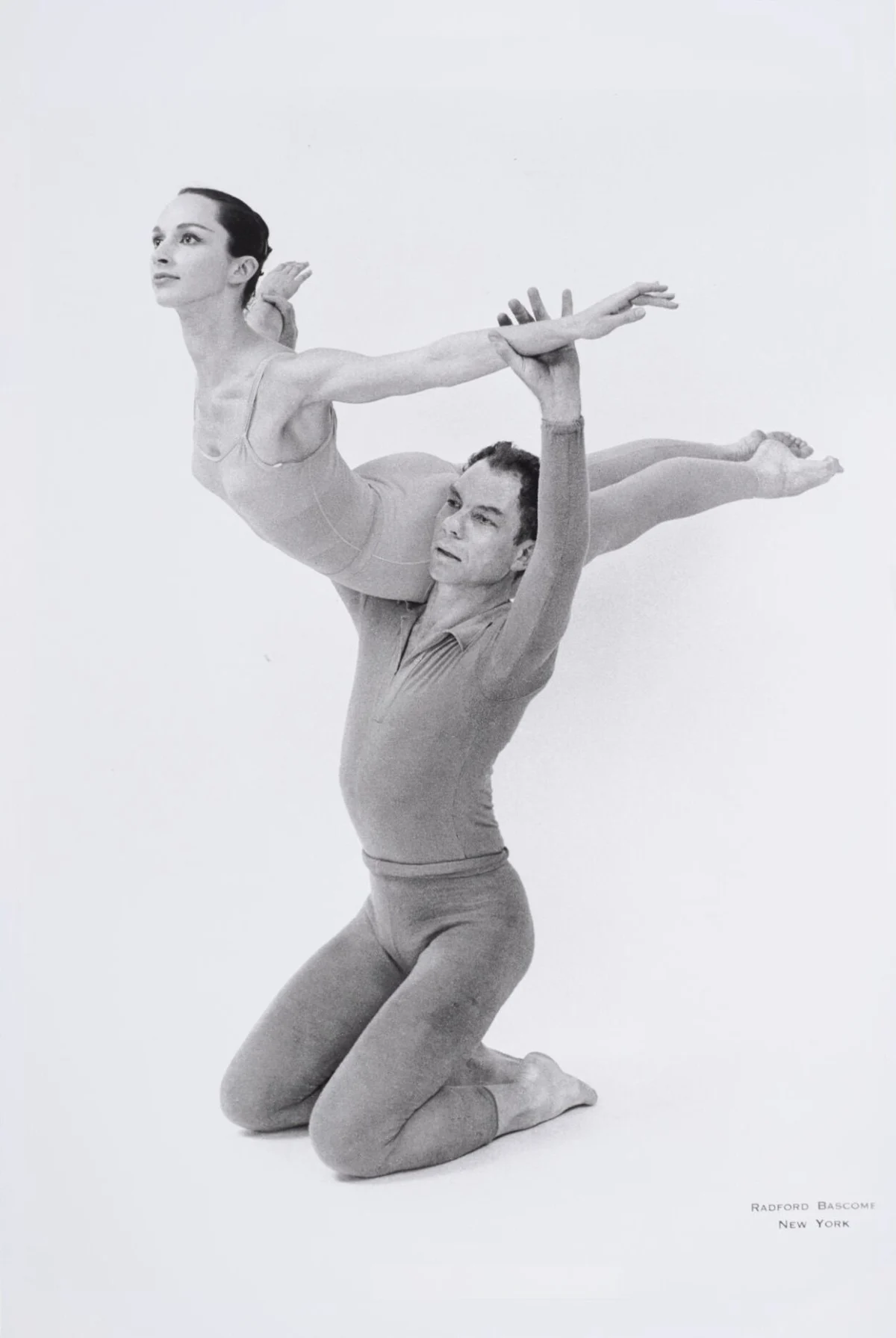
The Walker Art Center today celebrates the enduring influence of the legendary dancer, choreographer, and archivist Carolyn Brown (1927–2025). As a founding member of the Merce Cunningham Dance Company (MCDC), Brown was a pivotal figure in the evolution of modern dance, helping to translate the avant-garde sensibilities of the 20th century into a new, kinetic language. Her passing earlier this year marked the end of an era, but her presence remains anchored at the Walker through a generous bequest from her estate: two significant works by Robert Rauschenberg—White Walk (1970) and New Painting (1962).
These pieces, which remained in Brown’s personal collection until her passing on January 7, 2025, serve as a bridge between the Walker’s extensive holdings of Rauschenberg’s oeuvre and the institution’s deep, long-standing relationship with the Cunningham legacy.
The Formative Years: Defining a Modern Aesthetic
Carolyn Brown’s artistic trajectory was defined by a commitment to innovation and rigorous technical training. Her early education was steeped in the pioneering Denishawn technique, passed down through her mother, Marion Rice. This foundation, combined with the disciplined Cecchetti ballet method—taught by British luminaries Antony Tudor and Margaret Craske at Juilliard—provided Brown with a rare technical versatility.
In 1953, Brown became a cornerstone of the Merce Cunningham Dance Company during its debut at Black Mountain College’s Summer Institute of the Arts. Over the next two decades, she originated roles in more than 40 of Cunningham’s works, effectively defining the ensemble’s groundbreaking modernist aesthetic. Her performance history extended beyond the MCDC, as she became a vital collaborator in the experimental art scene. She famously appeared in John Cage’s Theatre Piece (1960)—widely regarded as the first "happening"—and Robert Rauschenberg’s Pelican (1963).
Chronology: A Career of Artistic Milestones
- 1953: Joins the Merce Cunningham Dance Company at Black Mountain College.
- 1960: Performs in John Cage’s Theatre Piece, a landmark moment in performance art.
- 1962: Robert Rauschenberg creates New Painting, a work that would eventually find a permanent home in Brown’s collection.
- 1963: Performs in Rauschenberg’s Pelican.
- 1967, 1969, 1972: Conducts major residencies at the Walker Art Center.
- 1972: Departs the MCDC, shifting focus to coaching and administration.
- 1980–1982: Serves as the Dean of the Dance Department at Purchase College.
- 2007: Publishes Chance and Circumstance: Twenty Years with Cage and Cunningham, an essential historical chronicle.
- 2011: Interviews with Walker research fellow Abigail Sebaly to provide context for the museum’s Cunningham archive.
- 2025: Passes away on January 7; bequeaths two Rauschenberg works to the Walker Art Center.
A Deep Connection to the Twin Cities
Brown’s relationship with the Walker Art Center was far more than transactional; it was a deeply collaborative partnership. Between 1967 and 1972, the Walker hosted three extensive residencies for the MCDC, during which Brown became a familiar face in the Minneapolis arts community.
During the 1967 residency, Brown and Cunningham conducted master classes for over 55 students, bridging the gap between professional avant-garde dance and the local youth. In a letter to the Walker’s then-Performing Arts coordinator, John Ludwig, Brown expressed her delight in the experience: "It’s still a delicious shock to discover one’s needs have been anticipated and looked after with such skill! Many, many thanks—I enjoyed the two weeks in Minneapolis far more than I expected."
Her engagement with the city continued through performances in local schools and galleries. On March 12, 1972, she performed Event #32 amidst the Walker’s galleries during the Bill Brandt: Photographs exhibition, showcasing the flexibility of the Cunningham method and its ability to activate non-traditional performance spaces.
The Rauschenberg Connection: An Artistic Symbiosis
The gift of White Walk and New Painting to the Walker is the final chapter of a lifelong friendship between Brown and Robert Rauschenberg. Rauschenberg served as the MCDC’s resident designer until 1964, and Brown often spoke of his "unbelievable imagination."
In a 2011 interview with the Walker’s Cunningham research fellow, Abigail Sebaly, Brown elaborated on the creative synergy between the dancer and the artist. Their bond was cemented by mutual respect and a shared desire to push the boundaries of their respective media. A handwritten note from Brown to Rauschenberg, dated December 22, 1987, famously stated, "New Painting will never be sold," reflecting her deep personal attachment to the piece.
Analyzing the Gift
The two works now entering the Walker’s permanent collection provide a nuanced look at Rauschenberg’s evolution:
- New Painting (1962): This piece captures a critical juncture in Rauschenberg’s career. It documents his early experimentation with the silkscreen process—a technique that would dominate his output throughout the 1960s and shift the course of American Pop Art.
- White Walk (1970): As part of the Stoned Moon series, this lithograph reflects the intersection of the space race and the art world. Commissioned by NASA to witness the Apollo 11 launch, Rauschenberg produced a suite of works that distilled the cultural zeitgeist of the late 60s, blending high-tech imagery with an evocative, painterly sensibility.
The Walker, which already holds over 150 works by Rauschenberg, views these additions as essential components that contextualize the artist’s broader influence on the mid-century avant-garde.
Institutional Legacy and the Future of Dance Archives
Following the dissolution of the MCDC in 2011, the Walker Art Center became the custodian of an extensive archive containing over 4,300 costumes, set designs, posters, and photographs. This collection serves as a living library of 150 of Cunningham’s choreographic works. Brown’s active participation in documenting these items—providing oral histories and contextual background—was vital to the museum’s ability to present these materials with historical accuracy.
Her commitment to education and preservation remains a model for artists and collectors alike. Beyond her performance work, Brown’s memoir, Chance and Circumstance, stands as perhaps her greatest contribution to the field, offering a candid and detailed account of the artistic environment that birthed modern dance.
How to Support the Walker’s Legacy
The Walker Art Center continues to thrive through the generosity of donors who view their collections as instruments of cultural stewardship. The process for donating works of art is rigorous, ensuring that each addition aligns with the museum’s mission to provide context and care for significant historical artifacts.
For those inspired by Carolyn Brown’s example, the Walker offers several avenues for planned giving. Whether through the donation of specific pieces of art or inclusion in the museum’s estate plans, these contributions guarantee that the history of contemporary art is preserved for future generations.
Inquiries regarding planned giving or art donations can be directed to:
- Website: walkerart.org/legacycircle
- Contact: Michelle Poss, 612.375.5838
As we reflect on the life of Carolyn Brown, we are reminded that art is not static. Through her dances, her writing, and her final gift of these Rauschenberg masterpieces, Brown has ensured that the "delicious shock" of discovery—a feeling she once described in her letter to the Walker—will continue to resonate with audiences for decades to come.
Special thanks to Claudia La Rocco for providing historical insight and background for this article.

 Evan Lee Salim
 Laily UPN