


 Sagoh
Sagoh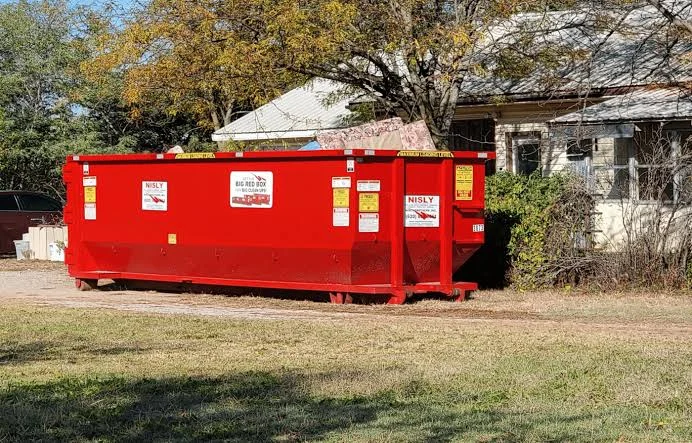
In the rapidly densifying landscape of modern American cities, the "urban squeeze" has transformed routine construction logistics into a high-stakes game of regulatory compliance. For developers, contractors, and restoration specialists operating in historic districts, downtown corridors, and mixed-use neighborhoods, the simple act of placing a temporary dumpster has evolved far beyond a mere waste management decision. It is now a complex intersection of municipal code, public safety standards, and civil engineering.
In these environments, space is a finite and fiercely protected public asset. When a construction project lacks the luxury of on-site staging, the "Right-of-Way" (ROW) becomes the only viable theater of operations. However, occupying this space requires a sophisticated understanding of local governance and a proactive approach to risk management.
Main Facts: Defining the Right-of-Way and Regulatory Scope
At its core, a public right-of-way is any land or infrastructure owned or managed by a government entity for the purpose of public movement or utility access. While the most obvious examples are active traffic lanes, the definition is much broader in a legal and regulatory context.
What Constitutes a Right-of-Way?
A ROW typically encompasses:
- The Travelway: Active lanes for vehicular traffic.
- The Parking/Curb Lane: Often the primary target for dumpster placement but subject to "No Parking" and "Tow Zone" restrictions.
- Sidewalks and Pedestrian Paths: Highly sensitive areas where ADA (Americans with Disabilities Act) compliance is mandatory.
- Alleys and Utility Corridors: Often used for service access but critical for fire department ingress and egress.
- Parkways and Verges: The unpaved areas between the sidewalk and the street.
The Regulatory Framework
Placing a dumpster in these areas is legally classified as a "temporary encroachment." Because this encroachment can impede the flow of traffic, delay emergency services, or damage public property, it is governed by a patchwork of local ordinances. There is no federal standard; a contractor moving a project just five miles across a municipal border may find themselves subject to entirely different permitting fees, duration limits, and safety marking requirements.
Failure to navigate these facts leads to immediate operational friction. Unauthorized containers are frequently subject to "stop-work" orders, heavy fines—which can range from $250 to over $1,000 per day—and the forced relocation of the unit at the contractor’s expense.
Chronology: The Lifecycle of a Right-of-Way Dumpster Placement
Managing waste logistics in a permit-restricted zone is a chronological process that must begin long before the first sledgehammer swings.
1. The Pre-Construction Assessment (Weeks 1-4)
During the planning phase, project managers must conduct a site survey. This involves measuring the available curb space, identifying fire hydrants, and noting proximity to intersections or bus stops. In cities like Boston or San Francisco, a dumpster cannot be placed within a certain distance of a crosswalk to maintain "sight triangles" for drivers.
2. The Application and Review Phase (Weeks 4-6)
Once the site is assessed, the permit application is submitted to the Department of Public Works (DPW) or the Department of Transportation (DOT). This phase requires detailed documentation, including site maps and, in some cases, traffic control plans (TCPs). High-traffic districts may require a "Maintenance of Traffic" (MOT) plan, showing how pedestrians will be rerouted if the sidewalk is obstructed.

3. Delivery and Site Preparation (Day 1)
Upon approval, the dumpster is delivered. In restricted zones, this often occurs during "off-peak" hours (e.g., 4:00 AM to 6:00 AM) to avoid gridlock. The site must be prepared with "street pads" or plywood to protect the asphalt, and barricades must be positioned according to the permit’s safety specifications.
4. Active Monitoring and Renewal (Ongoing)
Permits for right-of-way occupancy are rarely open-ended. Most cities issue 7-day, 14-day, or 30-day permits. Contractors must track these expiration dates with the same rigor they apply to their construction schedules. A single day of expired occupancy can trigger a citation that negates the profit margin of a small renovation.
5. Removal and Site Restoration (Project Close)
The final stage involves the "hauling" of the container and a subsequent inspection of the public infrastructure. If the dumpster has caused cracks in the sidewalk or ruts in the street, the contractor is held financially responsible for the restoration.
Supporting Data: Technical Constraints and Safety Standards
The logistics of urban dumpster rentals are dictated by the physics of the equipment and the fragility of public infrastructure.
Weight and Pressure Logistics
A standard 30-yard dumpster can weigh up to 4 tons when empty. When filled with "heavy debris" like masonry, concrete, or roofing shingles, the total weight can exceed 10 to 12 tons. This creates immense "point loading" on the street surface.
- Data Point: Many urban streets are designed for a specific PSI (pounds per square inch). Concentrated loads from dumpster "feet" can punch through aged asphalt, especially during summer months when the pavement is soft.
- Mitigation: The use of 2×10 lumber or heavy-duty plastic street pads is often a required permit condition to distribute this weight.
Pedestrian and ADA Compliance
In dense urban cores, the sidewalk is a critical artery. The Americans with Disabilities Act (ADA) requires that a "clear path of travel" be maintained.
- Technical Requirement: Generally, a minimum of 48 inches (4 feet) of unobstructed sidewalk must remain. If a dumpster placement reduces this width, the contractor may be required to build a temporary "covered walkway" or a ramp-accessible bypass in the parking lane.
Visibility and Lighting
Because dumpsters are "unyielding objects," they pose a significant risk to motorists and cyclists at night.
- Safety Standards: Most municipal codes require "Type 2" barricades with flashing amber lights and reflective "conspicuity tape" on the corners of the container. In high-density zones, some cities require the dumpster to be painted a specific high-visibility color.
Official Responses: The Municipal Perspective
To understand why these regulations are so stringent, one must look at the official priorities of city governments. Interviews and policy statements from urban planning departments consistently highlight three primary concerns:
1. Emergency Response Access:
Fire departments are often the loudest voices in the room regarding right-of-way permits. A dumpster placed too close to a corner can prevent a ladder truck from making a turn, and a container blocking a fire hydrant is a life-safety violation. "Every second counts in a structural fire," notes a typical DPW guideline. "Public infrastructure must remain porous enough for emergency services to penetrate."

2. Preservation of Public Assets:
Cities view their streets and sidewalks as multi-billion dollar assets. Municipal officials respond to dumpster placement as a form of "managed degradation." By requiring permits and bonds, they ensure that the private cost of doing business does not become a public cost for infrastructure repair.
3. Economic Vitality and Neighborhood Friction:
In mixed-use zones, a dumpster is more than a waste bin; it is a neighbor. Retailers often complain that dumpsters block the visibility of their storefronts or create "dead zones" that discourage foot traffic. Official responses often include "blackout dates"—times during major festivals, parades, or holiday shopping seasons when all dumpsters must be removed from the right-of-way to facilitate commerce.
Implications: Risk Management and Project Stability
The implications of mismanaging these logistics extend far beyond a simple fine. For the modern contractor, dumpster placement is a core component of risk management.
Liability Exposure
If a pedestrian trips over a dumpster’s stabilizing leg or a cyclist strikes an unlit container, the liability rests primarily with the permit holder. Without a valid permit and documented adherence to safety markings, a contractor’s insurance carrier may have grounds to deny coverage, citing "negligent operation" or "violation of local ordinance."
The "Just-in-Time" Debris Model
In restricted zones, debris cannot be allowed to accumulate on the ground due to lack of space. This creates a "Just-in-Time" (JIT) requirement for waste removal. If a hauler is delayed because they cannot access the right-of-way during restricted hours, the entire job site grinds to a halt. The debris-generating phases—demolition and framing—are the most sensitive to these delays.
Professional Credibility
In the construction industry, reputation is currency. Contractors who frequently receive citations or "stop-work" orders develop a negative profile with the local building department. This can lead to increased scrutiny on future projects, slower permit approvals, and a strained relationship with the community.
Centralized Coordination as a Solution
Given the complexity of multi-jurisdictional rules, many firms are turning to centralized services like Temporary Dumpster to manage the administrative burden. These services act as a buffer, ensuring that the specific permit requirements of a historic district in one city are met with the same precision as a downtown corridor in another. Centralization provides a "single pane of glass" for tracking permit expirations, safety documentation, and hauling schedules.
Conclusion: The Future of Urban Waste Logistics
As cities continue to grow upward rather than outward, the competition for curb space will only intensify. The era of "dropping a bin" and forgetting about it is over. Today, the successful execution of a construction project in a permit-restricted zone requires a blend of logistical precision and regulatory diplomacy.
By integrating right-of-way strategy into the earliest stages of pre-construction planning, contractors can transform a potential bottleneck into a streamlined process. Understanding that the street is a shared public resource—and treating it with the requisite care—is no longer just about following the rules; it is the hallmark of a professional operation in the 21st-century urban environment.


 Azzam Bilal Chamdy
 Reynand Wu