

 Laily UPN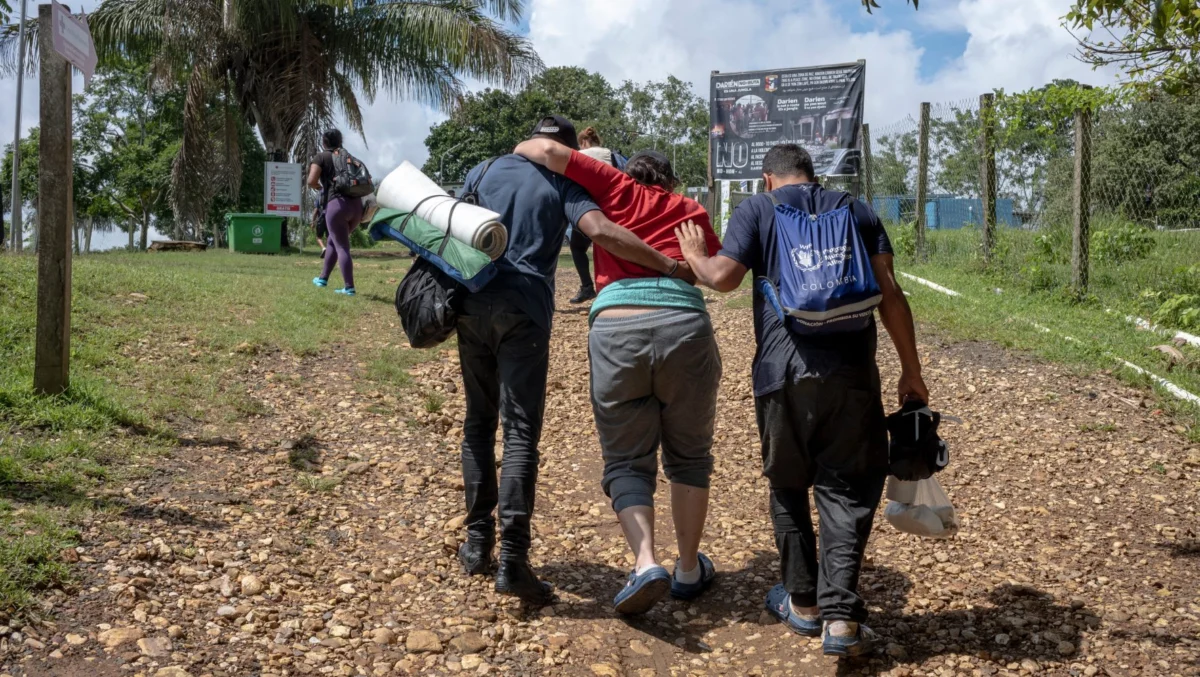
By Noah Gottschalk, Chief External Relations Officer
June 18, 2026
As the international community approaches World Refugee Day on June 20, the occasion serves a dual purpose. It is, first and foremost, a global celebration of the resilience and indomitable spirit of those who have been forced to flee their homes due to conflict, persecution, and climate instability. It is a moment to honor the contributions of both the iconic figures of history—such as scientist Albert Einstein, Olympic swimmer Yusra Mardini, and artist Marc Chagall—and the millions of "unsung heroes" currently living in our communities: the teachers, nurses, construction workers, and bus drivers who enrich our societies daily.
However, June 20 is also a day for sober, critical reflection. It marks the annual release of the UNHCR’s Global Trends report, a comprehensive data set that functions as a grim "report card" for the international community. By analyzing the numbers of refugees, internally displaced persons (IDPs), and those returning home, we can measure our collective progress—or lack thereof—in addressing the greatest humanitarian crisis of our time.
The State of Global Displacement: A Statistical Overview
The data from 2025 provides a complex, often contradictory narrative. For the first time in several years, the total number of forcibly displaced people worldwide saw a marginal decline, dropping from 123 million in 2024 to 117.8 million at the end of 2025. While any decrease in these numbers might at first glance appear to be a cause for optimism, a deeper analysis reveals a far more precarious reality.
The primary driver of this reduction was the return of approximately 15 million refugees and IDPs to their places of origin. However, according to the UNHCR, a significant portion of these returns occurred under deeply adverse circumstances. Many individuals were compelled to return to areas where insecurity remains rampant, infrastructure is severely damaged, and access to basic services—such as healthcare, clean water, and education—is largely non-existent. These "forced returns" raise urgent concerns regarding the sustainability of such movements and the extreme protection risks faced by those who have been pressured to go back prematurely.
Despite this slight statistical dip, the scale of the crisis remains staggering. One in every 70 people on Earth is currently displaced. The global displaced population is nearly double what it was just a decade ago, indicating that while we may be seeing temporary fluctuations in total numbers, the underlying structural drivers of displacement—protracted conflicts, systemic state failure, and environmental degradation—remain largely unaddressed.
Chronology of Crisis: Why the Numbers Persist
The trajectory of global displacement over the past few years has been defined by a series of cascading crises. To understand the current landscape, one must look at the geographic and political origins of these movements.
- 2023–2024: The conflict in Sudan emerged as the world’s largest internal displacement crisis, pushing millions across borders into neighboring Chad and South Sudan. Simultaneously, the fallout from prolonged instability in Syria and Afghanistan continued to anchor the list of countries with the highest number of displaced citizens.
- Late 2024: The global political climate began to shift, with several high-income nations implementing stricter border control policies and reducing refugee resettlement quotas.
- Early 2025: Significant pressure was applied to displaced populations in regions like Pakistan and Iran, resulting in the forced return of over 85,000 Afghan refugees in a matter of weeks, highlighting the instability of "host" environments.
- Mid-2026: As we approach World Refugee Day, the international community finds itself at a crossroads. The reliance on low- and middle-income countries to host the vast majority of the world’s refugees has reached a breaking point, necessitating a fundamental rethinking of international responsibility-sharing.
Supporting Data: Who Hosts the World’s Vulnerable?
One of the most persistent myths in political discourse is that the world’s wealthiest nations bear the brunt of the global refugee crisis. The 2025 data systematically dismantles this narrative.
The Burden on Developing Nations
Last year, high-income countries hosted only 29% of the world’s refugees. In stark contrast, low- and middle-income nations—many of which are already struggling with internal economic and security challenges—provided shelter for the overwhelming majority. Most strikingly, the world’s least developed countries, which cumulatively represent barely 1% of the global GDP, hosted nearly 26% of all refugees.
The Six-Country Reality
More than one-third of all individuals in need of international protection are concentrated in just six countries.
- Colombia: Leading the list, Colombia hosted 2.8 million displaced people in 2025. HIAS has been on the ground there, working alongside Venezuelan refugees, Colombian returnees, and local host communities to foster integration and economic stability.
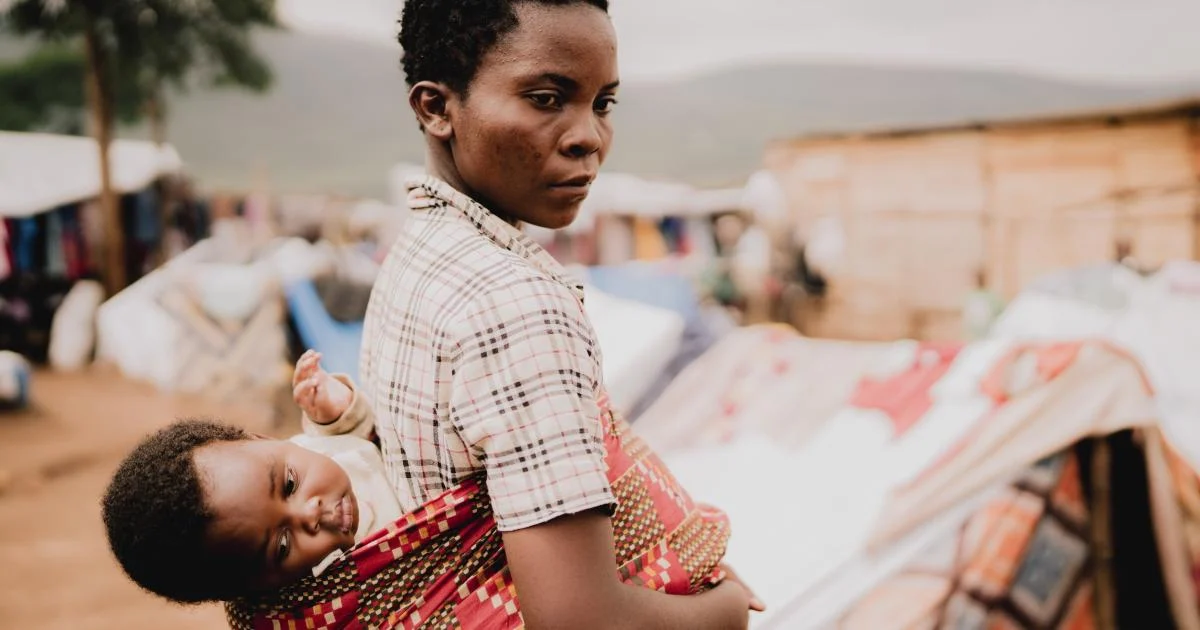
- Chad: As a frontline state for the crisis in Sudan, Chad now hosts 1.5 million displaced individuals. HIAS’s twenty-year presence in the region has focused on delivering critical mental health support and economic empowerment programs, proving that even in resource-constrained environments, protection can lead to resilience.
These nations demonstrate that when protection is matched with opportunity, displaced individuals are not merely "burdens"—they are active participants in the economic and social fabric of their host nations.
The Collapse of Resettlement Pathways
Perhaps the most alarming trend identified in the 2025 data is the precipitous decline in international resettlement. Resettlement is a lifesaving, durable solution for the most vulnerable refugees—those who cannot return home and remain at acute risk in their current countries of asylum.
The global need for resettlement currently sits at an estimated 2.9 million people. Yet, in 2025, only 81,800 people were granted access to this pathway, representing less than 3% of the total need. This failure is largely attributed to policy shifts in the United States. Under the Trump administration’s revised approach to the U.S. Refugee Admissions Program, the number of refugees resettled in the U.S. plummeted by 89% from the previous year, totaling just 11,500 individuals.
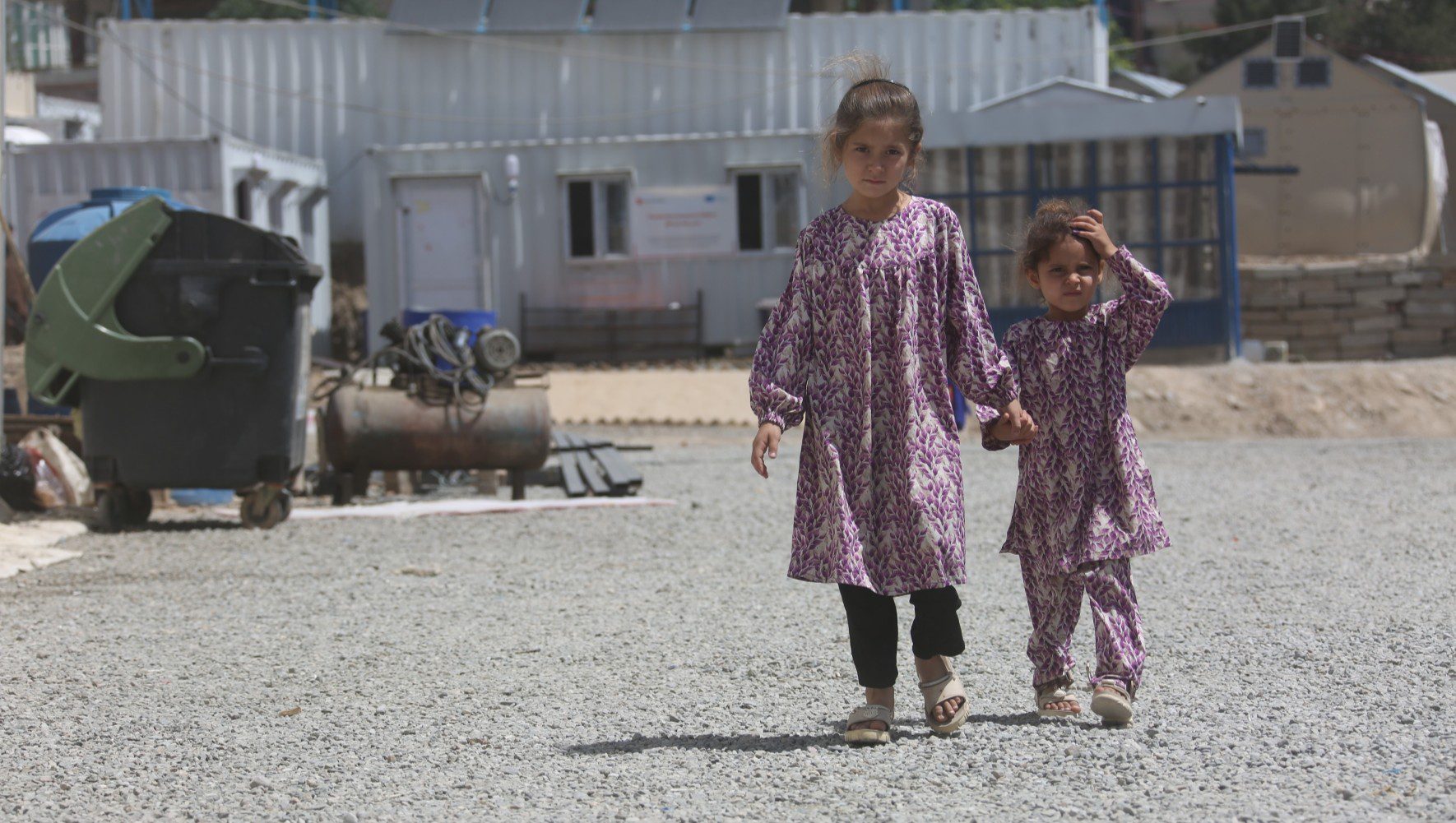
While other nations have attempted to fill the void, the results have been mixed. Canada, historically a leader in resettlement, saw its admissions drop by 21% to 38,800. Only Australia showed an increase, raising its admissions by 9% to 18,800. These figures represent a profound moral and operational failure. When the world’s most powerful nations close their doors, the humanitarian impact is felt immediately in the makeshift camps of Kabul, the border regions of Chad, and the transit hubs of Colombia.
Implications: The Path Forward
The data provided by the UNHCR is clear: we are failing to provide adequate protection to the world’s most vulnerable. The implications of this failure are long-term and multifaceted.
- Premature Return is not a Solution: Pushing refugees back to countries that remain unstable does not end the cycle of displacement; it merely resets it. International policy must prioritize the voluntary, safe, and dignified return of refugees only when conditions are objectively conducive to long-term survival.
- Responsibility-Sharing is Essential: The current model, which forces the world’s poorest nations to host the world’s most vulnerable, is unsustainable. We require a global compact that provides robust financial and technical support to host countries like Colombia and Chad, ensuring they have the resources to provide basic rights and services.
- Restoring Resettlement: Resettlement is not a charitable option; it is a pillar of international law and a necessary tool for global stability. The sharp decline in U.S. resettlement must be reversed to ensure that the most vulnerable individuals are not left in permanent limbo.
Conclusion: Looking Toward 2027
As we mark World Refugee Day 2026, the global community faces a stark choice. We can continue to view displacement through the lens of political expediency, allowing the numbers to fluctuate while human suffering grows in the shadows. Or, we can acknowledge the root causes of these crises—the political instability, the conflict, and the lack of opportunity—and commit to systemic change.
The scale of the challenge is nearly twice as great as it was ten years ago. However, this is not an insurmountable problem. With concerted diplomatic action, a renewed commitment to international human rights law, and the political will to expand protection pathways, we can change the trajectory.
The goal for June 2027 is clear: to look back on a year defined by progress rather than stagnation. We must strive for a world where refugees are no longer seen as a crisis to be managed, but as individuals whose rights, protection, and well-being are fundamental to the safety and prosperity of the entire global community. Your support—through advocacy, awareness, and direct humanitarian assistance—is the catalyst for this transformation. As we honor the resilience of those who have fled, let us pledge to ensure that their next chapter is one written in safety, dignity, and hope.

 Nana Muazin
 Pevita Pearce