

 Ali Ikhwan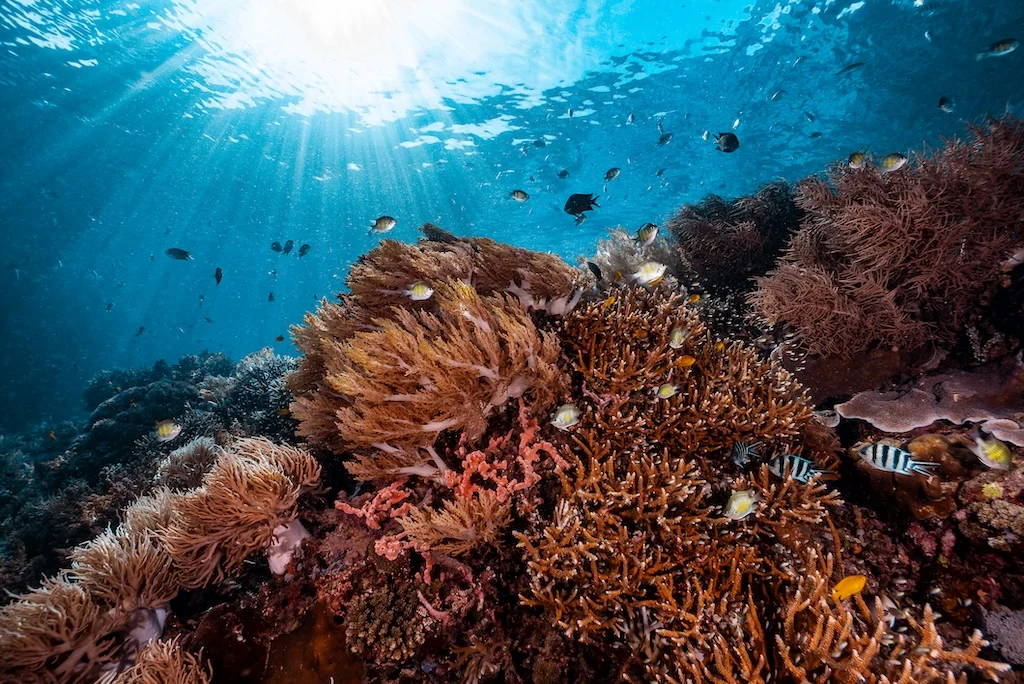
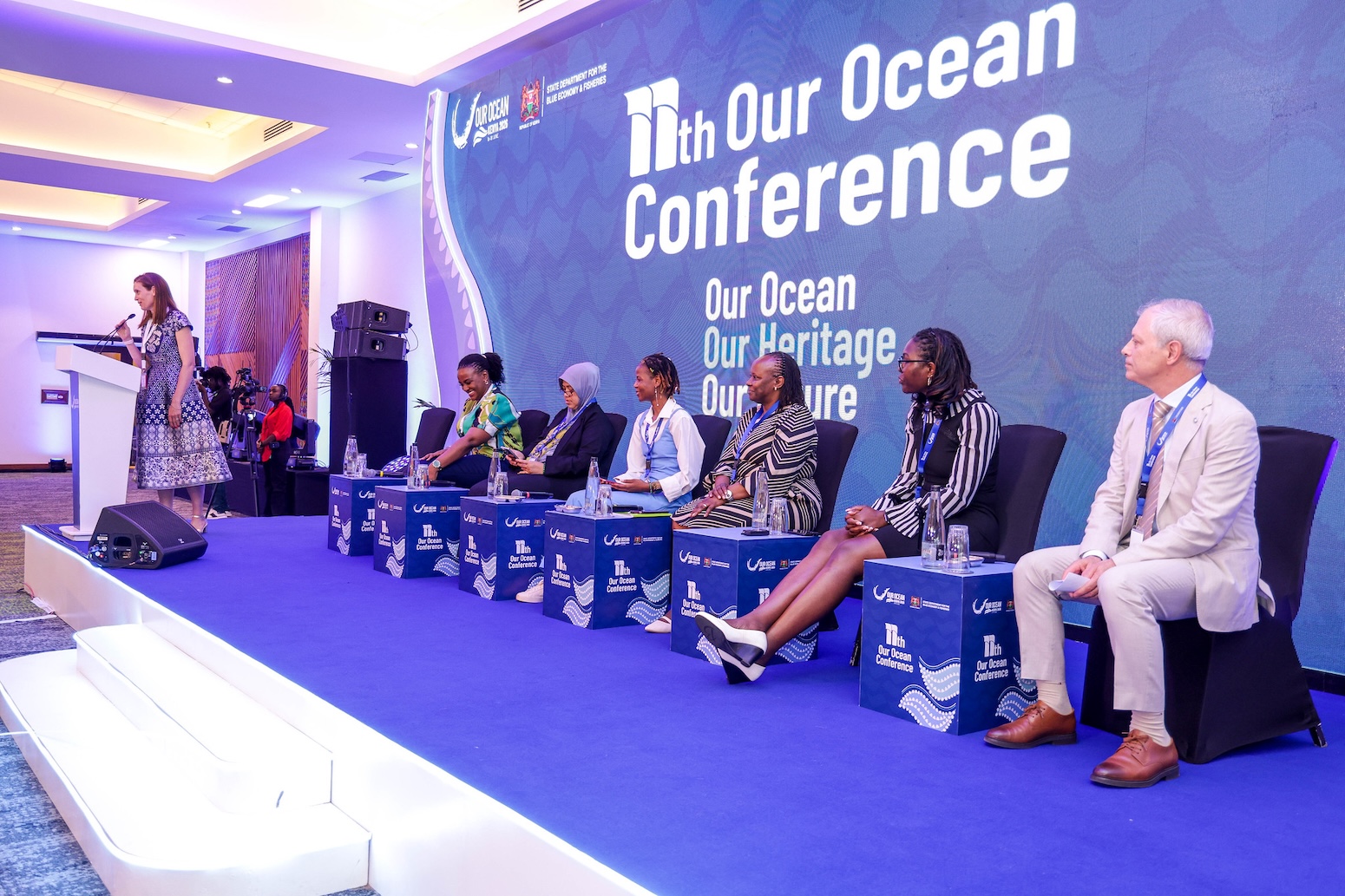
The coastal city of Mombasa, Kenya, recently served as the epicenter of global marine policy as it hosted the 11th edition of the Our Ocean Conference (OOC). Marking a historic milestone, this was the first time the summit—a premier event for marine sustainability—was held on African soil. Over three days, more than 5,000 delegates gathered to confront the existential threats facing the world’s oceans, resulting in 320 voluntary commitments and the mobilization of $6.4 billion in ocean-focused funding.
While the conference succeeded in drawing high-level political attention to the crisis of marine degradation, observers noted a sobering reality: despite the influx of financial pledges, only a select group of nations were willing to formalize ambitious, legally binding political declarations regarding deep-sea mining, coral reef protection, and the eradication of illegal, unreported, and unregulated (IUU) fishing.
Main Facts and Key Outcomes
The Our Ocean Conference, established in 2014 under the guidance of former U.S. Secretary of State John Kerry, operates on a model of voluntary, action-based commitments. Unlike traditional UN treaties that can take years to negotiate, the OOC relies on pledges from governments, NGOs, and civil society to catalyze immediate, tangible progress.
In Mombasa, the discourse shifted significantly toward the "blue economy" and the rights of local, ocean-dependent communities. Key outcomes included:
- The Mombasa Declaration: A landmark agreement focused on fisheries transparency and the combatting of IUU fishing, signed by 16 nations.
- Deep-Sea Mining: A major breakthrough saw Malawi, Kenya, and Madagascar join the growing global chorus of nations calling for a "precautionary pause" on seabed mining.
- High Seas Protection: Progress was made on the ratification of the BBNJ Agreement (High Seas Treaty), with Comoros becoming the 90th party to ratify the accord just days before the event.
- Funding: A total of $6.4 billion was "mobilized" for ocean projects, though analysts warn that the proportion of new, fresh capital remains difficult to verify.
Chronology of a Decade: From Washington to Mombasa
Since its inception in Washington D.C. in 2014, the OOC has traversed the globe, reflecting the shifting priorities of the international community.
- 2014–2019: The conference focused heavily on establishing the six core pillars: Marine Protected Areas (MPAs), Sustainable Fisheries, Climate Change, Pollution, Maritime Security, and the Sustainable Blue Economy.
- 2020–2021: The pandemic forced a hiatus, during which the conference transitioned to a more digitized, secretariat-led model.
- 2024 (Athens): The Greek-hosted edition expanded the scope to include sustainable shipping and tourism, setting a precedent for integrating industrial sectors into ocean health discussions.
- 2025 (Nice): The Third UN Ocean Conference (UNOC) took place, reinforcing the political framework for coral reef protection and the "30 by 30" global conservation target.
- 2026 (Mombasa): The current summit solidified the role of the Global South in driving the marine agenda, specifically regarding the "implementation gap" that has plagued previous commitments.
Supporting Data: The Implementation Gap
A 2025 analysis by the World Resources Institute (WRI)—the current host of the OOC secretariat—revealed that out of 2,618 commitments made over the first decade, roughly 1,130 have been completed, while 1,005 remain in progress. This success rate is significant, yet the "implementation gap" remains a persistent challenge for marine conservationists.
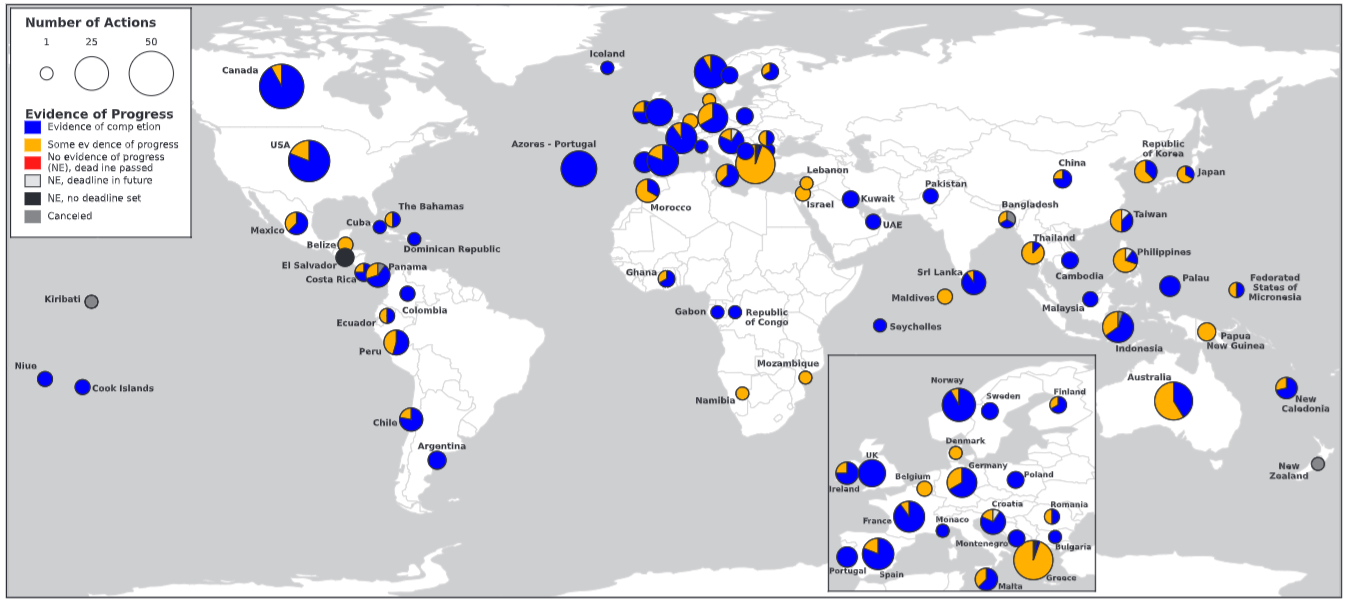
Regarding Marine Protected Areas (MPAs), an independent 2026 assessment found that while the OOC has directly contributed to the protection of over 10 million square kilometers of ocean, nearly half of existing MPAs remain "unimplemented or operationally ineffective." Experts argue that merely drawing lines on a map is insufficient; effective management requires consistent funding, local community inclusion, and rigorous enforcement.
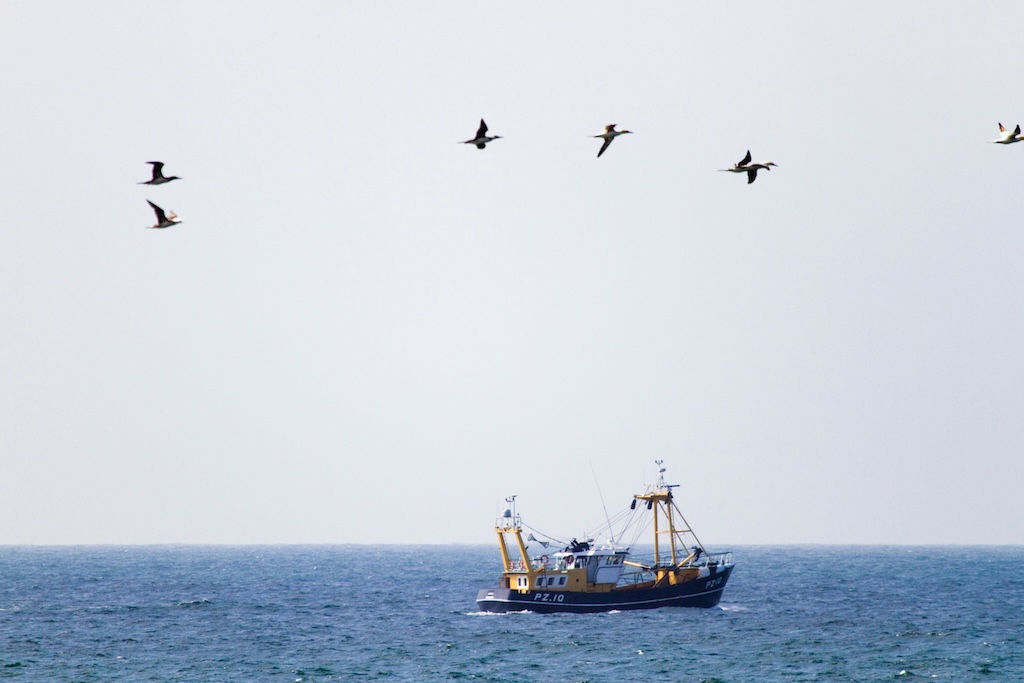
Furthermore, the UN Food and Agriculture Organization (FAO) released its biannual "State of World Fisheries and Aquaculture" report during the conference. The data confirms a record production of 235 million tonnes of fish and algae in 2024. However, with over one-third of marine stocks now officially overfished, the report emphasizes that the rapid growth of aquaculture—now increasing by 5% annually—must be balanced with the urgent need to protect wild-capture ecosystems from climate change-induced collapse.
Official Responses and Political Leadership
The tone for the conference was set during the opening ceremony, where John Kerry issued a stark warning: "We must move from commitments to implementation." This sentiment was echoed by African leaders who asserted their influence throughout the summit.
The Fisheries Transparency Push
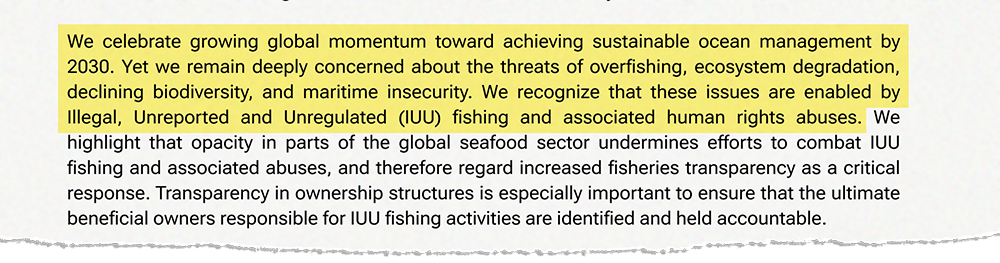
The adoption of the Mombasa Declaration was the highlight of the fisheries agenda. Ghanaian Minister of Fisheries and Aquaculture, Emelia Arthur, characterized the declaration as a "global testament" to the necessity of transparency. By committing to the Global Charter for Fisheries Transparency, signatories are agreeing to disclose ownership structures in the seafood sector, which is often used as a cloak for IUU fishing and human rights abuses.
The Deep-Sea Mining Debate
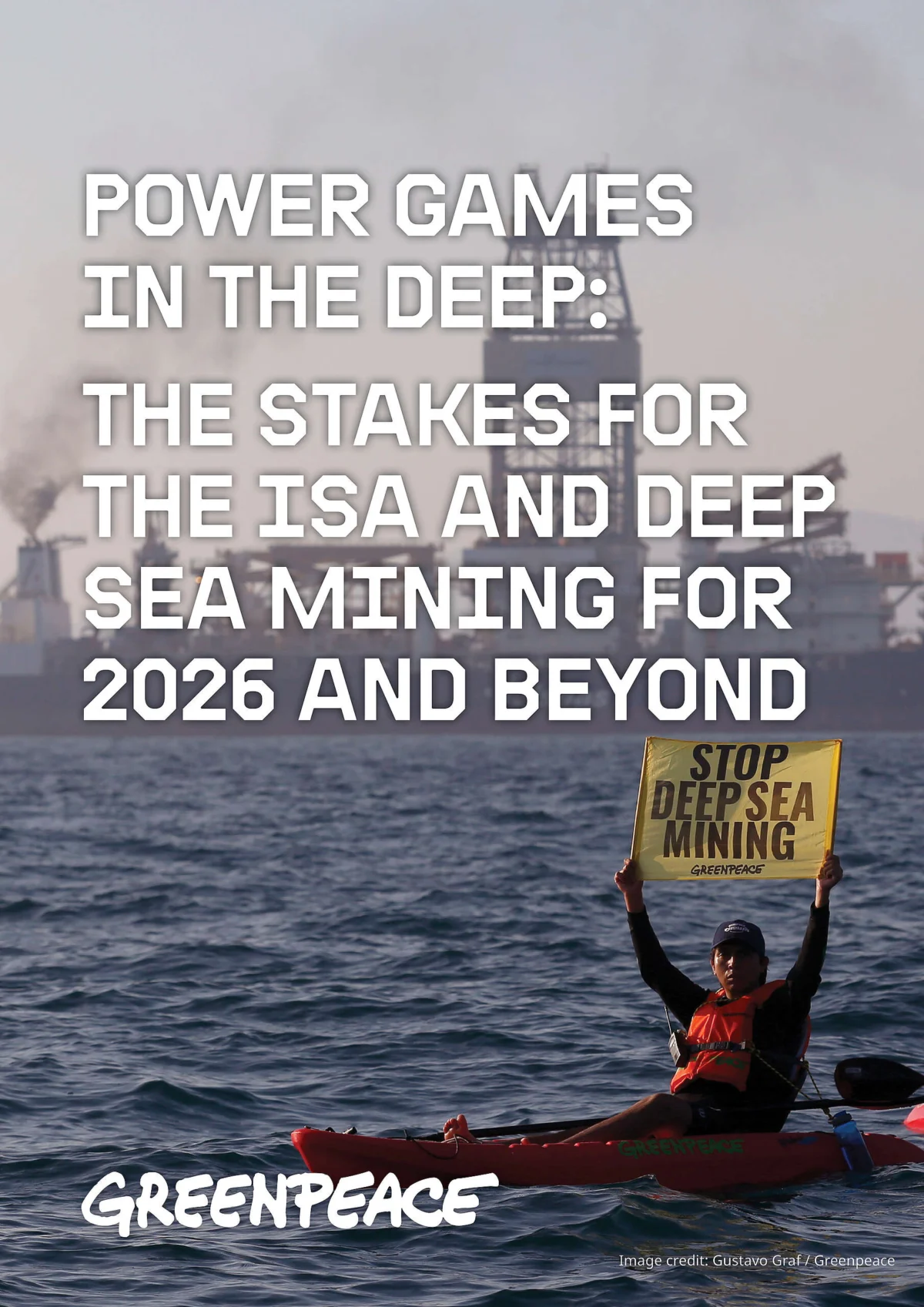
Deep-sea mining emerged as a contentious issue. While industry proponents suggest that deep-sea minerals are essential for the green energy transition, scientists and activists argue that the ecological cost is too high. The announcement that Malawi, Kenya, and Madagascar support a precautionary pause was a tactical victory for the anti-mining coalition. Dr. George Chaponda, Malawi’s foreign affairs minister, captured the spirit of the room by reminding delegates that "geography does not diminish our stake in the ocean," effectively dismantling the argument that landlocked nations have no voice in marine governance.
Coral Reef Resilience
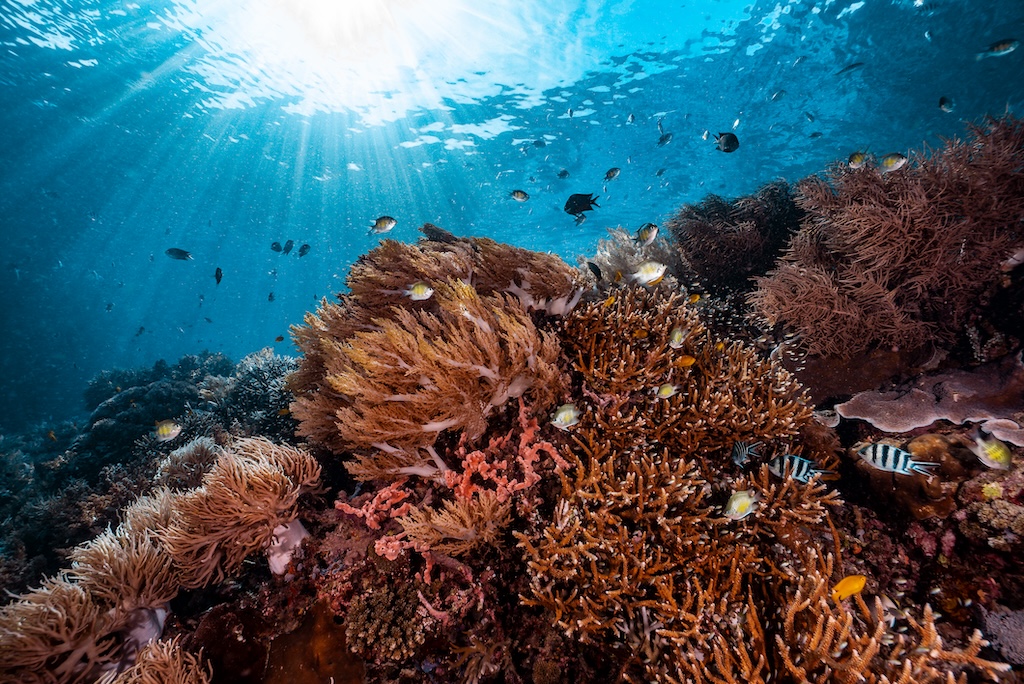
The "climate-resilient" coral reef commitment gained momentum in Mombasa, with the UK, Comoros, Kenya, and the Dominican Republic signing on. Dr. Emily Darling of the Wildlife Conservation Society noted that finding "pockets of resilience"—reefs that have a higher tolerance for heat and acidification—is our best bet for maintaining biodiversity as the climate warms.
Implications: The Road to 2030
The implications of the Mombasa OOC are clear: the era of voluntary pledges is entering a more rigorous phase of accountability. As the world approaches the 2030 deadline for the "30 by 30" biodiversity target, the focus must shift toward three critical areas:
- Legal Enforcement: With the High Seas Treaty entering into force, the first Conference of the Parties (COP1) in New York (January 2027) will be the true test of international resolve. The treaty provides the legal architecture to create high-seas MPAs, but as Rebecca Hubbard of the High Seas Alliance warned, "It will be very, very tight."
- Financial Transparency: While $6.4 billion was mobilized, the international community must clarify what constitutes "new" funding versus re-allocated budget lines. Without transparency in how these funds are deployed, the efficacy of the OOC’s financial model will continue to be questioned.
- Community-Led Conservation: The Mombasa conference proved that top-down directives are failing where bottom-up solutions are succeeding. Dr. Ana Spalding’s research from the Smithsonian Tropical Research Institute highlights the "sweet spot" between biodiversity outcomes and community needs. Effective ocean management in the coming decade will rely on ensuring that those who live off the ocean are the primary architects of its protection.
As delegates departed Mombasa, the consensus was one of cautious optimism. The conference demonstrated that while the political will to protect the ocean is growing, the physical ocean is changing faster than the policies meant to guard it. The success of the 2026 summit will not be measured by the speeches given in Kenya, but by the number of high-seas protected areas established and the actual reduction in illegal fishing activity by the time the next global ocean summit convenes.
The message from Mombasa is unequivocal: the ocean is not merely a resource to be managed, but a global life-support system that requires immediate, transparent, and collaborative action. Whether the global community can bridge the gap between "commitment" and "implementation" remains the defining challenge of our time.

 Layla Zulfa
 Evan Lee Salim