 Siti Muinah
By Amanda Larson
September 23, 2026
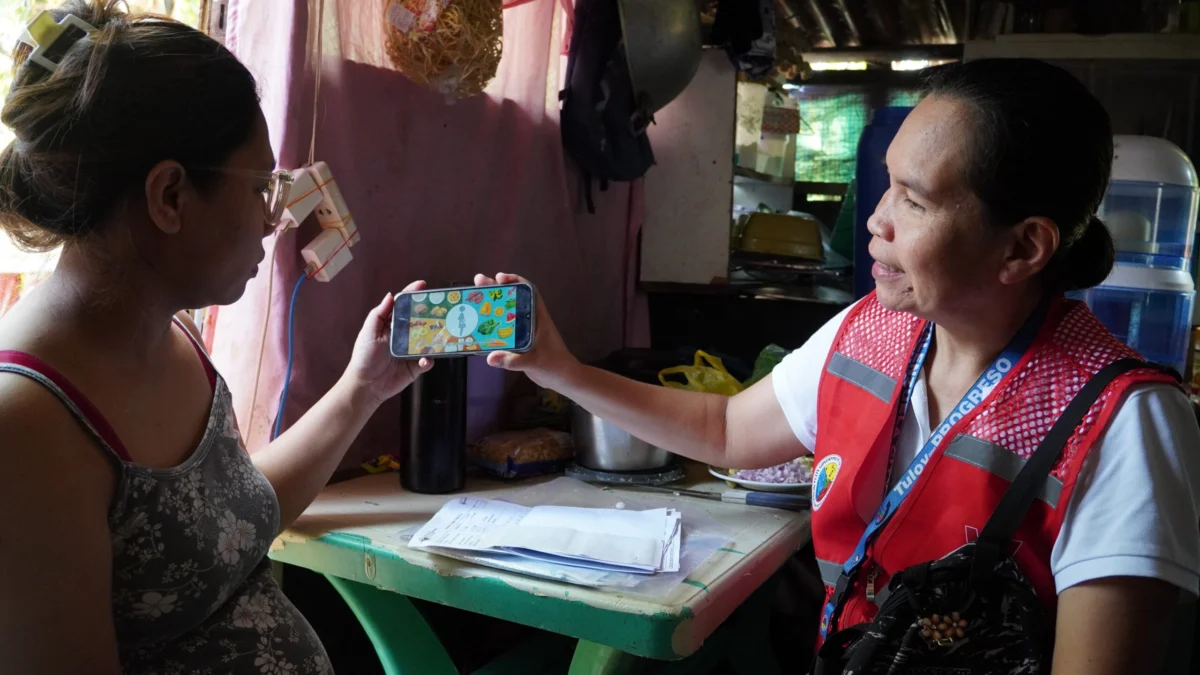
Every morning in the dense, industrial sprawl of Karuhatan, Valenzuela City, a familiar routine unfolds. Susan Nazareno, 51, pours a cup of coffee, dons her signature bright red medical volunteer vest, and laces up her athletic shoes. For Susan, this isn’t just a uniform; it is a symbol of trust, accessibility, and a quiet revolution in community-based healthcare.
As a barangay health worker, Susan serves on the absolute front lines of the Philippine healthcare system. She is one of thousands of volunteers who bridge the yawning gap between a strained national medical infrastructure and the families living in the country’s most vulnerable neighborhoods. Through a transformative initiative known as the HEAL Hub, these women are no longer just neighbors with good intentions; they are becoming tech-enabled, accredited, and highly effective health advocates.
The Crisis of Access: Why Local Care Matters
The Philippines faces a systemic hurdle that is increasingly difficult to ignore: a severe shortage of medical professionals. According to recent studies, the ratio of doctors and nurses to the general population remains critically low, leaving many citizens to rely on hearsay, outdated advice, or anecdotal remedies passed down through generations.
In areas like Valenzuela City and Quezon Province, the obstacles to traditional care are manifold. Beyond the geographic and economic barriers, there is a pervasive issue of medical stigma. Diseases such as tuberculosis are often shrouded in silence, causing patients to avoid clinics until their conditions reach critical stages. Families frequently skip routine checkups simply because they feel "well enough," lacking the preventative health literacy that could save lives.
"There are so many people who need to know about health," Susan says, reflecting on her motivation for joining the volunteer force in 2025. She realized that for her neighbors, the city health center felt like an intimidating, distant institution. By bringing the care to their doorsteps, she has become a vital intermediary.
Chronology of a Transformation
The journey to professionalizing the barangay health workforce began with a recognition that passion alone is not enough in an age of complex medical challenges.
- Pre-2024: Community volunteers operated with minimal resources, relying on manual logs and sporadic, localized training.
- 2024: CARE launched the "Healthy, Empowered, Accredited, and Linked" (HEAL) Hub Project. This initiative was designed to provide standardized, high-quality training through a blend of physical coaching and digital accessibility.
- Early 2025: Susan Nazareno joins the program. Initially skeptical of the digital component, she undergoes intensive onboarding.
- 2025-2026: The program scales rapidly, distributing Android devices and rolling out a curriculum that includes maternal health, pandemic preparedness, and early cancer screening.
- Present Day: The program has successfully reached over 1,000 health workers, creating a sustainable network of information and support.
Digital Empowerment: The HEAL Hub App
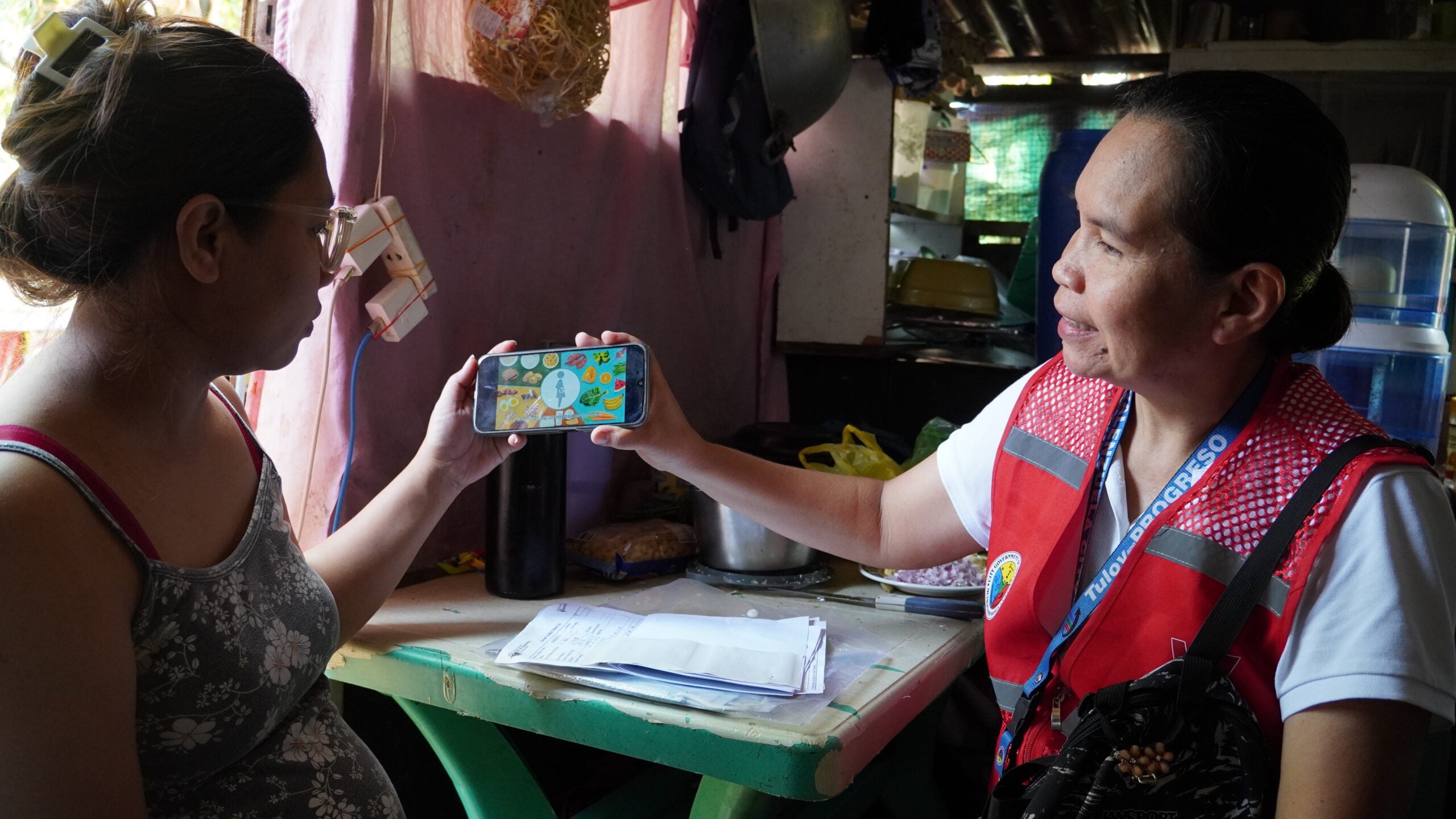
The centerpiece of this project is the HEAL Hub mobile application. Engineered to function in areas with limited internet connectivity, the app is a repository of verified, expert-led medical guidance available in both English and Filipino.
"I was initially unsure about the technology," Susan admits, recalling her first days with the device. "I asked others, ‘How does it work again?’ but I’m a quick learner."
The app provides modules on everything from prenatal nutrition to hypertension management. For Susan, the app serves as more than just a reference tool; it is a validation of her expertise. "It helped me a lot because I’m more confident," she explains. "When I explain things to my neighbors, I have proof that what I’m saying is true. It’s done by experts. They are the ones who do it, not just me."
This transition from being a neighbor offering advice to a professional health worker providing data-backed guidance has fundamentally altered the community’s perception of her role. She is no longer just a volunteer; she is a trusted navigator.
Supporting Data: Impact by the Numbers
The scale of the HEAL Hub Project’s success is reflected in its objective data. By the second year of operation, the statistics paint a clear picture of an expanding impact:
- Reach: An estimated 22,900 households have been served by participating health workers.
- Training Completion: 1,041 barangay health workers have undergone the training, with an impressive 91% completion rate for the digital modules.
- Geographic Scope: The project covers 106 barangays across four municipalities, with 628 health workers receiving consistent, in-person monitoring and support visits.
- Future Goals: CARE and its local partners have set an ambitious target to train a total of 1,500 health workers by January 2027.
These numbers represent more than just administrative successes; they represent thousands of early diagnoses, better-managed pregnancies, and a more robust defense against infectious diseases.
Official Responses and Strategic Partnerships
The project is a collaborative effort involving CARE and the Southern Tagalog People’s Response Center. By combining top-down medical expertise with bottom-up community trust, the partnership has created a model for localized disaster and health resilience.
The program also leverages social media, utilizing dedicated Facebook groups to foster peer-to-peer support. This digital community allows health workers to share anecdotes, troubleshoot complex cases, and provide emotional support to one another—a crucial factor in preventing burnout among volunteers who often operate under immense pressure.
CARE, which has been active in the Philippines since 1949, notes that this program is a natural evolution of their work in disaster response and community resilience. By strengthening the primary health layer, the organization is effectively building a buffer against the crises—be they typhoons or pandemics—that so frequently disrupt the lives of Filipino families.
Implications: A Model for the Future
The implications of the HEAL Hub project extend far beyond the Philippines. It challenges the global development sector to rethink how they support frontline workers. By focusing on digital literacy and providing reliable, offline-accessible tools, projects like this can turn volunteer labor into a highly professional, scalable public health intervention.
However, the success of the project is also deeply personal. For Susan, the work is about more than health metrics; it is about legacy. "I wanted my daughters to see that helping others isn’t just about money," she says. "Even if you don’t have financial means, you can still serve."
As she walks through the rain-slicked streets of Karuhatan, Susan embodies a new era of community health. Her work proves that when you equip local leaders with the right tools and knowledge, the health of a community doesn’t just improve—it becomes self-sustaining.
Moving Forward
As the project approaches its 2027 goal, the focus is shifting toward long-term sustainability. The integration of digital health tools into local governance structures is a priority, ensuring that even after the initial project phase concludes, these women—and the communities they serve—are not left behind.
For the residents of Valenzuela City, the presence of someone like Susan is the difference between uncertainty and a clear path to care. It is a reminder that in the fight for global health equity, the most powerful tool is often a dedicated neighbor with a smartphone and the right information at their fingertips.
To support the ongoing work of CARE and help train more community health workers globally, visit the official CARE donation portal to learn how your contributions facilitate life-saving humanitarian aid.

 Reynand Wu
 Layla Zulfa