


 Lina Irawan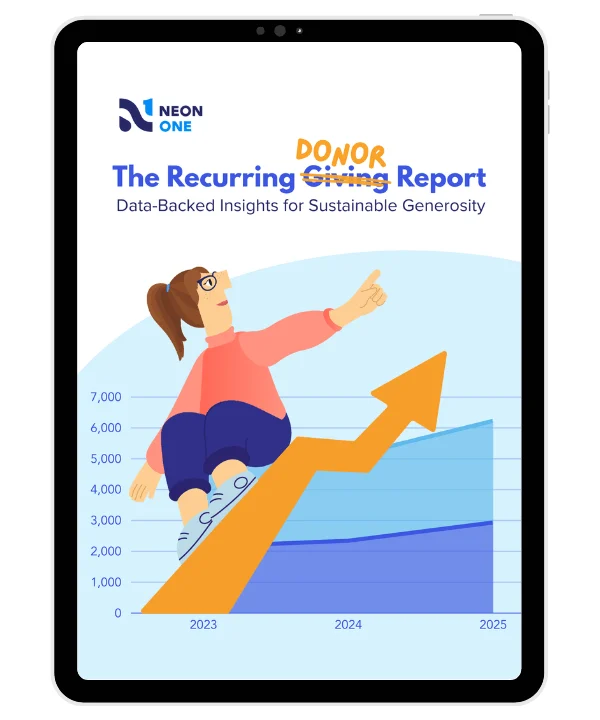
By Abby Jarvis, Head of Research at Neon One
In the modern landscape of philanthropy, the "sustained" donor has become the gold standard for financial stability. For nonprofit organizations, the recurring donation is more than just a transaction; it is a manifestation of trust, a commitment to a cause, and a vital lifeline that ensures operational continuity.
As recurring giving gains momentum across the charitable sector, organizations are scrambling to understand the mechanics of this behavior. While quantitative data—the what—is readily available through CRM platforms and banking records, the why has remained somewhat elusive. To bridge this gap, the team at Neon One recently undertook a comprehensive research initiative, surveying 2,006 donors to decode the psyche of the modern sustained giver. The results provide a blueprint for nonprofits looking to transform sporadic contributors into lifelong partners.
Main Facts: The Rise of the Sustained Giver
The core takeaway from our research is that recurring donors are not merely passive participants in a subscription-based economy. They are highly intentional, mission-driven individuals who are increasingly taking the initiative to support organizations without waiting for a direct solicitation.
Our study revealed that 718 of the 2,006 respondents identified as recurring donors. This group represents a highly engaged segment of the donor base. Perhaps most surprisingly, the data suggests that the traditional "ask" is not the sole, or even the primary, driver for these individuals. When we look at the broader landscape of the nonprofit sector, the shift toward subscription-style giving mirrors consumer behavior in the digital age, yet it is uniquely underpinned by a desire for tangible social impact.
Chronology: From First Impression to Recurring Commitment
Understanding the journey of a recurring donor requires looking at the progression from initial awareness to long-term loyalty. This timeline is rarely linear, but it generally follows a consistent pattern of engagement:
- The Discovery Phase: The donor encounters an organization, often through social media or by witnessing the nonprofit’s impact in the community. At this stage, the organization’s visibility is paramount.
- The Connection Phase: The donor feels a personal resonance with the organization’s mission. This is where the emotional investment occurs, often tied to a specific moral or religious conviction.
- The Initiation Phase: Unlike the common belief that a fundraiser must "ask" to receive, the majority of recurring donors initiate the gift independently. They seek out the "donate" page or the "monthly giving" option because they have already decided the cause is worthy of their ongoing support.
- The Sustainment Phase: The donor begins their recurring cycle. Here, the nonprofit’s role shifts from acquisition to stewardship, ensuring the donor feels their ongoing contribution is being utilized effectively.
Supporting Data: What the Numbers Tell Us
The survey of 2,006 donors provided a granular look at the motivations behind these financial commitments. The data is clear: passion and visibility are the twin pillars of recurring support.
The "Unsolicited" Phenomenon
One of the most eye-opening findings from our research was the frequency of unsolicited recurring gifts. A staggering 58.6% of respondents reported that they set up their recurring donations without being prompted by a specific solicitation from a nonprofit. In contrast, only 25% of donors cited a direct request as the catalyst for their recurring commitment.
This data does not suggest that nonprofits should stop asking; rather, it indicates that the "ask" is secondary to the "presence." When an organization maintains a robust, visible, and mission-focused public profile, the donors will come to them.
Drivers of Motivation
When asked what drives their giving in general, the respondents were clear about their priorities:
- Personal Connection: 71.2% identified a personal connection to the mission as their primary motivator.
- Community Impact: 60.3% were driven by a desire to see a positive, tangible difference in their local or global community.
- Moral/Religious Duty: 31.8% viewed their giving through the lens of duty or faith.
When we narrowed the focus specifically to recurring donations, the trend held strong. Over 77% of recurring donors stated that their primary motivation was to provide ongoing, stable support for a cause they personally care about.
Discovery Channels
How do donors find these organizations? The data highlights the importance of multi-channel visibility:

- Direct Observation: 41.6% of recurring donors started giving after witnessing the nonprofit doing "important work" in the real world.
- Social Media: This served as the second most common entry point for new recurring donors.
- Proactive Search: A significant portion of donors actively sought out organizations to support, emphasizing the need for high-quality, SEO-friendly, and accessible websites.
Official Perspectives: Translating Research into Strategy
As an industry leader in nonprofit relationship management, Neon One has analyzed these findings to formulate a strategic path forward for organizations of all sizes.
"The data is a wake-up call for fundraisers," notes the research team. "We often get caught in the loop of ‘campaign-based’ fundraising, where we only ask for money during specific windows. But the recurring donor is someone who wants to be a partner, not just a customer. They are looking for a reason to trust you with their monthly budget, and they are doing the research themselves."
The implication is clear: the modern nonprofit must act more like a transparent, impact-driven institution and less like a transactional merchant. The official stance of our research division is that organizations should treat their "monthly giving page" as a flagship destination on their website, ensuring it is as visible as their "About Us" page.
Implications: Building a Sustainable Program
For a nonprofit leader, how should this information be synthesized into a daily operations plan? Here are the critical takeaways for scaling a recurring giving program:
1. The Myth of the "Only Ask"
While it is tempting to believe that you don’t need to ask for recurring gifts because people give them on their own, this is a dangerous misconception. The reality is that the average nonprofit still has a relatively small base of recurring donors. You should continue to include recurring giving appeals in your newsletters, annual reports, and direct mail—but these should be treated as reminders for those who are already inclined to give, rather than the sole driver of the program.
2. Prioritize Radical Visibility
If 41.6% of your donors are finding you through observation of your work, your digital and physical presence must be impeccable. Are you documenting your work on social media? Is your impact story clear on your homepage? If a potential donor lands on your site, can they find a "monthly giving" option in under three clicks? If the answer is no, you are leaving money on the table.
3. Reiterate the "Why"
Because the vast majority of your recurring donors are motivated by a desire to see a "positive difference," your communications must pivot from "We need money" to "Here is the change your money is creating." Every recurring donor email should include a specific, tangible example of the impact their monthly contribution is facilitating. By connecting their recurring, invisible transaction to a visible, real-world outcome, you solidify their commitment for the long term.
4. Optimize the User Experience
Recurring donors are often busy, impact-oriented professionals. They value efficiency. A clunky, outdated donation form is a deterrent. Ensure your payment systems are secure, mobile-friendly, and allow for easy management of their own recurring settings.
Conclusion: The Path Ahead
The landscape of 2026 and beyond favors the transparent and the accessible. Recurring donors are not an elusive, mystical group; they are passionate advocates who are waiting for an invitation to join your mission. By aligning your organizational visibility with the core values of your donor base, you can build a sustainable, recurring foundation that will carry your organization through the complexities of the future.
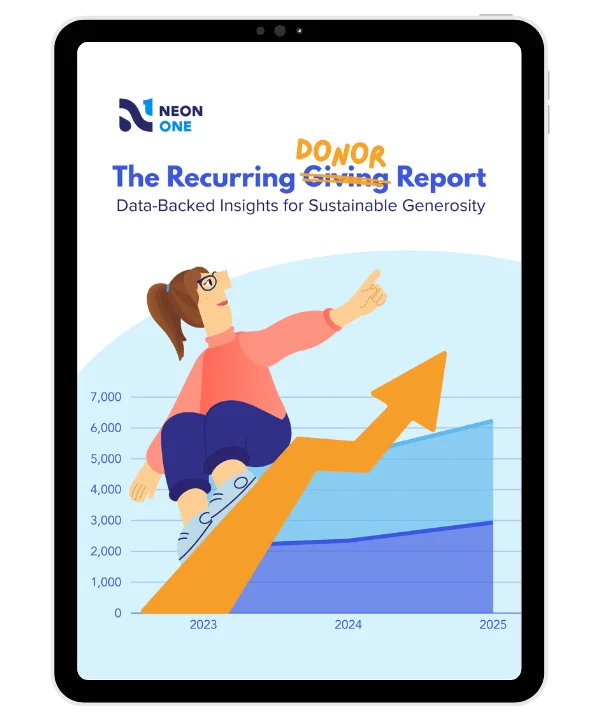
For those eager to dive deeper, the 2026 Recurring Donor Report—which aggregates data from over 4,000 nonprofits—provides the technical roadmap to help you refine your outreach. The era of the sustained donor is here; it is time to ensure your organization is ready to meet them.
About the Sponsor
Neon One is the leading nonprofit relationship management platform designed to help small to midsize organizations cultivate the deep, personal connections that fuel long-term growth. Its unified system provides a 360-degree view of every supporter, allowing nonprofits to seamlessly manage fundraising, donor stewardship, event planning, and communication within one integrated, cloud-based ecosystem. To learn more about how to modernize your fundraising operations, visit neonone.com.

 Suro Senen