 Dwi Wanna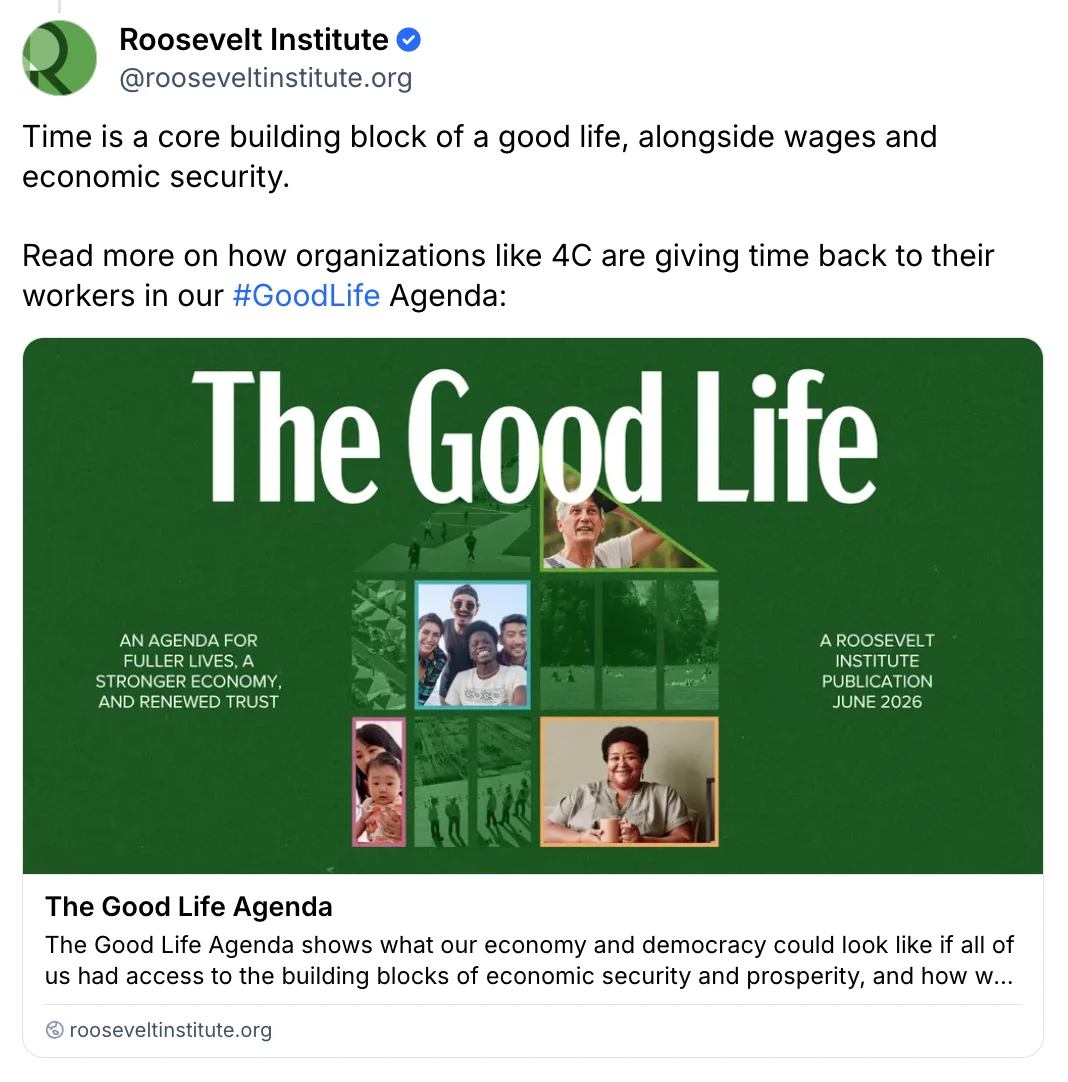
As the United States marks its 250th anniversary—a milestone of the American experiment in self-governance—the nation finds itself at a precarious crossroads. While the Declaration of Independence once promised a society grounded in equality and the pursuit of happiness, contemporary economic realities suggest that the promise has been significantly compromised. Central to this debate is the legacy of the "One Big Beautiful Bill Act" (OBBBA), which, one year after its enactment, stands as a stark illustration of how tax policy has been weaponized to entrench wealth, hollow out public services, and undermine the democratic process.
The Main Facts: A Half-Century of Destructive Policy
The fundamental issue facing the American political economy is the runaway concentration of wealth, a phenomenon that has accelerated over the last fifty years. This trend is not accidental; it is the result of deliberate policy choices. The OBBBA is merely the latest, and perhaps most aggressive, iteration of a cycle that has become increasingly difficult to break.
By slashing tax obligations for the ultra-wealthy, the OBBBA effectively starved the public sector of the resources necessary to maintain the infrastructure, education, and social safety nets that provide the foundation for a functioning democracy. When the state is weakened, its ability to act as a check on private power vanishes. This, in turn, creates a feedback loop: the beneficiaries of these tax cuts utilize their increased capital to lobby for further tax reductions and deregulation, cementing their influence over the legislative process.
Chronology: The Road to the Current Crisis
The trajectory toward today’s extreme wealth concentration did not happen overnight. To understand the current state of affairs, one must examine the timeline of fiscal policy over the last two and a half centuries.
- 1776–1970s: The formative years of the American republic were characterized by fluctuating views on wealth, but the mid-20th century saw a concerted effort to build a middle class through progressive taxation and investment in public goods.
- 1980s–2010s: The era of "supply-side" economics began to dismantle these structures. A series of tax reforms prioritized capital gains and corporate profits, leading to a steady decoupling of productivity from wage growth.
- July 2025: The enactment of the One Big Beautiful Bill Act (OBBBA). The legislation was framed as a boost to the economy but functioned primarily as a massive redistribution of wealth from the public ledger to private accounts.
- July 2026: The one-year anniversary of the OBBBA. Reports from the Roosevelt Institute and other economic watchdogs confirm that while the ultra-wealthy have seen their net worths soar, public services have faced significant degradation. The emergence of the world’s first trillionaire, Elon Musk, serves as the ultimate symbol of this era of extreme inequality.
Supporting Data: The Anatomy of Inequality
The concentration of wealth is no longer a theoretical concern; it is a measurable, systemic threat. According to recent analyses, the OBBBA has contributed to a record-breaking expansion of the wealth gap.
The Trillionaire Milestone
The rise of the trillionaire class represents a shift in the nature of economic power. When an individual’s wealth exceeds the GDP of many mid-sized nations, that individual exerts a gravitational pull on the political system. This is not merely a matter of personal fortune; it is a matter of institutional capture. Through massive election spending—often channeled through vehicles enabled by the Citizens United ruling—this concentration of wealth ensures that policy is written by and for the donor class, rather than the electorate.
The Erosion of Public Goods
The OBBBA’s fiscal impact has been devastating for public infrastructure. By lowering the revenue floor, the government has been forced to make hard choices. Data suggests that underfunded public services lead to a decline in civic trust. When citizens see that the state can no longer afford to provide quality schools, safe roads, or robust social services, they lose faith in the democratic project, making them more susceptible to populist rhetoric or total apathy.
Official Responses and Expert Analysis
Leading voices in economic policy have been quick to condemn the trajectory set by the OBBBA. Elizabeth Wilkins, President and CEO of the Roosevelt Institute, recently emphasized that the bill is a textbook case of policy-driven inequality.
"A tax system that funds public goods, checks concentrated wealth, and binds us to one another is the foundation a functioning democracy requires," Wilkins stated. She argues that the OBBBA effectively broke this "social contract," turning the tax code from a tool of collective progress into an instrument of private gain.
Noa Rosinplotz, an analyst at the Roosevelt Institute, echoes this sentiment in her recent work. Rosinplotz argues that the tax code has always been a reflection of national values. "Our country’s first 250 years have shown us that when we deploy the tax code in service of the common good, our democracy is stronger. If we want that democracy to survive another 250 years, we need to fundamentally change course."
Implications: The Future of the American Experiment
The implications of this status quo are profound. If the concentration of wealth continues at its current pace, the United States risks transitioning from a representative democracy into a plutocracy—a system where political influence is a commodity purchased by the highest bidder.
The Necessity of Reform
To reverse these trends, economists suggest a multi-pronged approach:
- Reclaiming the Tax Code: Implementing progressive tax structures that treat capital and labor equitably, ensuring that the wealthiest individuals contribute a fair share to the public infrastructure that enabled their success.
- Campaign Finance Reform: Limiting the influence of extreme wealth in elections to ensure that the voices of ordinary citizens are not drowned out by corporate and ultra-wealthy donors.
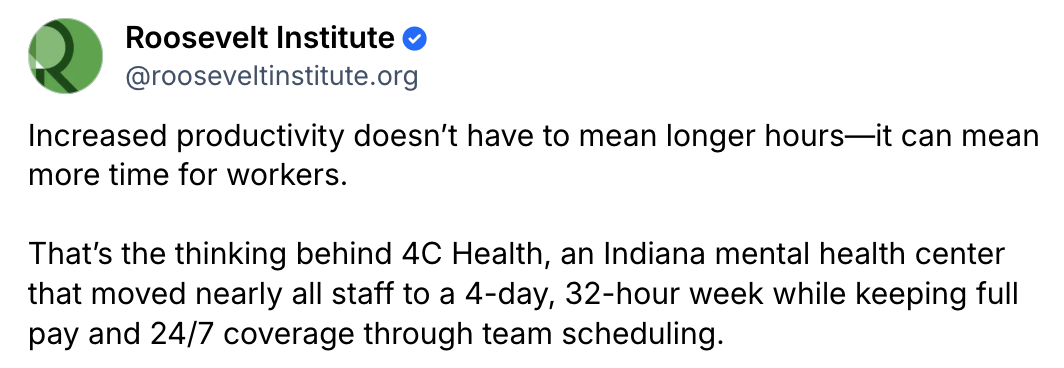
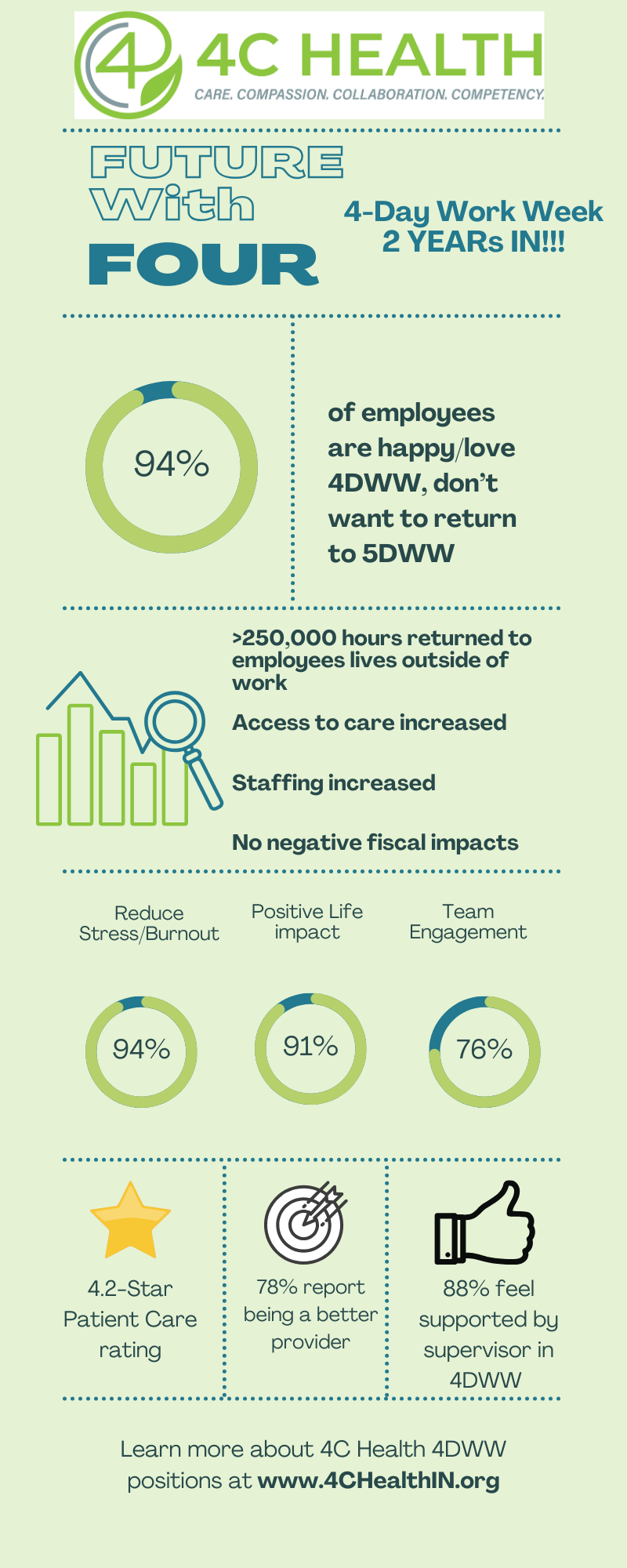
- Investing in the "Good Life": Recent initiatives, such as those promoting the four-day work week and broader economic security for workers, demonstrate that there is an alternative path forward. Productivity gains should be used to improve the quality of life for all, not just to increase the dividends of the few.
Shifting the Narrative
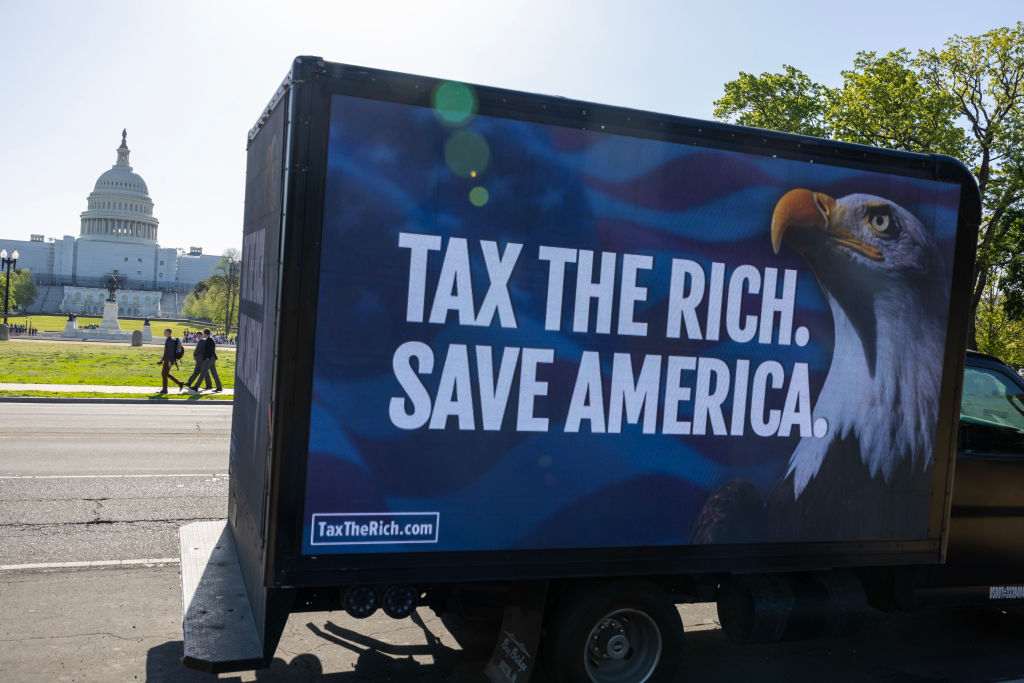
There is a growing movement that challenges the assumption that tax cuts for the rich are synonymous with economic growth. Organizations like the Patriotic Millionaires have taken to the streets to demand a more equitable system, using the slogan "Tax the Rich. Save America." This represents a shift in the public discourse, moving away from the trickle-down theories of the late 20th century and toward a model that prioritizes human well-being, sustainability, and democratic integrity.
Conclusion
As the United States enters its second quarter-millennium, it faces a fundamental question: Can a democracy survive the extreme concentration of wealth? The history of the last year—and the last fifty years—suggests that the current path is unsustainable. The OBBBA serves as a warning sign. It is a testament to the damage that can be done when public policy is captured by private interests.
The path forward requires more than just minor adjustments; it requires a renewed commitment to the idea that the American economy should serve the many, not the few. By reforming the tax code to serve the common good, curbing the influence of money in politics, and focusing on the dignity of labor, the United States can work to reclaim the promise of its founding. The next 250 years of the American experiment depend on the ability of the citizenry to demand a system that truly reflects the values of equality and shared prosperity. The time for a new economic course is not just an option—it is a democratic necessity.

 Nana
Nana
 Evan Lee Salim