


 Basiran
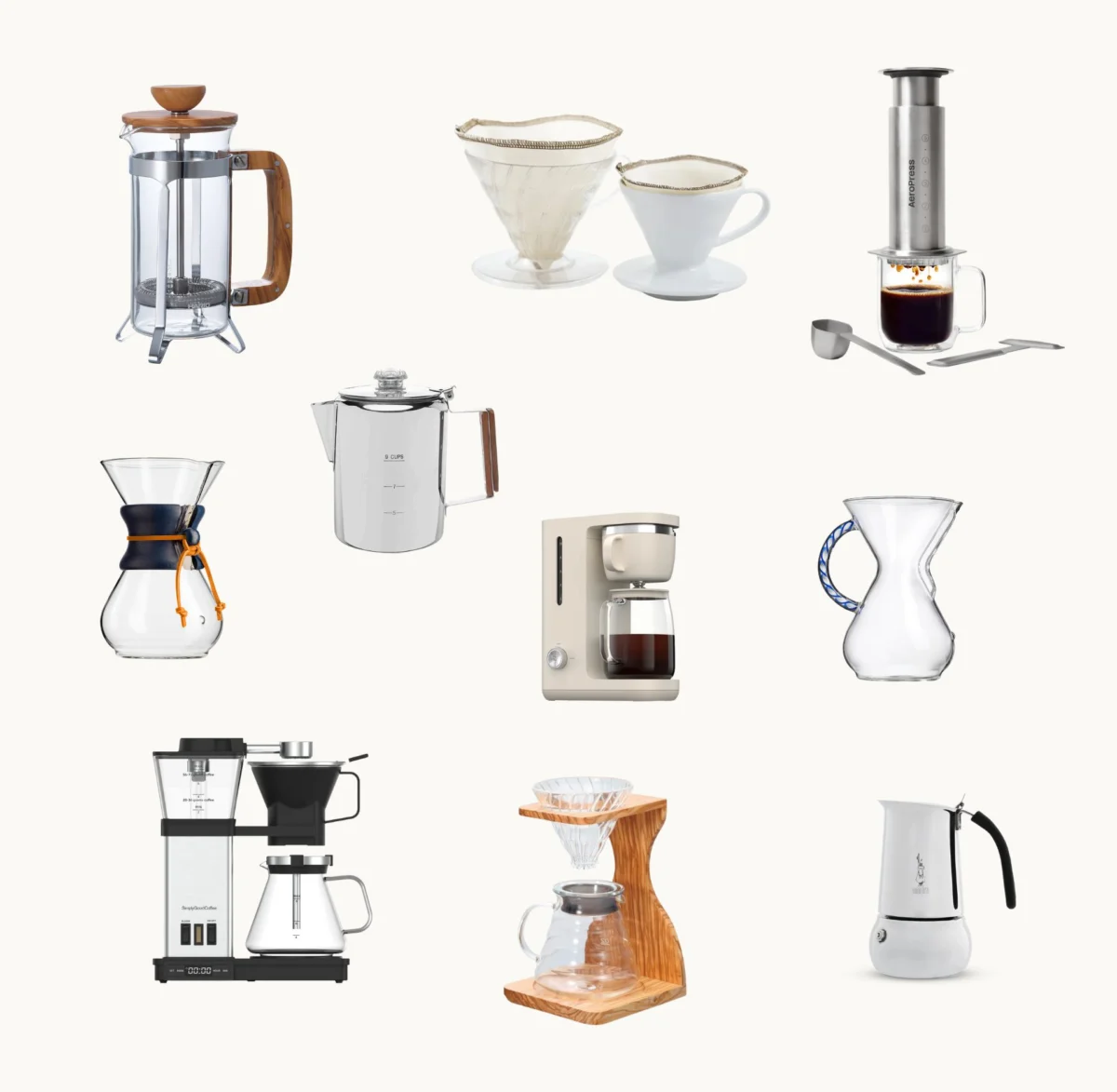
The morning ritual of brewing coffee is, for millions, a sacred start to the day. However, recent investigations into kitchenware safety and environmental impact have cast a shadow over the standard automatic drip machine. As consumers become increasingly wary of endocrine-disrupting chemicals and microplastic shedding, a new market for "plastic-free" and "non-toxic" coffee makers has emerged.
While the coffee industry has long focused on the ethics of the beans—emphasizing fair trade and organic farming—the hardware used to brew those beans is now under intense scrutiny. From the leaching of Bisphenol A (BPA) to the environmental persistence of phthalates, the materials used in coffee makers are being re-evaluated by health-conscious consumers and environmental advocates alike.

Main Facts: The Shift Toward Non-Toxic Brewing
The core of the plastic-free coffee movement rests on two pillars: human health and environmental preservation. Traditional coffee makers often utilize plastic water reservoirs, internal tubing, and filter baskets. When these plastic components are subjected to near-boiling water, the risk of chemical migration increases significantly.
Key findings in the industry include:

- Chemical Leaching: Heat acts as a catalyst for plastic degradation. Chemicals such as BPA and various phthalates can migrate from the machine’s internal components into the coffee.
- The "BPA-Free" Paradox: Many manufacturers have replaced BPA with BPS (Bisphenol S) or BPF (Bisphenol F), which research suggests may have similar endocrine-disrupting effects.
- Material Alternatives: The industry is seeing a resurgence in borosilicate glass, 304-grade stainless steel, and even treated hardwoods as primary brewing materials.
- The "Brew Path" Standard: Because fully plastic-free electric machines are rare, a new industry standard—the "plastic-free brew path"—has emerged, ensuring that water and coffee only touch non-reactive materials during the extraction process.
Chronology: The Evolution of the Sustainable Brew
The journey toward the modern plastic-free coffee maker has evolved through three distinct phases over the last two decades.
Phase 1: The Zero-Waste Movement (2000s–2010s)
Initially, the "green" coffee movement was focused almost exclusively on waste reduction. This era saw a backlash against single-use pods and paper filters. The goal was to minimize the volume of trash heading to landfills, leading to the rise of reusable stainless steel mesh filters and the popularity of the classic French press.
Phase 2: The BPA Scare and "Toxin-Free" Marketing (2010s–2020)
As public awareness regarding Bisphenol A grew, the conversation shifted from the trash can to the human body. Manufacturers began labeling products "BPA-Free." However, this was often a marketing pivot rather than a total material overhaul, as plastic remained the primary material for the internal "plumbing" of most automatic brewers.
Phase 3: The Holistic Material Revolution (2021–Present)
The current era is defined by a demand for total transparency. Consumers are no longer satisfied with "BPA-Free" labels; they are seeking machines where no plastic touches the liquid at all. This has led to a revitalization of manual brewing methods and a niche market for high-end, plastic-free electric drip machines.

Supporting Data: The Science of Leaching and Environmental Impact
The push for plastic-free hardware is supported by a growing body of toxicological research. According to studies published in journals such as Environmental Health Perspectives, heat significantly accelerates the leaching of chemicals from plastic.
The Problem with Bisphenols
BPA is a known endocrine disruptor that mimics estrogen in the body. Chronic exposure has been linked to reproductive issues, heart disease, and developmental challenges in children. When water is heated to the 195°F–205°F range required for optimal coffee extraction, the structural integrity of lower-grade plastics is compromised, allowing these molecules to break free.

Phthalates and Organ Health
Phthalates, used to make plastics flexible, are another concern. These chemicals are not chemically bound to the plastic and can easily "off-gas" or leach into liquids. Long-term exposure is associated with interference in the endocrine system and potential damage to the liver and kidneys.
Microplastics in the Environment
Beyond human health, the environmental cost is staggering. The US EPA estimates that over a million pounds of BPA are released into the environment annually. These chemicals eventually settle in waterways, where they affect the reproductive cycles of aquatic life. Furthermore, plastic-heavy appliances are difficult to recycle, contributing to the growing crisis of "e-waste" in landfills.

Official Responses and Market Leaders: 11 Brands Redefining the Brew
While no single regulatory body defines "plastic-free," several brands have taken the lead in providing transparent material lists and innovative designs.
1. Pure Over: The Glass Purist
Pure Over has gained traction for its Signature Brew Kit, which utilizes a built-in glass filter. By using borosilicate glass for the entire process, the brand eliminates the need for even paper filters, which can sometimes be treated with bleaching agents.

2. Caraway: The Aesthetic Innovator
Known for its ceramic cookware, Caraway recently entered the coffee space with a drip machine featuring a stainless steel water path and a glass carafe. This addresses the "plastic-free brew path" demand for those who prefer the convenience of an electric machine.
3. Chemex: The Timeless Standard
A staple since 1941, the Chemex remains a gold standard for plastic-free brewing. Made of non-porous borosilicate glass with a wooden collar, it represents the pinnacle of inert material design.

4. Hario: The Japanese Glass Expert
Hario’s V60 series, particularly the Olive Wood Stand set, uses heat-proof glass and silicone seals. While a plastic scoop is often included, the brewing path itself remains free of synthetic polymers.
5. Simply Good Coffee: Engineering the Electric Path
This brand focuses on the "The Brewer," a machine that uses stainless steel plumbing and a glass reservoir. It is one of the few electric options designed specifically to prevent hot water from contacting plastic internal components.

6. Ovalware: Cold Brew Specialist
For cold extraction, Ovalware utilizes 18/8 stainless steel and borosilicate glass. Because cold brew takes 12-24 hours, the inert nature of glass is vital to prevent "refrigerator flavors" and chemical migration.
7. Coletti: The Rugged Percolator
Veteran-owned Coletti specializes in stovetop percolators made of 304 stainless steel. These machines are designed for longevity and durability, avoiding the planned obsolescence common in plastic electric brewers.

8. AeroPress: The Material Pivot
The AeroPress was long criticized for its plastic construction. In response, the company released the AeroPress Premium (glass and aluminum) and the AeroPress Steel, providing a non-toxic option for the brand’s loyal "AeroPress-style" espresso fans.
9. Bialetti: The Italian Icon
While the original Moka Express is aluminum, Bialetti’s Venus and Musa models are crafted from 18/10 stainless steel. The only plastic parts are the external handles, ensuring the brew path remains clean.

10. Canadiano: The Wooden Pour-Over
Carved from cherry, ash, or walnut, the Canadiano uses a medical-grade stainless steel filter. It represents a "zero-waste" and "zero-plastic" approach that utilizes natural materials to season the coffee over time.
11. Mueller: The Stainless French Press
Mueller’s double-walled stainless steel French press offers a plastic-free alternative to the traditional glass carafe, providing durability for travel while maintaining a non-reactive environment for the coffee.

Implications: The Future of the Kitchen Appliance Industry
The rise of plastic-free coffee makers is more than a trend; it is a signal of a broader shift in consumer behavior. As "Right to Repair" laws gain traction globally, consumers are moving away from cheap, disposable plastic appliances toward "heirloom" quality items made of metal and glass.
The Regulatory Gap
Currently, there is a lack of strict government regulation regarding "food-contact materials" in small appliances. Journalistic investigations and third-party testing have filled the void, forcing brands to be more transparent. We expect to see more rigorous standards from organizations like the FDA and the European Food Safety Authority (EFSA) regarding the use of bisphenols in high-heat appliances.

Economic Shifts
The premium price point of many plastic-free machines reflects the cost of high-quality materials like borosilicate glass and surgical-grade steel. However, the longevity of these products—often lasting decades compared to the 2-3 year lifespan of a plastic drip machine—suggests a more economical choice for the consumer in the long run.
Conclusion: A More Intentional Cup
Choosing a plastic-free coffee maker is an act of intentionality. It requires a move away from the "instant" culture of plastic pods toward a slower, more mindful brewing process. Whether through a glass pour-over or a stainless steel moka pot, the transition reflects a growing understanding that what we brew in is just as important as what we brew. By removing plastic from the equation, coffee lovers can ensure that their morning caffeine fix is as clean for their bodies as it is for the planet.


 Nana Wu
 Asro






