


 Rifan Muazin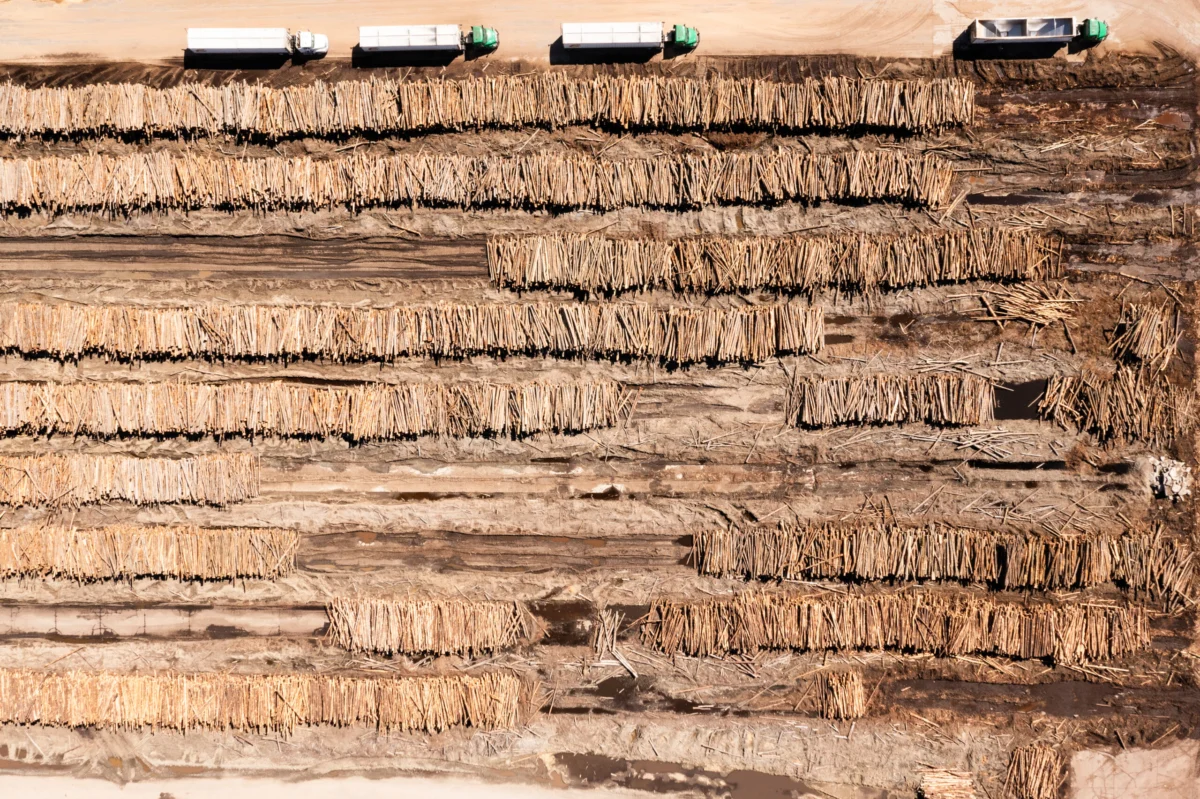
In the quiet, rural landscape of Faison, North Carolina, the air is often thick—not with the scent of pine or fresh earth, but with a fine, pervasive dust. For residents like Ruby Bell, a retired educator, this dust is a physical manifestation of a broken promise. When the world’s largest producer of wood pellets, Enviva Biomass, constructed a "state-of-the-art" facility in her backyard, the company touted economic revitalization and green energy. Instead, residents found themselves at the center of a mounting environmental justice crisis.
Bell’s experience is a snapshot of a broader, systemic struggle. After spending just 20 minutes outside talking to a neighbor, she returned home with burning eyes and a runny nose—her clothes coated in a layer of industrial grit. "If it’s like this after 20 minutes," she recalls, "I can only imagine what it’s like for those people living there permanently." Her skepticism, shared by many in the region, has transformed into a decade-long crusade against an industry that claims to be a climate savior while leaving local communities to choke on its byproduct.
The Genesis of a Conflict: A Chronology of Environmental Injustice
The rise of the wood pellet industry in the American South is rooted in global climate policy. In the late 2000s, the European Commission introduced an ambitious energy policy package, mandating a 20% reduction in greenhouse gas emissions and a 20% increase in renewable energy. To meet these targets, European utilities pivoted to biomass—burning wood pellets as a "carbon-neutral" alternative to coal.
The American South, with its vast, accessible timberlands, became the primary supplier for this European demand.
- 2010s: Enviva and other biomass companies began an aggressive expansion across North Carolina and neighboring states, promising local communities hundreds of well-paying jobs and a sustainable industrial future.
- 2019: Despite mounting evidence of air quality violations and repeated citations for excessive emissions, the North Carolina Department of Environmental Quality (NCDEQ) granted Enviva’s request to expand its production capacity in Sampson County, over the strenuous objections of local residents.
- Present Day: What was once viewed as a potential economic engine has largely been categorized by advocates as an environmental burden. The promised jobs have often failed to materialize at the scale projected, while the ecological and health impacts have intensified.
Empowering the Frontline: The Rise of EJCAN
The failure of regulatory oversight to protect vulnerable populations spurred the career change of Sherri White-Williamson. After a distinguished, multi-decade tenure in federal agencies in Washington, D.C., White-Williamson returned to her home state of North Carolina with a singular mission: to confront industrial pollution head-on.
Recognizing that the law is a potent tool for change, she enrolled in Vermont Law School at the age of 63. Upon graduating, she founded the Environmental Justice Community Action Network (EJCAN). The organization’s philosophy is rooted in the belief that the most effective advocates are those living directly in the path of industrial harm. EJCAN serves as an educational and technical bridge, providing rural communities with the resources—scientific research, air quality monitoring, and legal guidance—necessary to challenge major corporations.
"The story is always the same," White-Williamson observes. "The community that doesn’t have the power, or the access to power, to politicians, or to decision-makers is always getting the short end of the stick."
The Myth of Sustainability: Deforestation and Carbon Debt
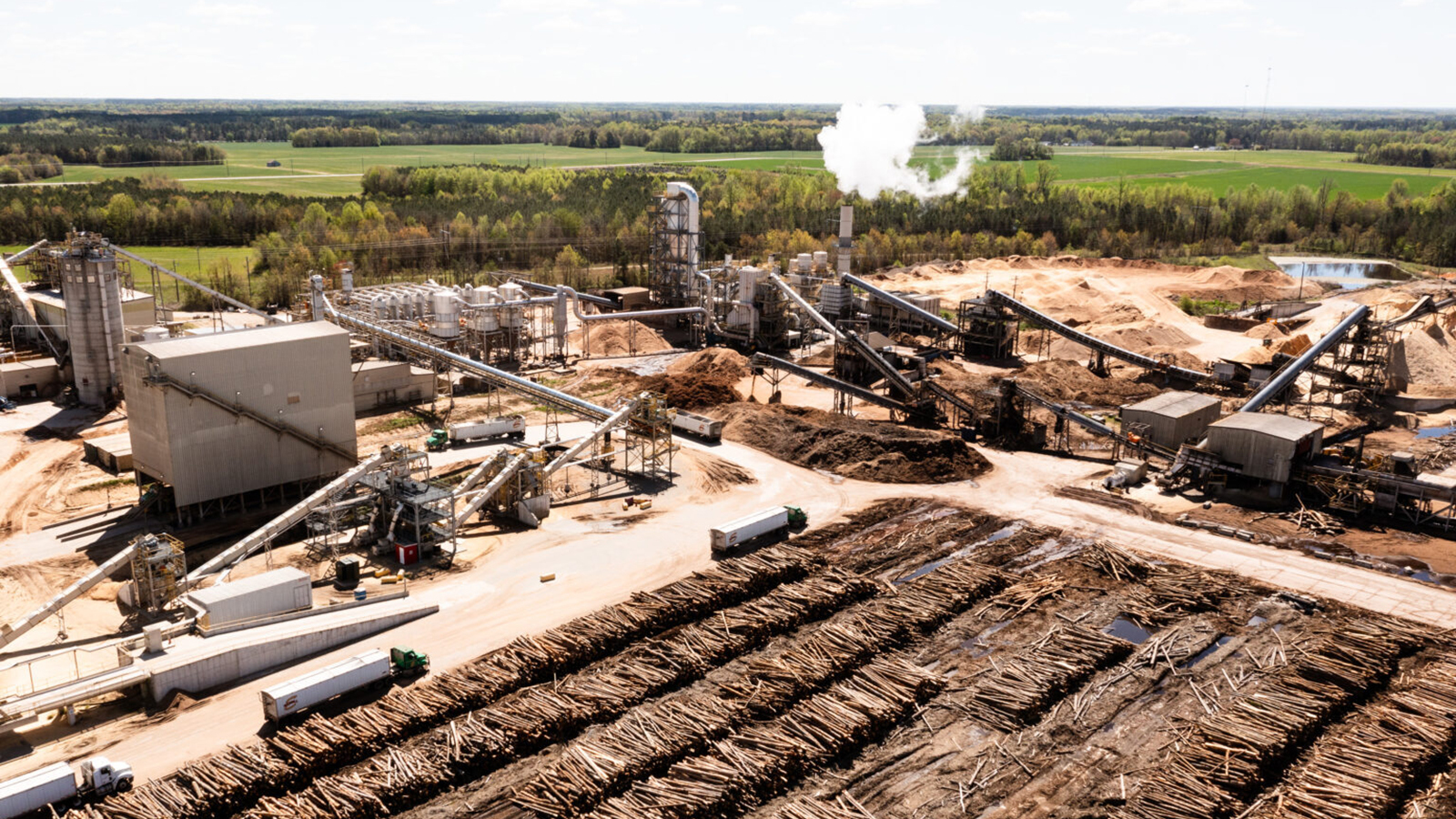
Enviva’s business model relies on the narrative that their pellets are made from waste—tree limbs and low-value scraps unsuitable for construction. However, environmental watchdogs, including the Dogwood Alliance and the Southern Environmental Law Center (SELC), have consistently provided visual and anecdotal evidence to the contrary.
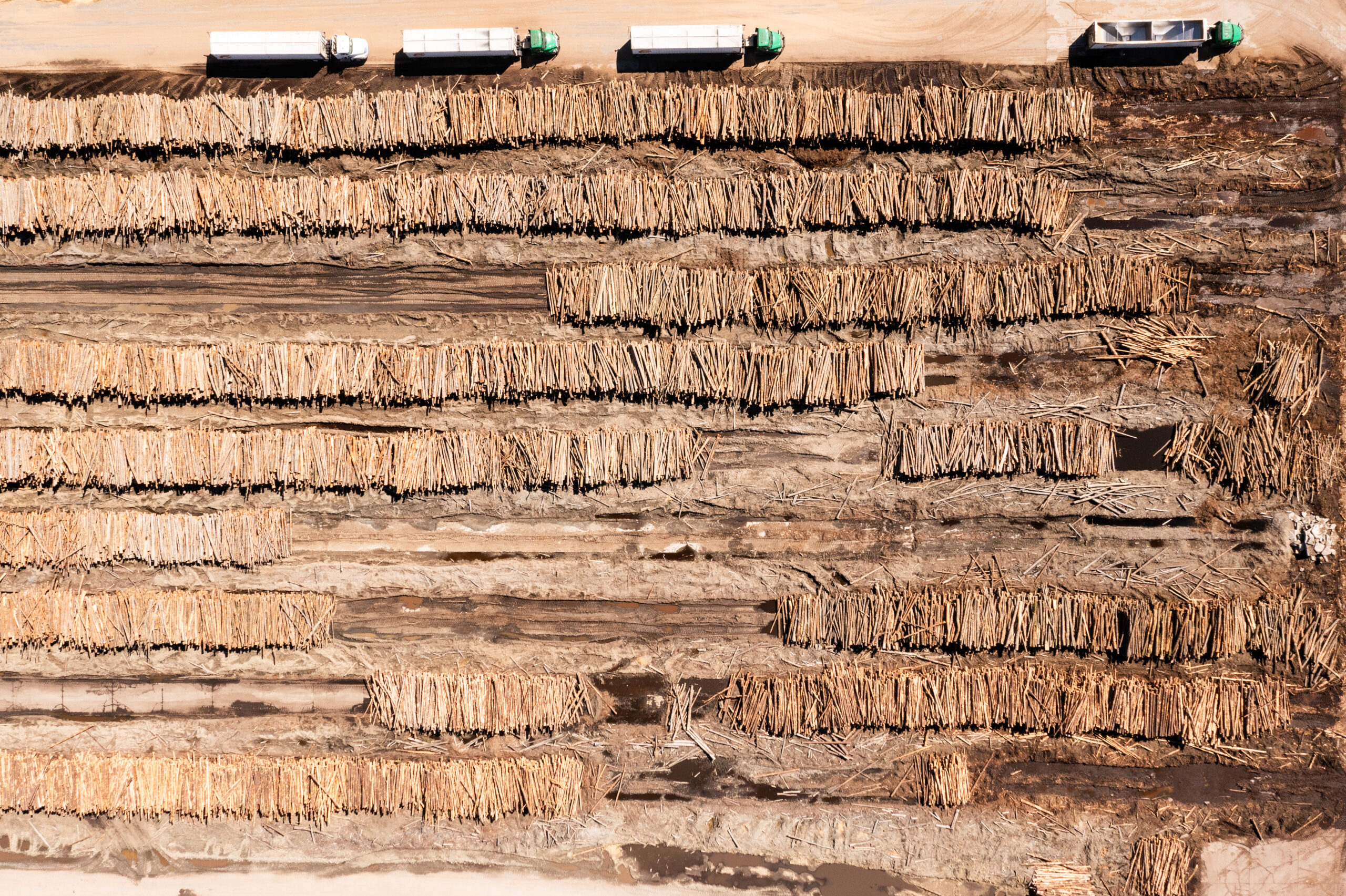
Investigations have captured imagery of clear-cut logging and mature, healthy trees being harvested specifically to feed the insatiable demand of pellet mills. The Dogwood Alliance estimates that Enviva facilities in North Carolina alone consume approximately 50,000 acres of forest annually. This deforestation has severe implications:
- Loss of Carbon Sinks: Forests that would otherwise sequester carbon are being razed.
- Increased Flooding: The removal of mature canopy cover reduces the land’s ability to absorb rainfall, leading to increased runoff and flooding in local communities.
- The Carbon Debt: Research from the Massachusetts Institute of Technology (MIT) suggests that it can take over a century for newly planted trees to capture the same amount of CO2 that is released instantly during the combustion of wood pellets. In many cases, burning biomass emits more carbon per unit of energy than burning coal.
Toxic Consequences: The Health Data
The environmental impact is not limited to the forest. The manufacturing process—chipping, drying, and pressing wood—releases a hazardous cocktail of particulate matter (PM), carbon monoxide, nitrogen oxide, and volatile organic compounds (VOCs).

Dr. Danielle Purifoy, a professor of geography and environment at the UNC Gillings School of Public Health, emphasizes the danger to human health. "We already know that those pollutants tend to have impacts on respiratory systems and sinuses that can be harmful for folks who have asthma and any other kind of respiratory illness," she notes.
A critical finding in recent academic literature is that wood-pellet facilities are statistically 50% more likely to be sited in communities that are already marginalized or burdened by other forms of pollution. This creates a "cumulative impact" scenario, where residents are exposed to multiple industrial hazards simultaneously, exacerbating long-term health risks.
Supporting Data: The Voice of the Community
In 2024, the Southern Environmental Law Center led a coalition to document the lived experiences of those residing near these facilities. The resulting report provided quantitative data to back years of qualitative complaints.
The survey findings were stark:
- Quality of Life: Residents reported an inability to sit on their porches, a need to wash cars daily due to dust accumulation, and in extreme cases, the necessity of wearing masks while indoors.
- Economic Impact: The noise and traffic, often operating around the clock, have degraded the peaceful nature of rural residential life.
- Community Frustration: Respondents expressed deep-seated resentment at being ignored by local government and regulatory bodies, emphasizing that their health was sacrificed for the export of energy to overseas markets.
"The results of this survey confirm what we have known for years: Biomass wood pellet plants do incredible amounts of harm to nearby communities," said Jasmine Washington, a staff attorney at the SELC.
Implications for the Future of Energy
The struggle in North Carolina serves as a cautionary tale for the global transition to renewable energy. When "green" solutions are implemented without regard for environmental justice or local health, they risk repeating the mistakes of the fossil fuel era.
White-Williamson remains steadfast in her work with EJCAN. By educating residents on the direct link between their physical symptoms and the industrial operations surrounding them, she is helping to build a grassroots movement capable of demanding accountability.
"Folks are speaking up more because they now understand that there is a direct link between what they or their family is experiencing, and what’s going on around them," she says.
As the global debate over the viability of biomass continues, the residents of Faison and Sampson County remain on the frontlines. They are no longer just passive observers of industrial development; they are active, informed advocates, challenging a system that prioritizes international carbon targets over the lungs and livelihoods of the people living in the shadow of the mills. The fight, as Ruby Bell discovered, may be an uphill climb, but it is one that these communities are increasingly equipped to win.
The Environmental Justice Community Action Network (EJCAN) is a North Carolina-based nonprofit dedicated to advancing environmental justice in rural communities. Through scientific research, air and water quality monitoring, and legal advocacy, EJCAN empowers residents to hold polluters accountable and fight for the right to a clean, safe environment.

 Suro Senen
 Iffa Jayyana