

 Iffa Jayyana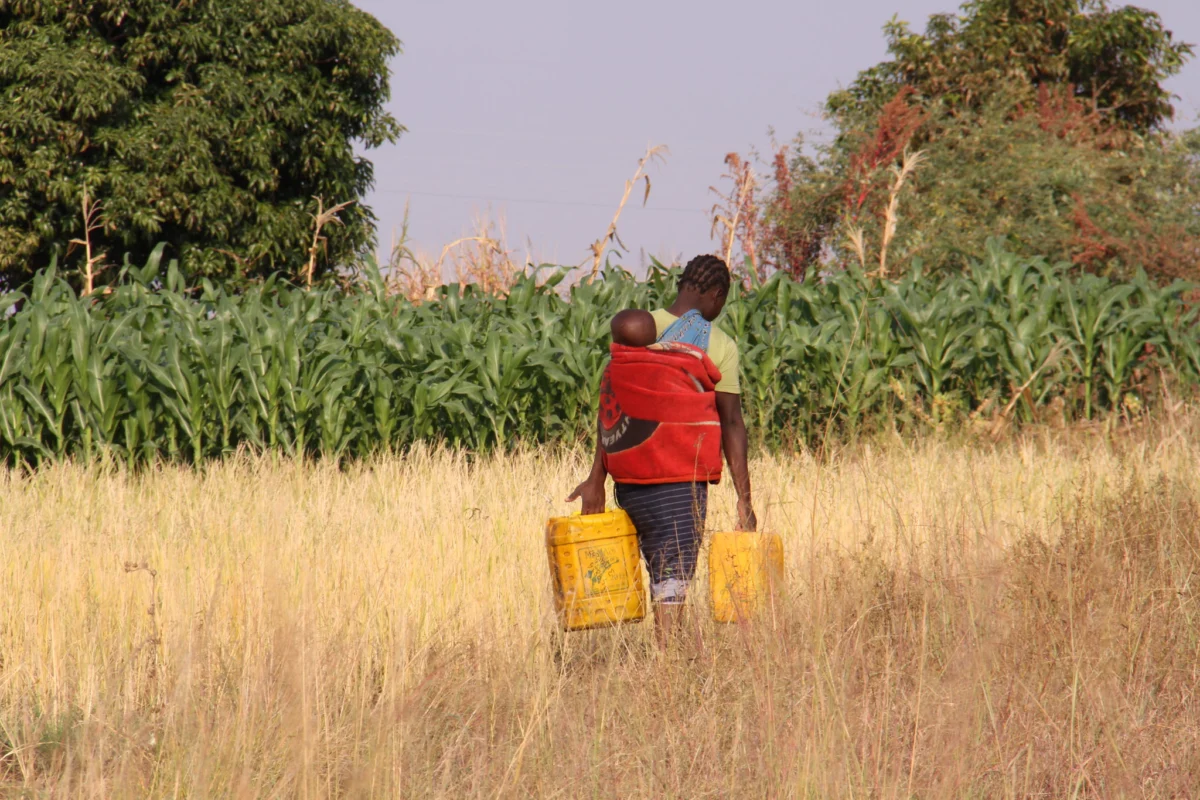
Southern Africa is currently standing at a perilous crossroads. As one of the world’s most climate-vulnerable regions, it is grappling with a "polycrisis" where rising temperatures, erratic precipitation, and extreme weather events are no longer just environmental concerns—they are catalysts for deep-seated social instability.
For decades, the discourse on climate change in the region has been siloed, treated primarily as an environmental or agricultural issue. However, new evidence presented at a high-level conference in Johannesburg on March 10, 2026, suggests that the climate crisis is actively eroding the social fabric of the region. From water disputes in Zambia to the exploitation of disaster-stricken communities by insurgents in Mozambique, the link between a changing climate and human security has become undeniable.
The Core Challenge: A Landscape of Compounded Risks
The vulnerability of Southern Africa is deeply rooted in its socio-economic structure. With approximately 45% of the population living below the poverty line and relying heavily on subsistence agriculture, any disruption to the climate is an immediate threat to economic survival.
When crops fail due to drought or infrastructure is decimated by cyclones, the impact ripples outward. Rural communities face the most direct consequences, but the shockwaves reach urban and peri-urban centers through food price volatility, energy shortages—often tied to hydroelectric dependency—and sudden spikes in unemployment. These climate-driven stresses deplete government coffers, limiting the state’s ability to provide basic services, maintain environmental protections, or sustain social safety nets.
Chronology of the Escalating Crisis
- The Last Two Decades: A documented rise in temperatures and a decline in predictable rainfall patterns have systematically undermined traditional livelihoods across the SADC region.
- 2024: Prolonged, severe droughts hit Malawi, Zambia, and Zimbabwe, forcing governments to declare national states of emergency and highlighting the limitations of reactive, disaster-relief-only policies.
- March 10, 2026: The "Climate Talks" high-level conference in Johannesburg, organized by the German Embassy and the CGIAR Climate Security Hub, serves as a watershed moment for recognizing the climate-security nexus.
- December 2026 (Upcoming): COP31 in Brazil, where African nations aim to push for a new paradigm in climate finance that prioritizes human security and conflict-sensitive adaptation.
Evidence from the Field: How Climate Eviscerates Social Cohesion
The research presented by the CGIAR Climate Security Team, representing studies from Mozambique, South Africa, Zambia, and Zimbabwe, provides a sobering look at how climate change is tearing at the seams of local communities.
Water and Land: The New Flashpoints
In the Southern Provinces of Zambia, the struggle for water has moved beyond a resource management issue into a source of daily friction. Erratic rainfall has led to mounting disputes between cattle herders and among women at communal boreholes. Similarly, in South Africa’s Northern Cape, the scarcity of grazing land has fueled cattle rustling, with minor disputes increasingly escalating into cycles of violence and fatalities.
Migration and Urban Strain
Migration, historically a survival strategy, is now a flashpoint. In Zimbabwe’s major cities, such as Harare and Bulawayo, the influx of climate-displaced rural populations has led to the rapid, unplanned growth of informal settlements. This puts immense pressure on public infrastructure and fuels grievances against authorities, who are perceived as failing to manage the urban expansion. In Zambia, internal migration from the south to the north has created cultural clashes, as traditional agricultural knowledge systems collide with the needs of newcomers.
The Security Vacuum
Perhaps most alarming is how extreme weather creates opportunities for non-state actors. In Mozambique’s Cabo Delgado region, cyclones destroyed road networks, isolating communities from government aid. Insurgent groups have exploited this gap, stepping in as "alternative service providers" to win over desperate populations. Furthermore, youth in displacement camps, facing limited legal economic opportunities, are increasingly vulnerable to recruitment by extremist groups.
Coping Mechanisms: A Path Toward Social Decay
When resilience is exhausted, populations turn to "harmful coping mechanisms." In Zimbabwe, this includes the withdrawal of the girl child from school and early marriage, as families struggle to afford basic necessities. In other areas, the shift toward illicit artisanal mining or charcoal production—while providing short-term income—leads to long-term environmental degradation and biodiversity loss, further fueling the cycle of vulnerability.
Official Responses and Policy Shifts
The Johannesburg conference brought together representatives from the African Union Development Agency (AUDA-NEPAD), the GIZ, the FAO, and the Food, Agriculture and Natural Resources Policy Analysis Network (FANRPAN). The consensus among these stakeholders was clear: Climate action must be conflict-sensitive.
Bridging the Policy Gap
Currently, most Nationally Determined Contributions (NDCs) and National Adaptation Plans (NAPs) fail to account for the nuances of migration, conflict, and social cohesion. Panellists argued that:
- Mainstreaming Social Cohesion: Climate strategies at the sub-national and regional levels must include metrics for social stability. If a development project ignores the existing power dynamics in a community, it risks exacerbating local tensions.
- From Reactive to Anticipatory: The reliance on reactive disaster relief is unsustainable. Investments must shift toward anticipatory action, such as the African Union’s Continental Early Warning System (CEWS), which should be upgraded to integrate climate-security data.
- Local Knowledge as Currency: Policy must be grounded in the lived experiences of those on the front lines. Collaborative platforms between research institutions and regional bodies are essential to ensure that policies reflect local realities rather than top-down theoretical models.
Implications for COP31: The Global Stage
As the international community prepares for COP31 in December 2026, Southern Africa’s experience offers a warning to the rest of the world. Despite contributing the least to global carbon emissions, the region is paying the highest price in terms of social and political instability.
A New Mandate for African Diplomacy
African nations are now positioning themselves to demand a shift in global climate finance. The message for COP31 is three-fold:
- Beyond Infrastructure: Adaptation finance must move beyond building sea walls or irrigation canals; it must fund governance systems, peace-responsive programming, and community-based resilience.
- Locally Led Adaptation: The failure of centralized systems in the face of climate shocks has proven that local actors must be the primary agents of change. Financing mechanisms must be designed to reach these actors directly.
- The Security Imperative: Climate change is no longer just an environmental issue—it is a developmental and political challenge. Africa’s climate diplomacy will increasingly frame climate change as a fundamental issue of human security, essential to achieving the goals of Agenda 2063 and the UN Sustainable Development Goals.
Conclusion: The Path Ahead
The findings from the Johannesburg conference highlight that Southern Africa’s future depends on a holistic integration of climate, peace, and development. We can no longer afford to treat the "climate-security nexus" as an academic exercise.
The evidence is clear: when the climate shifts, the social contract is strained. If governments and international partners do not act to proactively manage these risks, the region faces a future of escalating conflict, mass displacement, and eroded governance. However, by fostering dialogue between scientists, policymakers, and local communities, and by ensuring that COP31 results in concrete, peace-responsive funding, there remains a window of opportunity to build a resilient and stable Southern Africa.
The integration of climate-security policy is not merely a technical adjustment; it is a strategic imperative for the preservation of peace in an era of rapid environmental transformation. As stakeholders move forward, the focus must remain on the people at the heart of these crises—ensuring that their voices inform the policies that will define their future.

 Suro Senen
 Rifan Muazin