
 Suro Senen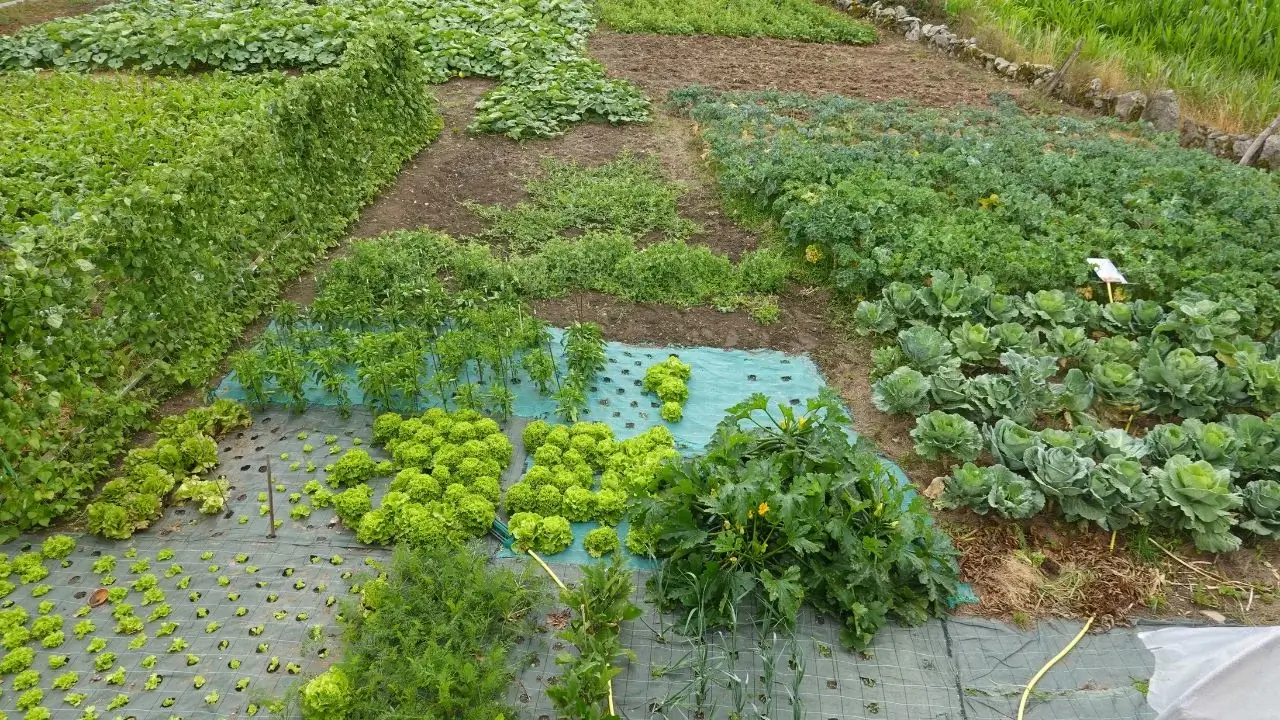
For many, the word "permaculture" conjures images of expansive, wild-growing homesteads far removed from the constraints of modern city life. However, a growing movement is challenging this perception, proving that the regenerative principles of permaculture are not only applicable but vital for small-scale urban and suburban landscapes.
Brandy Hall, a leading permaculturalist and founder of the landscaping firm Shades of Green, is at the forefront of this shift. Through her professional practice and her recently published book, The Complete Guide to Home Permaculture, Hall is demystifying the process of transforming sterile lawns and constrained backyards into thriving, self-sustaining ecosystems.
The Core Philosophy: Moving Beyond Extraction
At its heart, permaculture is a design philosophy that seeks to mirror the patterns and relationships found in nature. Rather than imposing rigid, industrial-style order on a landscape—often involving chemical fertilizers, heavy irrigation, and monocropping—permaculture invites the gardener to observe, interact, and integrate.

"Permaculture is about relationships," Hall explains. "It is about understanding how water, soil, plants, animals, and people interact, and then designing systems that support those relationships rather than work against them."
This systemic view is a radical departure from traditional landscaping. In the conventional model, a garden is a static feature; in a permaculture model, it is a dynamic, evolving process. The ultimate goal is to create landscapes that "build life" rather than extract from it, effectively turning home gardens into carbon-sequestering, biodiversity-rich sanctuaries.
A Personal Origin: The Catalyst for Change
Hall’s commitment to this field is deeply personal. Her journey into regenerative agriculture was spurred by a traumatic encounter with industrial chemical runoff. In the introduction to her book, she recounts the harrowing effects that synthetic herbicides had on her family’s health—an experience that highlighted the hidden, often invisible costs of conventional land management.

This experience served as a catalyst for her professional pivot toward regenerative practices. By moving away from toxic inputs, Hall found that she could not only restore her own health but also provide a template for others to do the same. Her work today focuses on helping clients create landscapes that are not just aesthetically pleasing, but biologically active and safe for human and animal inhabitants alike.
Practical Implementation: The First Steps
For many landowners, the barrier to entry for permaculture is the perceived complexity of the systems. However, Hall emphasizes that one does not need to overhaul an entire property in a single weekend.
Observation as the First Tool
"The first step is always observation," says Hall. Before planting a single seed, one must understand the "flow" of the land. How does water move during a heavy rain? Which areas receive the most sun, and where are the cold pockets? By mapping these natural movements, a homeowner can place elements—like rain gardens or fruit trees—in locations where they will naturally thrive with minimal human intervention.

Water: The Great Driver
One of the most critical, yet overlooked, components of a successful permaculture site is water management. In many regions, the climate is becoming increasingly volatile, with intense droughts punctuated by heavy, erosive downpours.
"People tend to treat water as a nuisance, sending it away through storm drains," Hall notes. "But in a permaculture system, we want to slow it, spread it, and sink it." Techniques such as swales, rain gardens, and increased soil organic matter act as a "sponge," retaining moisture for dry periods and preventing the runoff that carries away precious topsoil.
Protecting the Soil Sponge
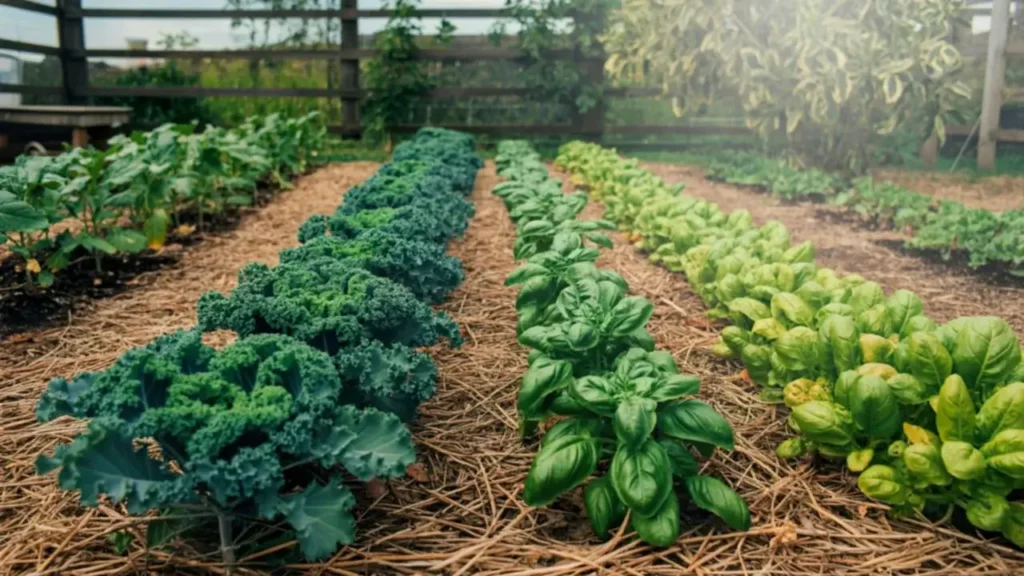
"Bare soil is incredibly vulnerable," Hall warns. Whether through mulch, cover cropping, or living ground covers, keeping the soil covered is a non-negotiable principle. When soil is exposed to the elements, it loses its biological activity and its ability to sequester carbon. By focusing on building the "sponge layer"—the topsoil’s capacity to hold moisture and support microbial life—gardeners can drastically reduce their reliance on irrigation and external inputs.
The Regenerative Farm: A Model for All Scales
While Hall specializes in home landscapes, her principles are increasingly relevant to the broader agricultural community. As small-scale market farmers look for ways to boost yields while reducing costs, the permaculture lens offers a roadmap.
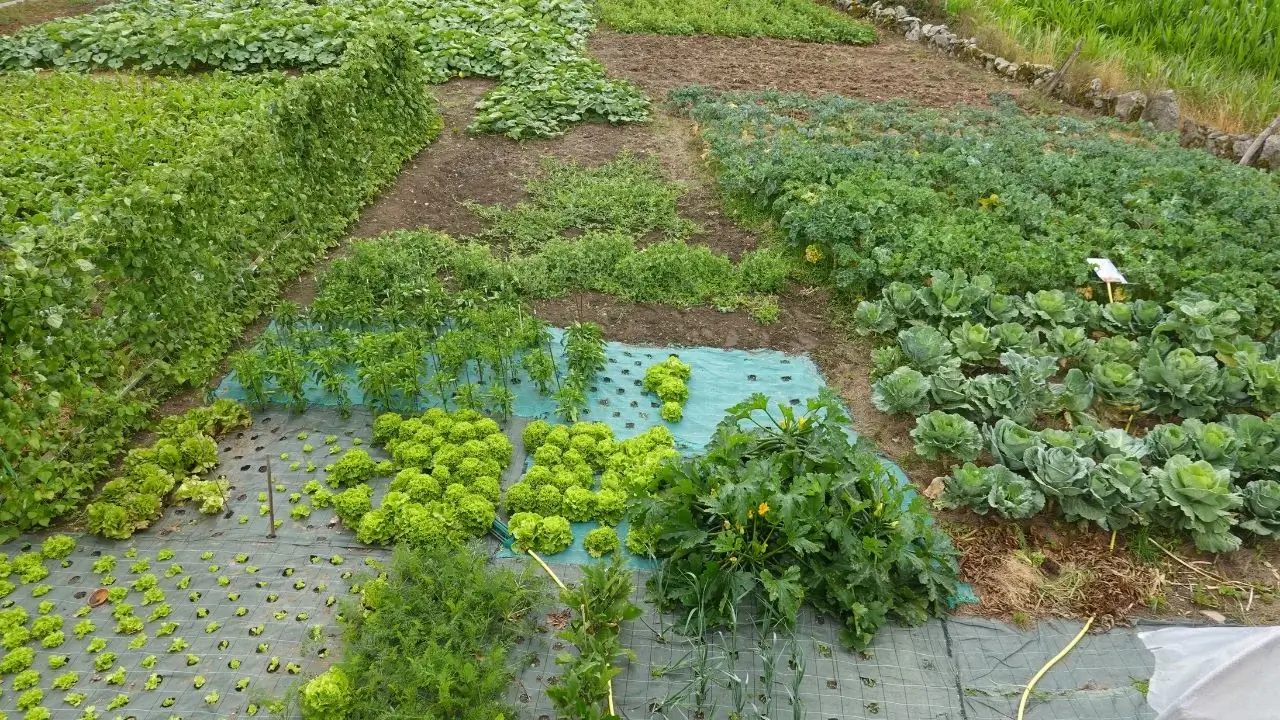
A regenerative farm, viewed through this lens, is a landscape of diversity. Instead of monocrop fields that require constant chemical defense, a permaculture farm utilizes polycultures, where different species provide mutual benefits—such as nitrogen-fixing legumes supporting fruit trees, or ground covers suppressing weeds.
Buffering Against External Pressures
A significant challenge for smaller growers is the influence of neighboring, large-scale industrial farms. Chemical drift and runoff can threaten the integrity of a regenerative site. Hall suggests that the most effective response is the strategic use of "buffering."
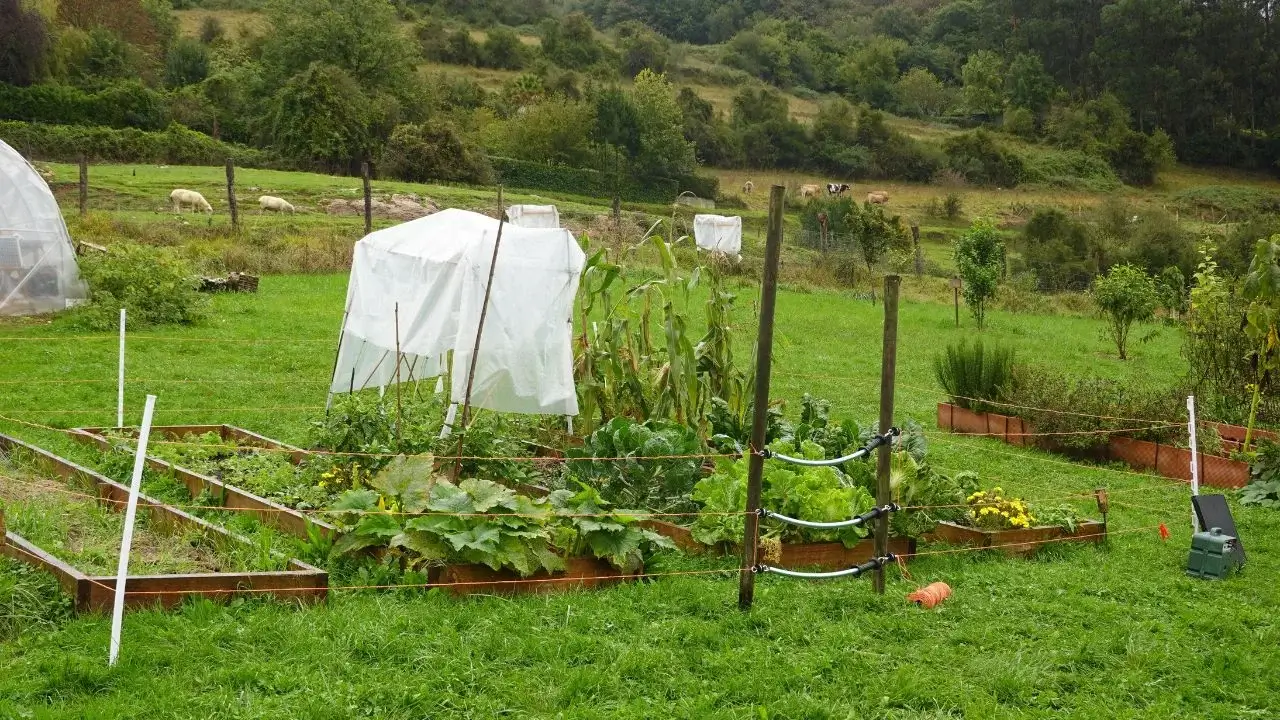
"Hedgerows, windbreaks, and densely planted edges can help reduce chemical drift, provide habitat for beneficial insects, and create a physical and ecological boundary," she explains. These edges are often treated as "wasted space," but in a permaculture design, they are the first line of defense, providing both protection and habitat.
Implications for the Next Generation
As we face an era of climate instability, the role of land stewardship is shifting. Hall believes that the most important lesson to pass on to the next generation is the transition from a "control" mindset to one of "active response."
"We’ve inherited a model that prioritizes short-term yield over long-term health," Hall states. "Regenerative work asks us to take a longer view. It asks us to understand that we are part of a living system, not separate from it."
This education happens in the garden, by teaching children and young growers how to read the land. It involves learning to notice changes in soil health, identifying beneficial versus harmful insects, and understanding the role of water. By modeling this care, practitioners are not just growing food; they are cultivating a culture of humility, collaboration, and resilience.
Summary of Key Takeaways
For those looking to transition their own spaces, the advice from Brandy Hall is clear and actionable:
- Start Small: Focus on one area of the yard. Observe the water flow and the light before making changes.
- Prioritize Soil Health: Use compost, organic mulch, and cover crops to keep the ground covered and the soil biology alive.
- Think in Systems: Don’t just plant a vegetable; plant a "guild" of plants that support one another.
- Manage Water Intelligently: Use the landscape to capture rainfall rather than channeling it away.
- Lead by Example: Share the results with neighbors. When they see a landscape that is productive, resilient, and beautiful, they are more likely to adopt similar practices.
Looking Forward
The movement toward home permaculture is, at its core, a movement of hope. It empowers individuals to take agency over their immediate environment, reducing their ecological footprint while increasing their personal connection to the natural world.

As Brandy Hall continues to document her work and train new practitioners, the message remains consistent: Permaculture is not a rigid set of rules, but a flexible, living framework. Whether you have an acre of farmland or a small city backyard, the opportunity to build a more resilient future begins with the next shovel of dirt. By shifting our perspective, we can turn our homes into active participants in the restoration of our local ecosystems.
Through the lens of The Complete Guide to Home Permaculture, the future of agriculture—and the future of our backyards—looks not like a sterile, controlled factory, but like a diverse, flourishing, and interconnected landscape. In the end, it is about creating a legacy that feeds both the body and the land for generations to come.

 Iffa Jayyana
 Rifan Muazin