

 Ali Ikhwan
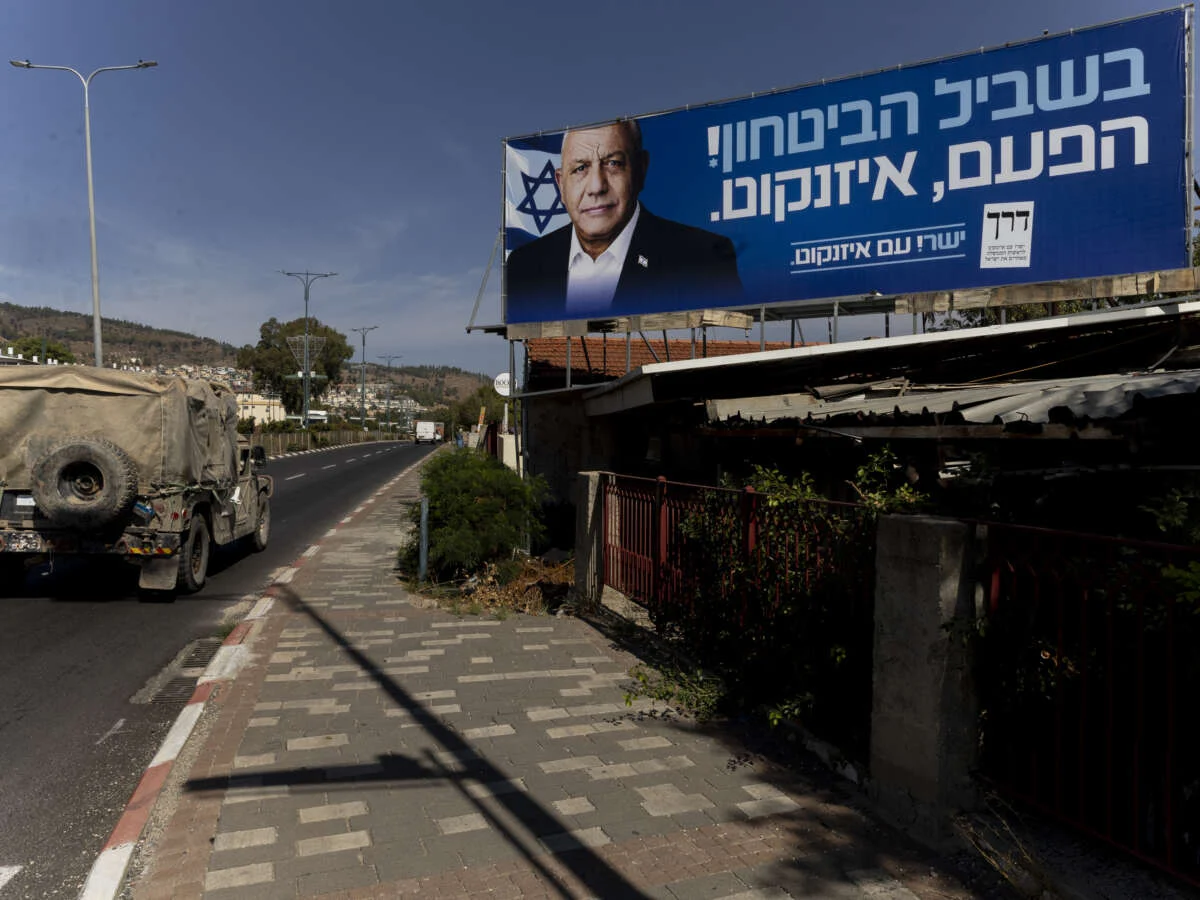
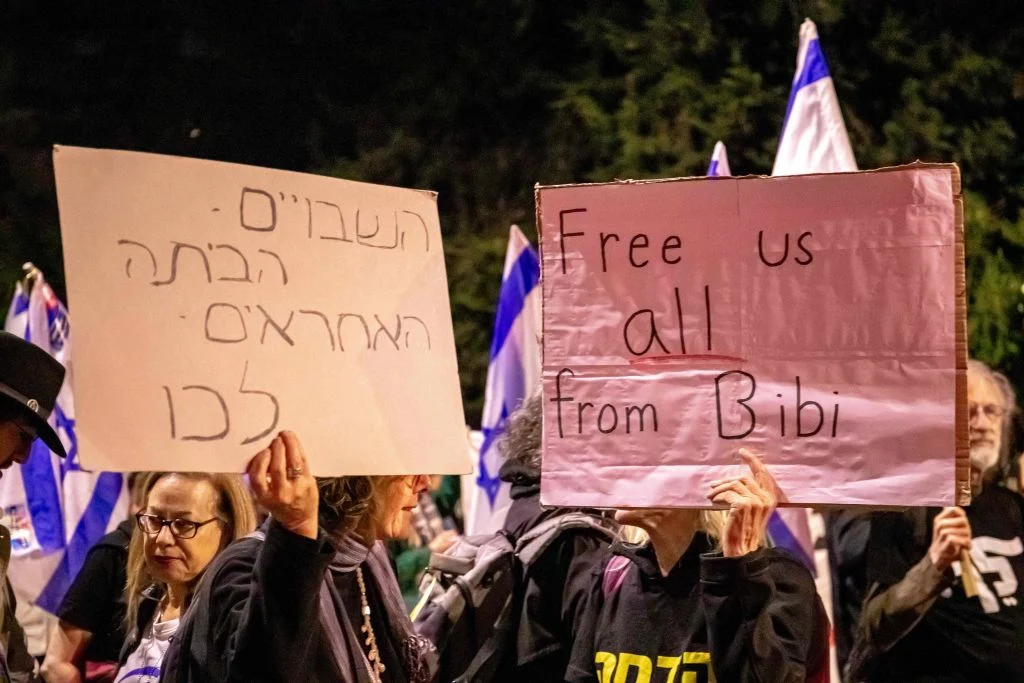
As Israel prepares for its general elections scheduled for October 27, the political landscape is dominated by a fierce rivalry between incumbent Prime Minister Benjamin Netanyahu and his challenger, former military chief Gadi Eisenkot. While the Israeli public debates the future of its leadership, the atmosphere in the Gaza Strip remains one of profound skepticism. For the residents of Gaza, the upcoming ballot is not viewed as a democratic exercise in potential policy shifts, but rather as a contest between different methods of achieving the same objective: the fundamental erasure of Gazan reality.
These elections mark a grim milestone—the first since the inception of Israel’s war on Gaza following the October 7, 2023, attacks. As the campaign intensifies, the humanitarian catastrophe in the enclave has been weaponized, transformed from a site of unspeakable suffering into a primary theater for electoral posturing.
The Political Calculus of War
The Likud party, under the stewardship of Benjamin Netanyahu, has centered its platform on the continuation of military operations. Netanyahu has consistently framed the ongoing destruction and the targeted assassinations of Palestinian faction leaders as the only viable "security" path for Israel. His campaign rhetoric serves a dual purpose: to project strength to the Israeli electorate and to paint his opponents as "weak" leaders who would purportedly yield to international pressure and accept a two-state solution—a prospect Likud remains militantly committed to preventing.
Conversely, Gadi Eisenkot, leading the Yashar party, has attempted to carve out a niche by promising a more "efficient" approach to the conflict. Speaking from the Gaza border, Eisenkot pledged to dismantle Hamas’s governance and military apparatus within 18 months of taking office. His strategy centers on a dichotomy: either the implementation of a regional framework—potentially involving plans previously championed by the Trump administration—or a decisive intensification of military force.
For the people living under the debris in Gaza, however, these distinctions are largely perceived as cosmetic. To them, both Netanyahu and Eisenkot represent different branches of the same political tree, both committed to policies that prioritize the reshaping of Gaza’s geography and culture to fit an Israeli character, rather than the restoration of Palestinian life.
The Far-Right Influence and "Disengagement 710"
The electoral rhetoric has been further radicalized by Netanyahu’s far-right coalition partners, most notably Finance Minister Bezalel Smotrich and National Security Minister Itamar Ben-Gvir. Both figures have been vocal in their support for the re-establishment of Israeli settlements in the Gaza Strip, viewing the current conflict as a historic opportunity to reverse the 2005 disengagement.
Perhaps most alarmingly for the international community is Ben-Gvir’s "Disengagement 710" proposal. This seven-year plan explicitly outlines the relocation of approximately 1.86 million Palestinians from Gaza. By framing this as a policy objective, the far-right has shifted the Overton window of Israeli politics, making the discussion of mass displacement and ethnic cleansing a normalized feature of the electoral discourse.
Humanitarian Crisis: A Demographic and Economic Siege
Beyond the rhetoric of the podiums, the reality on the ground is dictated by the expanding "Yellow Line"—an area under total Israeli military control that now encompasses between 63% and 70% of the Gaza Strip. Since the ceasefire agreement of October 10, 2025, the intensity of the conflict has not abated. In just over two weeks, 1,522 Palestinians have been killed and 5,421 injured, according to local health authorities.
The International Organization for Migration (IOM) has issued a dire warning: approximately 1.8 million people are facing their fourth consecutive winter in a state of acute vulnerability. With inadequate shelter, the threat of flooding, and plummeting temperatures, the lack of basic materials—timber, plastic sheeting, and heating equipment—is not merely a logistical failure but a calculated consequence of the Israeli blockade.
The Weaponization of Commerce
The fragility of life in Gaza was underscored in mid-October when the Israeli Coordinator of Government Activities in the Territories (COGAT) suspended the entry of commercial goods, citing alleged tax disputes between local merchants and Hamas. While Jihad Esleem, deputy head of the Private Transport Association in Gaza, announced the resumption of operations at the Kerem Shalom crossing on October 19, the temporary closure served as a harrowing reminder of the total dependency of the Gazan population on Israeli whims.
The economic fallout is immediate and punishing. The price of a 25-kilogram bag of flour has skyrocketed from 70 shekels to 150 shekels—a price point that effectively renders bread a luxury item for families already decimated by two years of unemployment and war. The restriction on vegetables, fruits, and poultry further ensures that malnutrition remains a pervasive, systemic threat.
The Fear of Renewed Escalation
The most pervasive fear among Palestinians in Gaza is that the election cycle will be used to trigger a "war-time boost" for the incumbent. Political analysts, including Haaretz military correspondent Amos Harel, have noted that Netanyahu views his political survival as inextricably linked to the ongoing conflict. Faced with a looming criminal trial and polling data that suggests a potential electoral defeat, there is deep concern that Netanyahu may initiate a massive military escalation to force a postponement of the vote.
For the average citizen, this means that their lives are being held hostage by the electoral calendar. Ranya Hammouda, a mother of five living in a crumbling tent, expressed a sentiment shared by many: "I fear that we might pay with our blood for the promises Benjamin Netanyahu makes to appease extremists. I fear that he might order vicious attacks against us simply to win more votes."
Perspectives from the Ground: Steadfastness Over Politics
The overarching narrative among the displaced in Gaza is one of profound disillusionment. Mohamed Abu Raylah, a 29-year-old programmer, reflects a common consensus: the change of a face at the top of the Israeli government does not equate to a change in the Israeli colonial project.
"The policies of killing, displacement, and destruction have been passed down through generations since 1948," Abu Raylah stated from his home in the ruins of Al-Shati Camp. "Whether it is Netanyahu or Eisenkot, the mentality remains that of an occupying power that believes we must be wiped out. None of them will come along and give us our rights. Change won’t come from them. It will come from our own steadfastness."
Implications for the Future
As the October 27 election nears, the international community watches a process that, while democratic in form, appears to offer no pathway to peace or justice for the Palestinian people. The institutionalization of the war, the explicit plans for annexation and displacement, and the total disregard for the humanitarian catastrophe in Gaza suggest that the status quo is not merely a temporary state of emergency, but a long-term strategic objective.
The upcoming election is unlikely to resolve the internal contradictions of Israeli society, nor will it alleviate the suffering of those in the Strip. Instead, it serves as a testament to the deepening entrenchment of a political system that relies on the perpetual exclusion and destruction of its neighbors. As the winter approaches, the residents of Gaza are left with little more than the grim reality of their survival, waiting for the political storms of Tel Aviv to pass, knowing that for them, the winter—and the war—will likely continue unabated.

 Rifan Muazin
 Ammar Sabilarrohman