



 Nana Muazin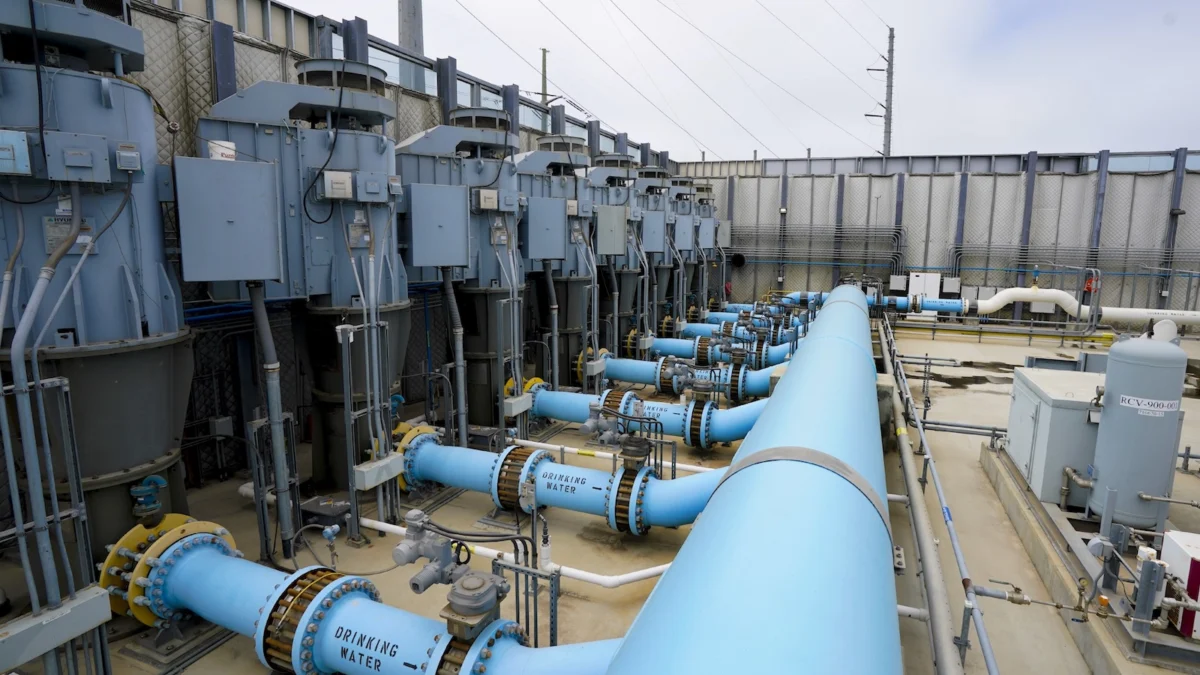
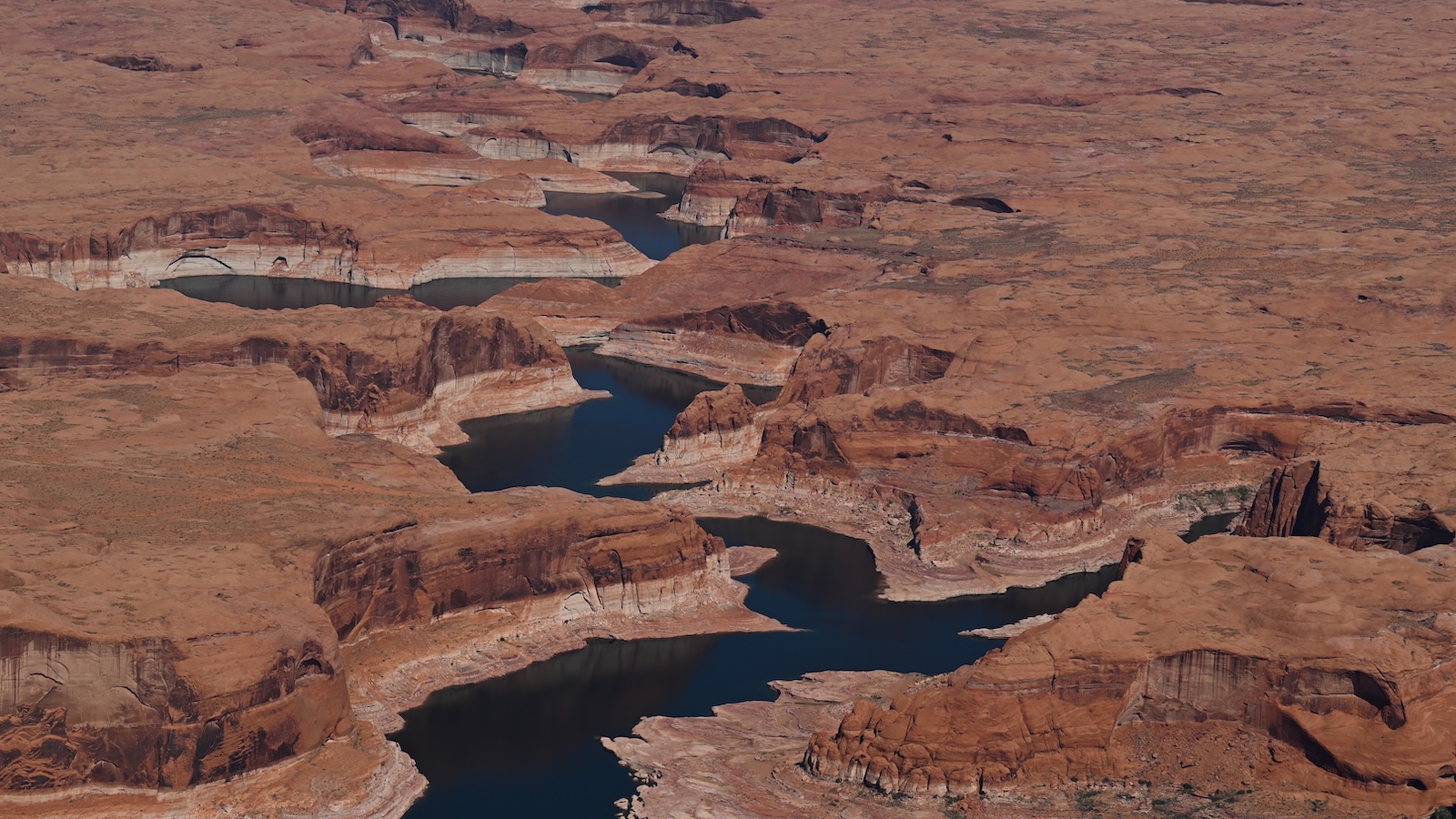
The Colorado River, the lifeblood of the American West, is facing an existential reckoning. For decades, the seven states that rely on this vital artery—Colorado, Utah, Wyoming, New Mexico, Arizona, Nevada, and California—have operated under a mathematical impossibility: they are consuming water at a rate that far outpaces the river’s natural replenishment. Driven by two decades of relentless drought and the long-term impacts of climate change, the basin’s two primary storage vessels, Lake Powell and Lake Mead, have plummeted to levels that threaten the stability of the entire region.
As the September deadline for federal intervention looms, the political machinery in Washington and the statehouses of the West are grinding to a halt. While the logical solution—a collective agreement to slash consumption—remains stalled by regional infighting, the federal government is increasingly looking toward a new, albeit controversial, strategy: attempting to "buy" its way out of the crisis through massive capital investment in infrastructure and technology.
A Chronology of Stagnation
The current impasse is the latest chapter in a century-long struggle to manage the West’s most precious resource.
- 1922: The Colorado River Compact is signed, dividing the river into Upper and Lower Basins. The allocation was based on unusually wet hydrological data, creating a structural deficit that has plagued the region for a century.
- 2000–Present: The "Millennium Drought" settles over the West. Lake Powell and Lake Mead begin a sustained, multi-decade decline.
- 2022: Negotiations for a new, post-2026 operating framework stall. Despite the severity of the drought, regional tensions escalate into open hostility, with Lower Basin states (Arizona, California, Nevada) and Upper Basin states (Colorado, Utah, Wyoming, New Mexico) trading blame over legal and moral obligations to conserve.
- 2023–2024: Federal intervention, led by the Biden administration, utilizes the Inflation Reduction Act to pay farmers to fallow fields, providing temporary relief but failing to achieve a long-term consensus.
- 2026 (Present): With the Trump administration now in office, Interior Secretary Doug Burgum has remained cautious, avoiding a definitive mandate on mandatory cuts. Meanwhile, states have submitted a $50 billion "wish list" for federal funding, pivoting from conservation to infrastructure expansion.
The Stalemate: A House Divided
The core of the dispute lies in the interpretation of the "Law of the River." The Upper Basin states argue they are being unfairly asked to shoulder the burden of shortages, while the Lower Basin states—specifically California, which holds the most senior water rights—contend that their established legal entitlements should be shielded from aggressive cutbacks.
This friction has rendered the negotiation table toxic. Because a consensus on who should bear the pain of reduced consumption—be it urban residents losing green spaces or agricultural sectors retiring vast tracts of farmland—is politically radioactive, states have essentially opted out of the "demand management" conversation. Instead, they have coalesced around the idea of "supply augmentation."
"It is something easier for people to agree on," says Jennifer Pitt, Colorado River program director at the National Audubon Society. "This is a slow-moving crisis, but it is a crisis. We see federal funding come in to address crises in other parts of the country; just because this is a slow-moving one doesn’t make it any less worthy."
Proposed Solutions: The $50 Billion Wish List
With traditional conservation measures stalled, the states and a new wave of private-sector startups have presented a diverse—and often polarizing—array of solutions to the Department of the Interior.
Desalination and Interstate Exchange
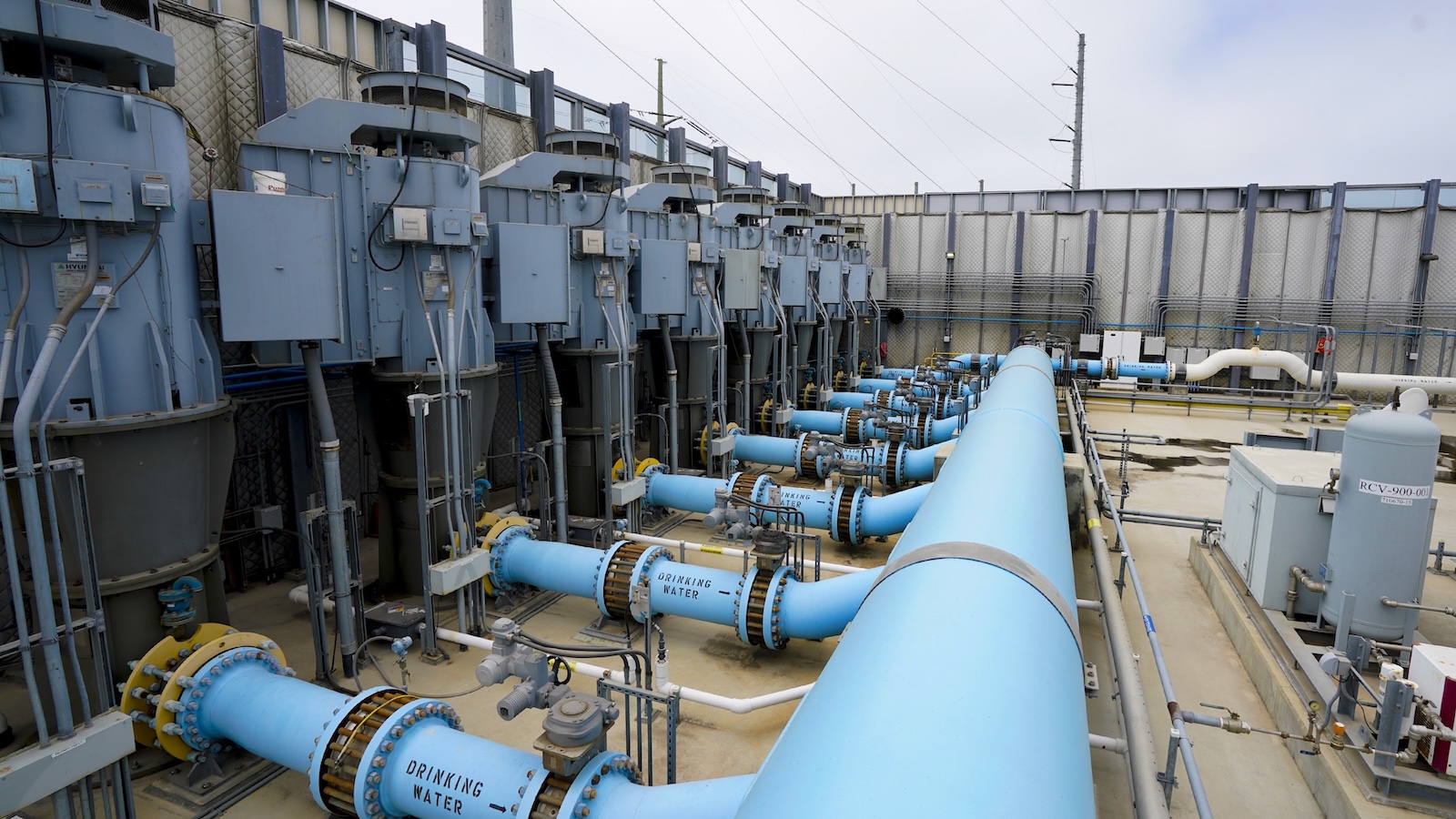
Desalination, long considered a "holy grail" of water security, has moved back to the forefront. The proposal to build a $6 billion facility in Baja California, Mexico, to supplement Arizona’s supplies is gaining traction. The logic is simple: by increasing the total supply available to the region, states can engage in "water swapping." For instance, if the federal government helps fund a desalination plant that provides water to Southern California, that region could theoretically reduce its draw from the Colorado River, leaving more for the inland states. However, the energy intensity and environmental costs of such plants remain significant hurdles.
Taming the Tech-Driven Thirst
Nevada, arguably the most efficient water user in the basin, is shifting its focus to industrial consumption. As the tech boom drives the construction of power plants and AI data centers, the "Silver State" is seeking $300 million to retrofit natural gas plants and $650 million for zero-water cooling systems. These closed-loop systems, which recirculate water or utilize air-cooling, are viewed as essential to preventing industrial growth from cannibalizing residential water supplies.
Weather Engineering: The Cloud Seeding Frontier
The Upper Basin, which relies heavily on mountain snowpack, is doubling down on "weather modification." Cloud seeding—the process of dispersing silver iodide into clouds to trigger precipitation—has moved from the fringes of science into a recognized water management tool. While Utah has utilized it for years, startups like Rain Enhancement and Rainmaker are now pitching hyper-scaled versions of this technology to federal regulators, claiming they can close the supply gap within a decade. Critics remain skeptical, labeling these claims as "fanciful," yet they are attracting interest from an administration eager for technological, rather than regulatory, solutions.
The Return of Groundwater Mining
Perhaps the most contentious project is Cadiz, a long-stalled proposal to pump groundwater from the Mojave Desert. Despite losing federal permits and facing intense opposition from environmental groups, the company is attempting a comeback. CEO Susan Kennedy frames the project as an "all-of-the-above" necessity, though its absence from the states’ formal wish list suggests that even the proponents of supply augmentation view Cadiz as a bridge too far.
Official Responses and Federal Implications
During a recent Senate committee hearing, Andrea Travnicek, the Interior Department’s top water official, remained non-committal. While she urged lawmakers to be "thoughtful" regarding the expenditure of billions of taxpayer dollars, the mood in the Senate was one of cautious optimism.
Senator Martin Heinrich of New Mexico captured the prevailing sentiment: "The basin should not be forced to choose between stabilizing the present and negotiating the future."
The implications of this shift are profound. By moving toward infrastructure-heavy solutions, the federal government risks creating a "moral hazard." If states believe that Washington will eventually pay for the technological fixes to their water shortages, the incentive to implement difficult, long-term conservation policies diminishes.
Conclusion: A Precarious Future
The Colorado River is no longer a sustainable resource under current management patterns. While the infusion of federal cash may stave off a total collapse of Lake Mead and Lake Powell in the short term, it does not address the underlying demographic and climatic realities of the American West.
The reliance on desalination, cloud seeding, and industrial retrofitting represents a pivot from "living within our means" to "engineering our way out of consequences." As September approaches, the Interior Department faces the daunting task of balancing this hunger for infrastructure investment with the cold, hard reality that the river’s flow is not infinite. Without a binding, enforceable agreement on consumption, these multi-billion dollar projects may prove to be nothing more than a temporary bandage on a wound that continues to widen.

 Layla Zulfa
 Evan Lee Salim