


 Laily UPN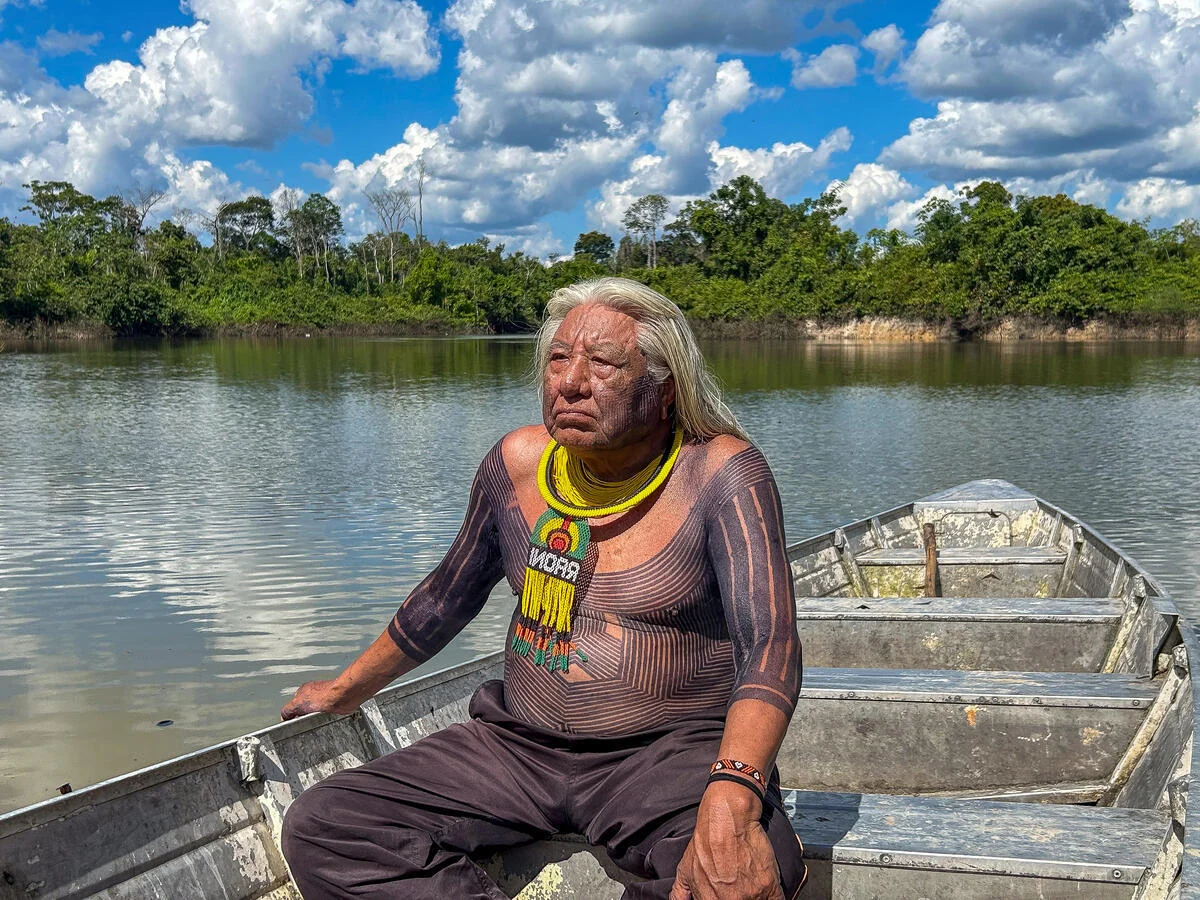
“We are dying silently. Without knowing it, our mothers are feeding their babies with breast milk contaminated by mercury.”
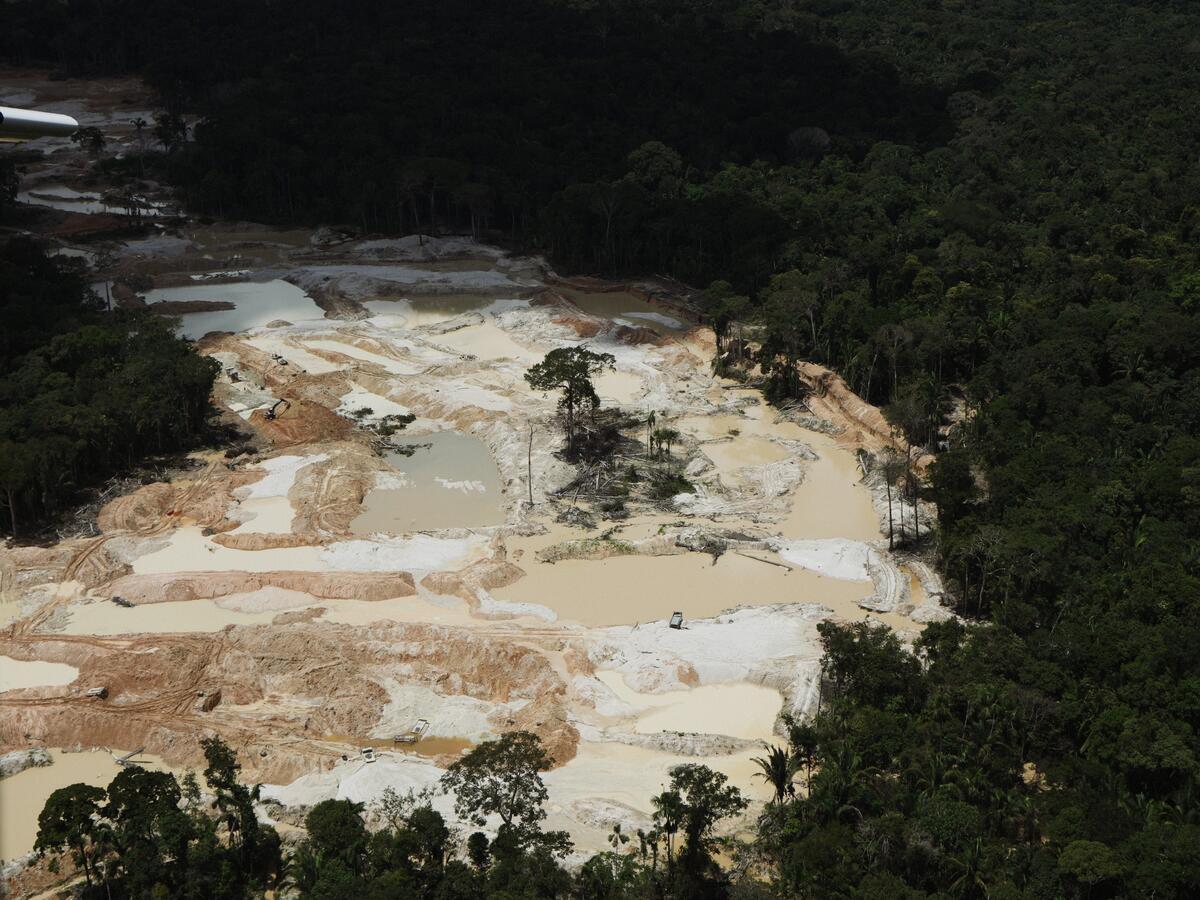
These haunting words, spoken by Alessandra Korap Munduruku before representatives of the Dutch government, serve as the visceral pulse of a growing crisis. While global financial markets obsess over the fluctuating price of gold and international trade agreements, the reality in the Amazon is one of slow-motion catastrophe. For the Indigenous peoples who have stewarded the rainforest for millennia, the expansion of industrial soy, cattle ranching, and illegal gold mining is not a policy debate—it is an existential emergency characterized by poisoned rivers, scorched forests, and a systemic public health crisis.
The Advocacy Tour: A Demand for Accountability
In June 2026, a delegation of high-profile Indigenous leaders from the Brazilian Amazon embarked on The True Cost of Gold tour, a ten-day advocacy mission organized by Greenpeace Brazil. The delegation—comprising Alessandra Korap Munduruku (Munduruku), Juma Xipaia (Xipaya), Megaron Txucarramãe (Kayapó), Beptuk Metuktire (Kayapó), and Tapinkili Anaïman—traversed France, the Netherlands, and Belgium. Their mission: to bring the firsthand accounts of forest destruction directly to the doorsteps of European ministerial offices and parliamentary assemblies.

The tour follows the sobering publication of the Greenpeace Brazil investigation, Gold Laundering in the Amazon: Anatomy of a Fraud. The report exposes the gaping regulatory loopholes that allow illegally extracted gold to be "laundered" and integrated into global supply chains, often ending up in the vaults of international banks or the jewelry shops of major European cities. By engaging with policymakers, the delegation aimed to force a reckoning: how can Europe claim to support environmental sustainability while its consumption habits directly fund the destruction of the Amazon?
Chronology of the Mission
The delegation’s journey was meticulously planned to influence key decision-making hubs in the European Union.
- June 8–11, 2026 (France): The tour opened in Paris, where the group engaged with the Ministry for Ecological Transition and met with Barbara Pompili, France’s Ambassador for the Environment. These meetings focused on the legal responsibility of European nations to ensure their supply chains are free from human rights abuses.
- June 12–15, 2026 (The Netherlands): In The Hague, the delegation met with Minister of Nature and Agriculture Jaimi van Essen. The focus here shifted toward the intersection of agribusiness and environmental degradation, specifically regarding the "Arco Norte" infrastructure project—a massive network of railways and ports designed to facilitate commodity exports.
- June 16–19, 2026 (Belgium & Italy): The final leg of the tour involved high-level briefings with European Union officials and civil society representatives, focusing on the upcoming negotiations for the Convention on Biological Diversity (CBD).
Supporting Data: The Anatomy of a Fraud
The crisis is not merely a localized conflict; it is a global trade failure. Greenpeace’s investigative work has mapped how illegal gold from the Amazon—mined in protected areas and Indigenous territories—enters the "legal" market through fraudulent documentation.
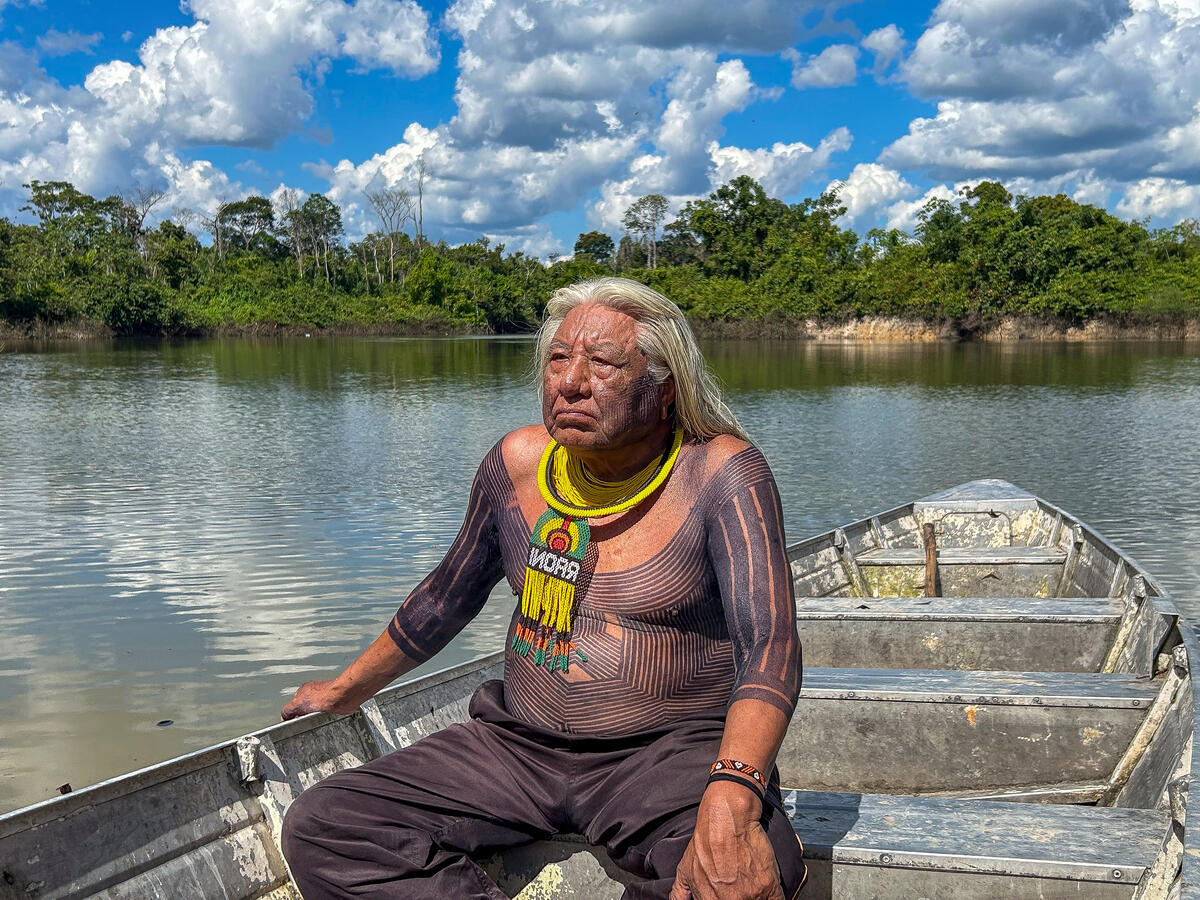
Current mining practices in the Amazon rely heavily on mercury, a neurotoxin that accumulates in the food chain. When miners dump mercury into riverbeds, it enters the fish, which are a primary protein source for Indigenous communities. The resulting mercury poisoning causes severe neurological, developmental, and reproductive health issues.
The economic data is equally stark. Illegal gold mining has become a lucrative criminal enterprise, often interlinked with narcotics trafficking and land-grabbing syndicates. The "wealth" extracted from these lands serves a global market, while the "cost" is paid by the Munduruku, Kayapó, and Xipaya people in the form of ruined ecosystems that will take centuries to recover.
Official Responses: Shifting Political Winds
The reception in Europe was marked by a mix of diplomatic acknowledgment and promises of legislative reform.
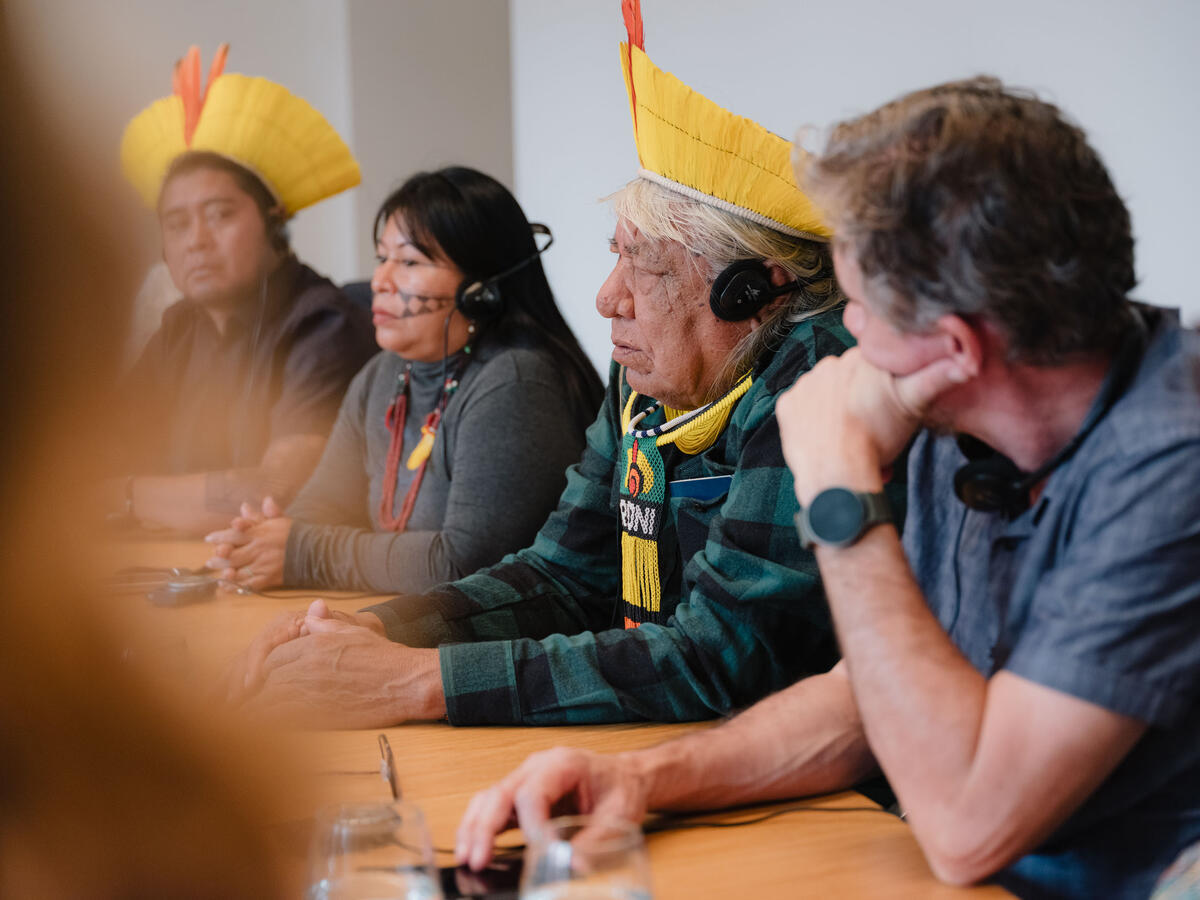
In The Hague, Minister Jaimi van Essen engaged in what participants described as a "constructive dialogue." The Dutch government, recognizing the role of the port of Rotterdam as a gateway for global commodities, acknowledged the urgency of tightening traceability regulations. The Ministry committed to raising these concerns at the next CBD negotiations in the autumn, particularly regarding the global goal to protect 30% of land and sea by 2030.
In France, the engagement with the National Assembly’s France-Brazil Friendship Group provided a platform to discuss supply chain accountability. The delegation’s presence forced a dialogue on the Due Diligence directives currently being debated in the European Parliament. By linking the destruction of the Amazon to the policies of European importers, the Indigenous leaders successfully shifted the narrative from "charity" to "legal and ethical responsibility."
Implications: A Global Struggle for a Shared Future
The implications of this tour are profound. The delegation demonstrated that the solutions to the climate crisis are not solely found in laboratories or carbon-trading schemes; they are embedded in the wisdom of those who have successfully managed these ecosystems for thousands of years.
The leaders emphasized that:
- Indigenous Sovereignty is Climate Action: Protecting the legal rights of Indigenous peoples is the most effective, cost-efficient way to prevent deforestation.
- Traceability is Non-negotiable: Global markets must adopt strict, mandatory traceability standards for gold, soy, and cattle. If a product cannot be proven to be free of human rights violations and environmental destruction, it should not be allowed to enter the EU market.
- The "Arco Norte" Trap: Infrastructure projects that prioritize export logistics over environmental protection must be subjected to independent, transparent social and environmental impact assessments that include mandatory Indigenous consent.
Profiles in Leadership
The strength of the delegation lay in the diversity and experience of its members:
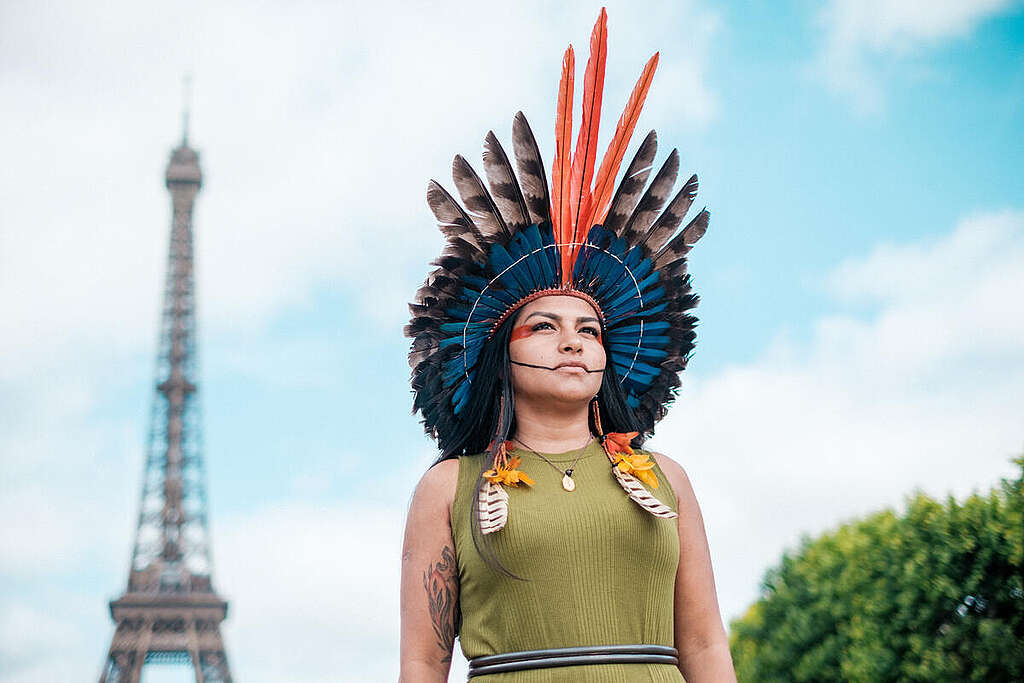
Juma Xipaia
A pioneer for Indigenous rights and gender equality, Juma became the first woman Chief in the Middle Xingu at 24. Having survived multiple assassination attempts for her opposition to illegal mining, her work via the Instituto Juma is central to the fight for Indigenous self-determination.
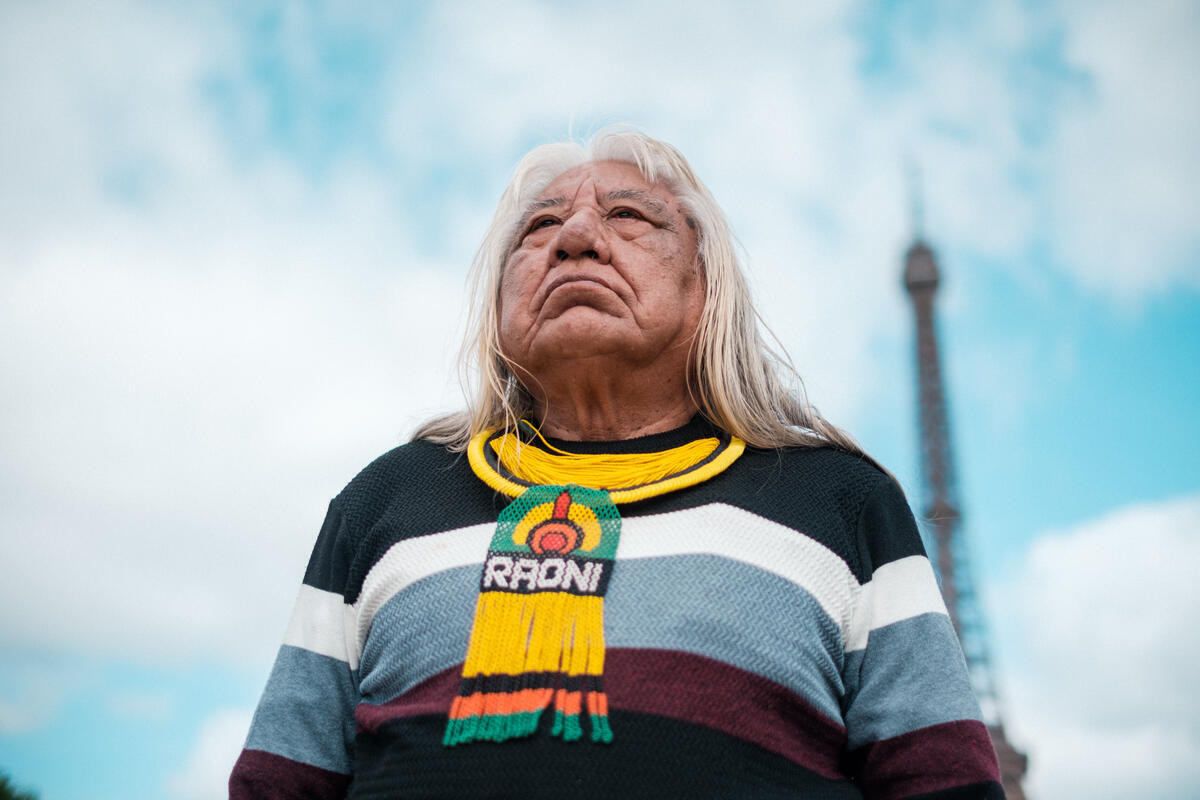
Megaron Txucarramãe
As the designated successor to the legendary Chief Raoni Metuktire, Megaron represents the institutional memory of the Kayapó people. His decades of experience in the political corridors of Brasília have made him a formidable strategist in the protection of the Menkragnoti Indigenous Territory.
Beptuk Metuktire
Representing the new generation of leadership, Beptuk bridges the gap between ancestral knowledge and contemporary political advocacy. As a coordinator at Instituto Raoni, he is a vital voice for the youth who are inheriting a landscape under threat.
Alessandra Korap Munduruku
Internationally recognized for her role in driving Anglo American out of the Sawré Muybu territory, Alessandra is a symbol of resistance. As the 2023 Goldman Environmental Prize recipient, her testimony is a powerful reminder that the fight for the Amazon is a fight for global justice.
Conclusion: The Path Forward
The True Cost of Gold tour has made it clear: the era of "silent" destruction must end. The Indigenous leaders have successfully brought their reality to the halls of power, forcing a recognition that the Amazon is not an abstract resource, but a living home that sustains the entire planet.
As the world looks toward the next climate summit and the biodiversity negotiations, the message from the Amazon is definitive: protecting Indigenous rights is not merely a moral imperative—it is a survival strategy for the entire human race. If world leaders are serious about the climate crisis, they must move beyond rhetoric and recognize that the guardians of the forest are the only ones capable of saving it. The time for industrial exploitation is over; the time for accountability has begun.

 Layla Zulfa
 Evan Lee Salim