



 Asep Darmawan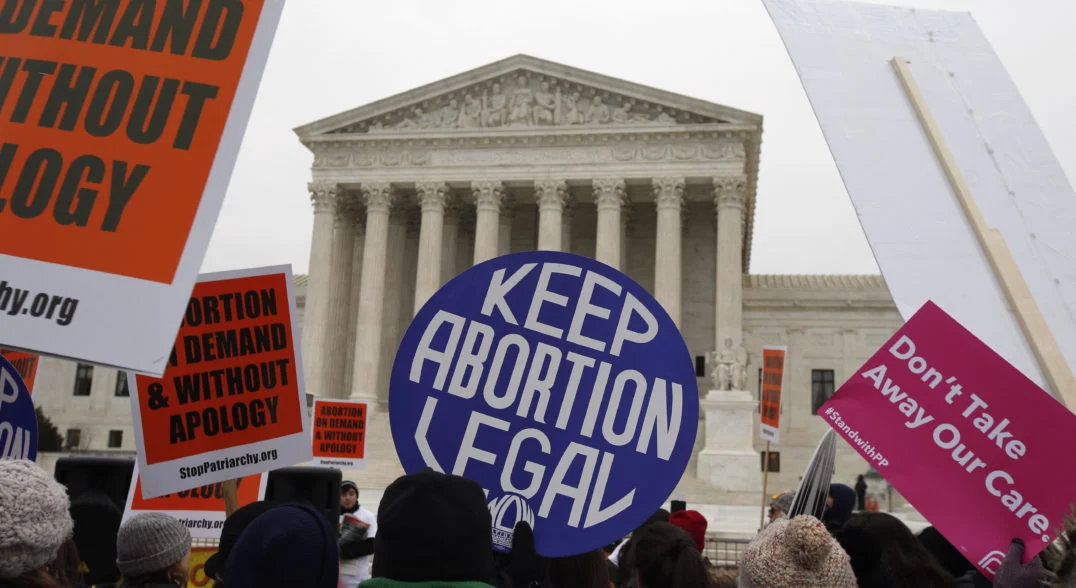
Forty-six years after the Supreme Court’s landmark ruling in Roe v. Wade, the national discourse surrounding reproductive rights remains one of the most polarized debates in the United States. While political rhetoric often frames the issue as a binary conflict between individual autonomy and the sanctity of fetal life, a groundbreaking, multi-year research project suggests that the impact of abortion access extends far beyond the individual patient. New data from the "Turnaway Study"—conducted by Advancing New Standards in Reproductive Health (ANSIRH)—indicates that reproductive choice is a fundamental determinant of the economic, social, and emotional wellbeing of children, both existing and future.
The Evolution of the Debate: A Chronology of Access
The legal landscape of reproductive health has been a volatile terrain since 1973. Roe v. Wade established a constitutional right to abortion, a decision that has been consistently affirmed by the Supreme Court even as it has faced decades of legislative erosion.
- 1973: The Supreme Court issues its ruling in Roe v. Wade, declaring that the Due Process Clause of the Fourteenth Amendment provides a fundamental "right to privacy" that protects a pregnant individual’s liberty to choose to have an abortion.
- 1992: Planned Parenthood v. Casey upholds the "essential holding" of Roe but introduces the "undue burden" standard, which allows states to implement more restrictive regulations on abortion access.
- 2010–2018: An era of unprecedented legislative activity at the state level leads to the shuttering of hundreds of reproductive health clinics. Despite these barriers, public opinion polling consistently shows that a majority of Americans support the legal protections afforded by Roe.
- 2019: ANSIRH releases the final synthesis of the Turnaway Study, providing the first longitudinal look at the consequences of abortion denial on family structures and child development.
The Turnaway Study: Challenging the "Pro-Life" Narrative
The Turnaway Study is a first-of-its-kind research initiative that followed nearly 1,000 individuals across 21 states who sought abortions. The study compared those who were able to obtain an abortion with those who were denied one because they were past the gestational limit of the facility.
The results shift the focus of the abortion debate from abstract legal theory to the lived realities of families. Lead researcher Dr. Diana Greene Foster argues that the findings necessitate a change in how we view the consequences of reproductive policy. According to the study, the decision to have an abortion is rarely made in isolation; more than half of those seeking abortions in the United States are already parents. Consequently, the choice to end a pregnancy is often an act of parenting—a decision to prioritize the needs of existing children by ensuring the family has the resources to thrive.
The Economic Consequences of Denial
The data regarding economic stability is stark. Individuals who were denied an abortion and subsequently gave birth were significantly more likely to live below the federal poverty level for years afterward compared to those who received the care they sought.
Existing children in families where an abortion was denied faced higher rates of food insecurity, housing instability, and inadequate access to transportation. The study found that when parents are forced to absorb the financial shock of an unwanted pregnancy, the "ripple effect" hits the siblings hardest. By contrast, individuals who accessed abortion care were more likely to achieve financial stability, which directly correlated to a higher quality of life for the children already in their care.
Parenting, Bonding, and the "Right Time"
Beyond material resources, the study highlights the psychological and emotional impacts of reproductive control. The inability to time a birth according to one’s socioeconomic status, mental health, or partnership stability can create environments of unintended stress.
The research indicates that parents who were denied an abortion reported higher levels of "maternal entrapment"—a feeling of being unable to escape or manage the challenges of motherhood—and, in some cases, struggled more with maternal bonding compared to those who gave birth to a child following a planned pregnancy.
"When people have control over their reproductive futures, they are better equipped to parent the children they have," Dr. Foster notes. The data suggests that children born from subsequent, planned pregnancies—after a person has accessed abortion care—experience better developmental outcomes, greater economic security, and stronger emotional attachment than children born into circumstances where the parent was forced to carry an unwanted pregnancy to term.
Official Responses and the Reproductive Justice Framework
The findings of the Turnaway Study have been embraced by advocates of "Reproductive Justice," a framework developed by women of color that expands the focus beyond legal "choice" to include the right to have children, the right not to have children, and the right to raise children in safe and healthy environments.
Organizations like SisterSong argue that the anti-choice movement, which frames itself as "pro-life," ignores the systemic conditions that allow children to thrive. By restricting access to abortion, the state effectively mandates that families live in poverty, which contradicts the goal of supporting children’s wellbeing.
Conversely, anti-abortion advocacy groups continue to hold that life begins at conception and that any disruption of that process is a moral failure. They argue that the focus should be on increasing social safety nets rather than facilitating abortion access. However, public health experts argue that such arguments fail to acknowledge that when social safety nets are already inadequate, denying reproductive control only deepens the crisis of child poverty.
Implications for Future Policy
The evidence provided by the Turnaway Study carries profound implications for how policymakers should approach reproductive health. If the objective of the state is to ensure the health and success of the next generation, then reproductive autonomy is not a peripheral issue—it is a central pillar of child welfare policy.
1. Reconceptualizing "Pro-Life"
The study invites a necessary, albeit uncomfortable, reflection on what it means to be "pro-life." If a policy results in children being born into households with fewer resources, higher rates of poverty, and parents who are emotionally overwhelmed, one must ask whether that policy is truly supportive of life. True pro-life advocacy, proponents argue, would include ensuring that every child is born into a situation where their parents are financially and emotionally prepared to nurture them.
2. The Link Between Autonomy and Stability
The data confirms a correlation between intended pregnancy and long-term family stability. Individuals who access abortion care when they feel they are not ready for a child are statistically more likely to have an intended, planned pregnancy within the next five years. This suggests that abortion access is not just a tool for ending a pregnancy; it is a tool for building a family on one’s own terms.
3. Addressing the Systemic Gaps
The Turnaway Study demonstrates that we cannot separate the health of the parent from the health of the child. When the state restricts access to abortion, it effectively limits the ability of parents to provide for their existing children. The findings demand a policy shift that prioritizes:
- Comprehensive access: Eliminating barriers to abortion care, including mandatory waiting periods and gestational limits that do not reflect medical reality.
- Economic support: Strengthening the social safety net to ensure that no parent feels forced to choose between their own bodily autonomy and the survival of their family.
- Holistic Health Care: Recognizing that reproductive health is an essential component of total family health.
Conclusion: A Moral Imperative
The 46-year anniversary of Roe v. Wade serves as a reminder that the right to bodily autonomy is the foundation upon which many other liberties are built. As we move forward, the evidence is clear: abortion access is a critical component of public health and child welfare.
When individuals have the agency to decide if and when to become parents, the entire family unit benefits. The children we have, the children we will have, and the children we already care for all depend on our ability to create families that are planned, wanted, and supported. Protecting the right to choose is not just about the individual—it is about the future of our society and the commitment to ensuring that every child is born into a world where they have the best possible chance to thrive. To deny that right is to ignore the complex, interconnected reality of human life and to disregard the very children that the movement to restrict abortion claims to protect.


 Siti Muinah
 Sagoh
Sagoh