

 Lina Irawan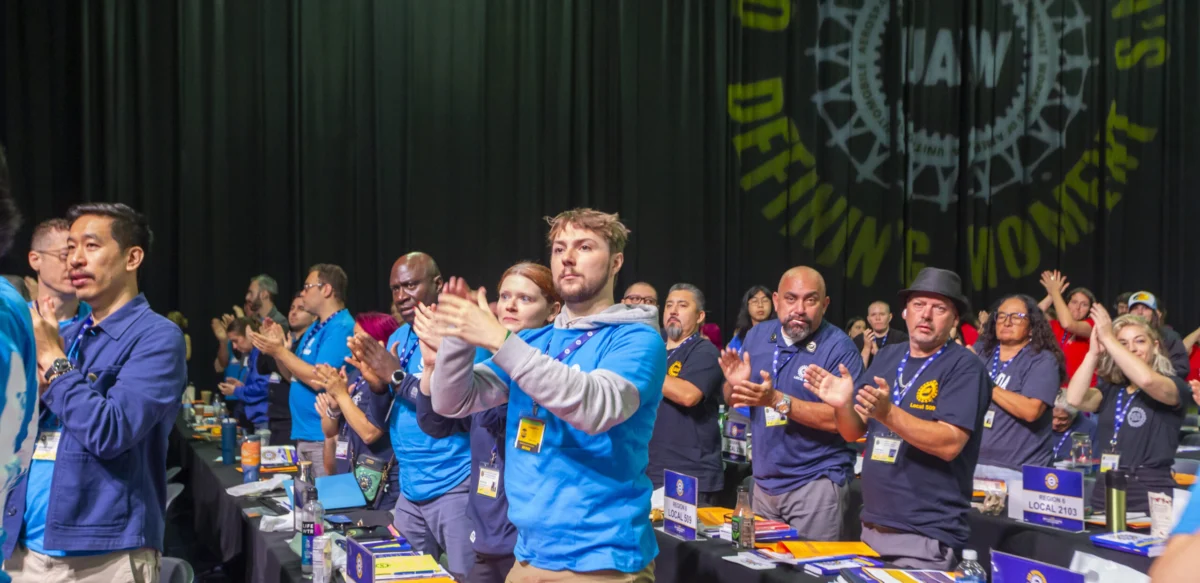
Executive Summary: A New Era of Militancy
Delegates representing 400,000 members of the United Auto Workers (UAW) gathered in Detroit this week for a quadrennial constitutional convention that served as both a victory lap for the union’s recent aggressive posture and a strategic planning session for the future. Under the leadership of President Shawn Fain, who assumed office in 2023, the UAW has undergone a seismic shift, transitioning from a defensive, concession-prone organization into one of the most assertive forces in the American labor movement.
The convention affirmed this new trajectory, characterized by the landmark "Stand Up Strike" against the Big 3 automakers and a wave of successful organizing drives. With a focus on the next major contract expirations set for May Day 2028, the union is consolidating its resources, increasing its strike fund, and pivoting toward a model of coordinated, high-leverage industrial action.
Chronology of Change: From "Jointness" to Confrontation
The UAW’s current strategic direction marks a stark departure from the "jointness" era—a decades-long period where the union’s top brass often prioritized cooperation with management at the expense of member demands.
- 2023: Shawn Fain is elected as the first president under the new "one member, one vote" system, promising "No Corruption, No Concessions, No Tiers."
- Late 2023: The "Stand Up Strike" against Ford, GM, and Stellantis effectively ends the era of wage tiers and signals a return to aggressive collective bargaining.
- 2024: Daimler Truck workers win a historic contract, and Volkswagen workers in Tennessee vote to unionize, fueled by the UAW’s visible success at the Big 3.
- 2026 (June): American Axle workers secure a $30-an-hour wage target through a targeted two-week strike.
- 2026 (Ongoing): The UAW convention solidifies the "offensive" mandate, formalizing the goal of synchronized contract expirations for May Day 2028.
The "Stand Up" Strategy: A Replicable Model
The success of the UAW’s new approach lies in its ability to translate the high-level victories of the Big 3 strike into localized leverage across disparate sectors. From parts suppliers like American Axle to the defense-oriented workforce at Electric Boat in Connecticut, the strategy remains consistent: deep member involvement, transparent communication, and the credible threat of work stoppages.
At Electric Boat, the 2,400-member Local 571 achieved a 30 percent pay increase by utilizing a network of 100 strike captains and staging "red-shirt" rallies that signaled to management that the membership was prepared for a long-haul conflict. As delegate JoAnna McClenathan noted, the shift has been psychological as much as it has been tactical. "We went to the Christmas party and the picnic," she reflected on the pre-Fain era. "This new approach revitalized our union."
Strengthening the War Chest: Financial and Organizational Data
The most significant administrative outcome of the convention was the decision to maintain member dues at 2.5 hours of pay per month. This move ensures the union’s strike fund will continue to grow, reaching a projected target of $1.3 billion.
Key Financial Resolutions:
- Strike Pay Increase: Weekly strike benefits will rise from $500 to $550.
- Organizing Investment: The union will allocate $100 million toward new organizing and contract campaigns over the next four years, a significant increase from the previous $60 million cap.
- Strategic Growth: A substantial portion of these funds is earmarked for the "Southern Strategy," aiming to unionize assembly plants at Mercedes, Hyundai, and Toyota.
"What’s at stake is whether we want to grow and expand the labor movement or look inward," argued Ahmed Alliboy, a financial secretary from the University of California’s Local 4811, during the debate over the funding resolution.
Official Responses and Internal Friction
While the rank-and-file generally support the new direction, the transition has not been without significant internal conflict. The International Executive Board (IEB) has seen public fractures, particularly between Fain and fellow elected officers Secretary-Treasurer Margaret Mock and Vice Presidents Mike Booth and Rich Boyer.
Fain’s camp alleges that these dissenters undermined the union’s financial and bargaining priorities. Conversely, critics—and at times, the federal monitor overseeing the union—have expressed concerns regarding the internal handling of these disputes, labeling certain board actions as retaliatory.
Despite this, Fain remains the heavy favorite in the upcoming direct elections. The "United UAW" slate, which Fain heads, includes both his original reform allies and a number of incumbent regional directors who have been won over by the concrete gains the union has achieved since 2023.
Implications: The Road to 2028
The UAW is now firmly committed to a "coordinated moment of maximum power" on May Day 2028. By aligning the contract expirations of 150,000 auto workers, the union aims to force a reckoning with both employers and the political establishment.
Broader Implications:
- Political Realignment: The UAW is moving away from traditional partisan endorsements, choosing instead to fund working-class candidates like Abdul El-Sayed, who advocate for systemic economic reforms rather than traditional corporate-friendly policy.
- Democratic Deepening: While the amendment to permanently enshrine "one member, one vote" in the constitution failed due to a legal technicality, the culture of the union has fundamentally changed. Delegates are no longer content to serve as rubber stamps; the act of "pulling resolutions from committee" has become a new, powerful tool for rank-and-file dissent and engagement.
- The Israel Bond Controversy: In a move that highlights the union’s shifting ideological landscape, delegates voted to divest from Israel bonds. This represents a significant break from the UAW’s decades-long history of foreign policy alignment and signals an increasingly activist membership base that is willing to exert influence on global geopolitical issues.
- The Southern Frontier: The UAW’s ability to successfully organize in the South remains the true litmus test for the union’s long-term viability. The recent breakthrough at Volkswagen has provided a blueprint, but entrenched opposition from state governments and corporate management ensures that the coming years will be marked by intense legal and industrial warfare.
Conclusion: A Union Reborn
As the convention concluded, the sentiment on the floor was one of cautious, battle-hardened optimism. The UAW has successfully rebranded itself as a militant, member-led organization that treats the picket line as its primary tool of persuasion. Whether this strategy will hold under the pressures of a changing automotive market, political volatility, and internal leadership challenges remains to be seen.
However, one thing is clear: the UAW has moved from the defensive crouch that characterized the early 21st century to an offensive posture that has captured the attention of the American working class. With ballots going out in August for the next round of leadership elections, the members will soon have the final say on whether to continue this aggressive march toward 2028 or seek a different path. For now, the "Stand Up" spirit appears to be the dominant force defining the future of the American auto worker.

 Asep Darmawan