



 Laily UPN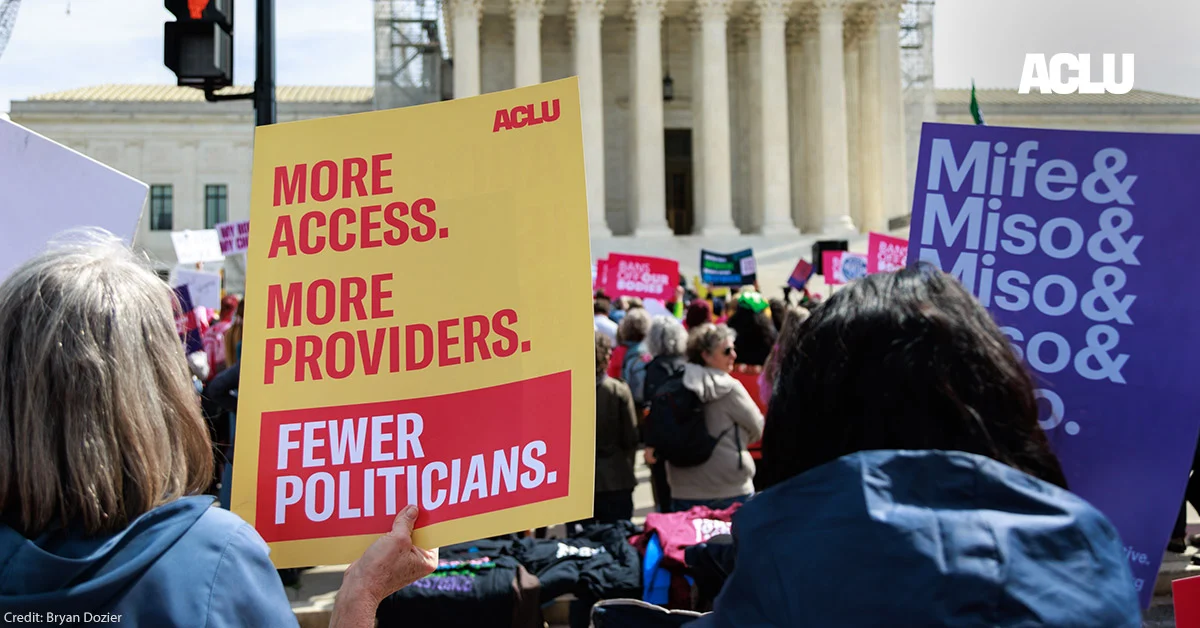
By Breanna Diaz, Senior Policy Counsel for Reproductive Freedom, ACLU
June 24, 2026
Four years have passed since the Supreme Court’s seismic decision in Dobbs v. Jackson Women’s Health Organization, a ruling that dismantled the federal constitutional right to abortion and fundamentally altered the landscape of American healthcare. In the years since, the battle for reproductive autonomy has migrated from the hallowed halls of federal courts to the diverse, and often hostile, legislative chambers of the individual states. The resulting map is a patchwork of stark inequality, where a person’s fundamental right to bodily autonomy is dictated entirely by their zip code.
The New Reality: A Fragmented Nation
The immediate aftermath of Dobbs triggered a cascade of pre-existing "trigger bans" and new, aggressive legislative maneuvers across the South and Midwest. The human cost of this legal upheaval has been profound. We have witnessed a reality where patients are forced to travel hundreds, sometimes thousands, of miles to access basic medical care.
Beyond the logistical burden, the clinical reality is dire. Hospitals, paralyzed by the threat of criminal prosecution, have repeatedly denied life-saving emergency care to patients suffering from pregnancy complications. We have seen instances where patients—denied care for miscarriages or ectopic pregnancies—have faced severe medical trauma or, tragically, lost their lives. This is not merely a political debate; it is a public health crisis that has institutionalized medical neglect for pregnant people.
Chronology of the Post-Dobbs Era
To understand our current trajectory, one must look at the progression of the anti-abortion strategy:
- 2022 (The Immediate Aftermath): Following the Dobbs decision, states with "trigger laws" immediately criminalized abortion. The initial shock caused widespread clinic closures and the rapid development of interstate "travel networks" to help patients reach states where care remained legal.
- 2023-2024 (Consolidation and Litigation): Anti-abortion legislatures shifted their focus toward restricting medication abortion and pursuing out-of-state enforcement. Simultaneously, the first wave of successful ballot measure campaigns began to emerge as a potent counter-offensive, with voters in states like Ohio and Michigan affirming reproductive rights.
- 2025-2026 (The Expansion of Surveillance): The focus shifted toward the intersection of "fetal personhood" and digital surveillance. Legislatures began introducing bills to treat abortion as a homicide and, in some cases, to track the outcomes of every pregnancy through state-mandated "certificates of life."
Supporting Data: The Scope of the Crisis
The data paints a harrowing picture of a movement that is not slowing down, but rather intensifying.
- Medication Abortion Under Siege: Medication abortion, now accounting for nearly two-thirds of all abortions in the United States, has become the primary target of anti-abortion extremists. With one in four patients utilizing telehealth services, opponents are deploying "junk science" and meritless federal lawsuits to challenge the FDA’s approval of mifepristone.
- The Legislative Barrage: In the 2026 legislative session alone, over 80 bills were introduced aimed specifically at undermining medication abortion. Many of these seek to reclassify mifepristone and misoprostol as "highly controlled substances," a move that threatens to delay care for miscarriage management and postpartum emergencies.
- The "Personhood" Extremism: More than 30 "prenatal equal protection" bills were introduced across 15 states this year. These measures attempt to codify the idea that a fertilized egg possesses the same legal standing as a human person, a move designed to pave the way for the total criminalization of abortion seekers.
The Pushback: How Advocates are Responding
Despite the onslaught of restrictive legislation, the movement for reproductive freedom has evolved. Advocates are currently employing a multi-pronged strategy to safeguard care.
Shield Laws and Privacy Protections
In response to prosecutors in restrictive states attempting to reach across state lines to punish providers and patients, "shield laws" have become a critical defensive tool. States like Oregon, New York, and Illinois have enacted robust protections to prevent the weaponization of electronic health records. These laws ensure that patient data related to reproductive health cannot be shared with hostile jurisdictions, effectively creating a "digital safe harbor" for those seeking or providing care.
Ballot Measures: Putting Power in the Hands of Voters
The most consistent victory for reproductive rights has occurred at the ballot box. Since 2022, voters in 10 states have moved to enshrine abortion protections into their state constitutions. This grassroots success is a testament to the fact that when the issue is placed directly before the electorate, the majority of Americans support the right to choose.
As we look toward November 2026, the stakes remain incredibly high. In Missouri, a major battle is underway to defend the 2024 constitutional amendment from a repeal attempt—an attempt that also seeks to ban gender-affirming care for minors. Meanwhile, voters in Virginia and Nevada are preparing to cast ballots on constitutional amendments that would guarantee the right to reproductive freedom, including contraception and pregnancy care.
Implications for the Future
The current state of abortion access in America is unsustainable. It has created a two-tiered system of healthcare, where the wealthy can bypass state restrictions through travel and private resources, while the marginalized are left to bear the brunt of criminalization and medical abandonment.
The anti-abortion movement’s goal has never been limited to the Dobbs decision. They have made it clear that their ultimate ambition is a federal, nationwide ban on abortion. The recent push for "fetal personhood" is the legal mechanism they intend to use to achieve this goal, essentially arguing that the 14th Amendment should apply to embryos, thereby rendering abortion illegal in every state, regardless of local sentiment.

Furthermore, the rise of state-level surveillance—such as the Ohio bill requiring "certificates of life" for all pregnancy outcomes—signals a disturbing shift toward the policing of pregnant bodies. If left unchecked, these policies will turn every miscarriage and stillbirth into a potential criminal investigation.
Conclusion: The Path Forward
The fight for abortion rights is no longer just about reversing a Supreme Court decision; it is about defending the principle of bodily autonomy against a concerted, multi-state effort to establish a national theocratic standard.
While the work at the state level—through litigation, shield laws, and ballot initiatives—is essential, it is a defensive posture in a larger war. Our rights and our access to essential, life-saving healthcare should not depend on our zip code, our income, or the political whims of state legislators.
The federal government must take meaningful action to restore the right to abortion and guarantee universal access. Until then, the ACLU and its partners will continue to fight in the courts, in the legislatures, and at the ballot box to ensure that every individual has the agency to make their own reproductive health decisions. The movement for reproductive freedom is resilient, it is growing, and it will continue to resist every attempt to dismantle our fundamental rights.

 Dwi Wanna
 Nana
Nana