

 Nila Kartika Wati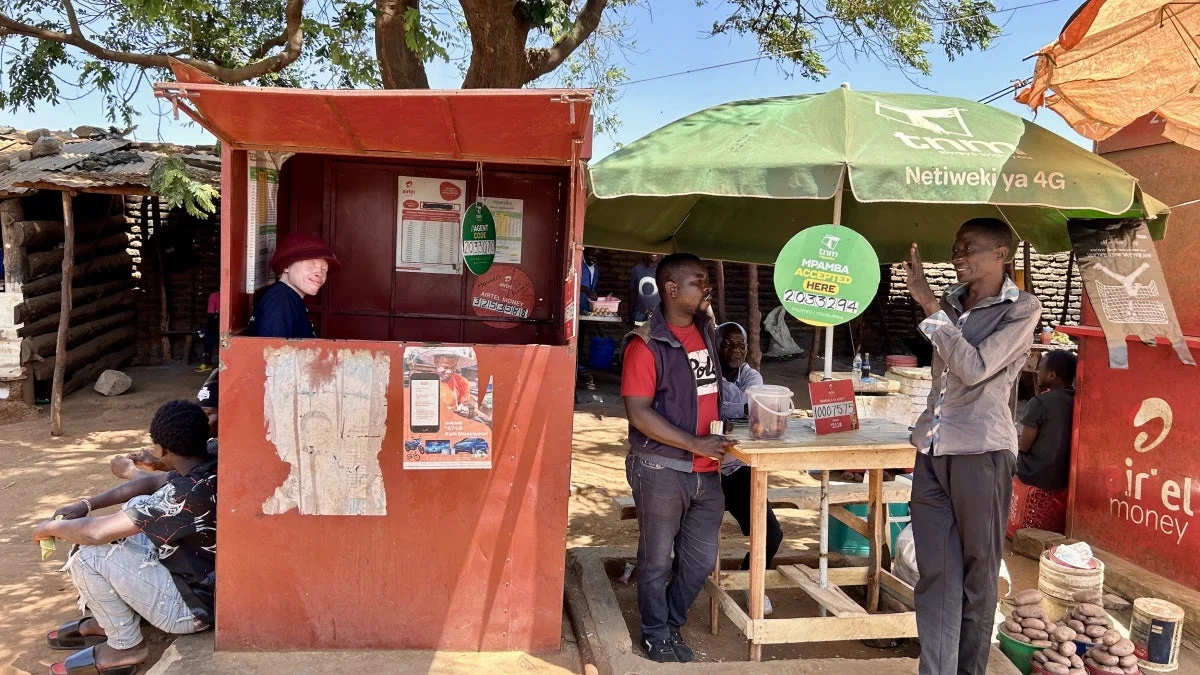
For years, the discourse surrounding the rights of persons with albinism in Malawi has been dominated by a singular, urgent imperative: physical survival. The nation has long been a flashpoint for horrific violence, including abductions, killings, and the desecration of graves, fueled by dangerous myths and superstitions. While the battle to ensure the physical safety of this vulnerable community remains an essential and ongoing struggle, human rights advocates and government officials are beginning to recognize that safety, while foundational, is not sufficient for a life of dignity.
On June 19, the government of Malawi announced a pivotal shift in its national policy. By unveiling the National Action Plan on Persons with Albinism (2026–2030), the administration has signaled a move away from purely reactive security measures toward a proactive, holistic framework aimed at dismantling the systemic economic exclusion that has relegated many persons with albinism to the margins of society.
The Core Facts: A Shift Toward Economic Empowerment
The 2026–2030 National Action Plan (NAP) acknowledges a critical reality: poverty is both a driver and a consequence of the discrimination faced by people with albinism. The document provides a candid assessment of the barriers that prevent individuals from achieving financial independence. These include:
- Employment Discrimination: Widespread bias in hiring practices that prevents qualified individuals from securing stable work.
- Hostile Environments: Workplaces that are neither physically accessible nor inclusive, often failing to provide the necessary accommodations for those with visual impairments or skin sensitivity.
- Capital Exclusion: A lack of access to microfinance and credit facilities, which stifles the growth of small businesses and entrepreneurship within the community.
- Social Safety Net Gaps: The systematic exclusion of persons with albinism from government social security programs, leaving them particularly vulnerable during economic downturns.
Unlike its predecessor, the 2018–2022 National Action Plan—which focused almost exclusively on protection, justice, health, and education—the new roadmap explicitly addresses the intersection of disability and poverty. It represents a maturation of the government’s approach, moving from "keeping people alive" to "enabling people to thrive."
Chronology: The Evolution of Policy in Malawi
To understand the significance of this shift, one must look at the trajectory of advocacy and policy in Malawi over the last decade.
- 2015–2017 (The Crisis Period): Malawi witnessed a sharp spike in attacks on persons with albinism. This period was characterized by global outrage and intense pressure on the Malawian government to adopt stricter policing and sentencing for perpetrators of violence.
- 2018–2022 (The First NAP): The government launched its inaugural National Action Plan. While it was a necessary first step, its scope was limited. It focused on the "four pillars" of security: preventing violence, ensuring access to justice, improving medical care for skin cancer prevention, and educational support. However, it was largely silent on the economic rights of the survivors.
- 2023–2025 (The Evidence-Gathering Phase): Organizations like the Africa Albinism Network and Human Rights Watch published joint reports highlighting that even those who survived the violence were trapped in cycles of extreme poverty. Advocacy shifted to the boardroom and the parliament, demanding that "right to life" be interpreted as the "right to a livelihood."
- June 2026 (The Policy Breakthrough): The government officially adopted the 2026–2030 NAP, incorporating recommendations from the Africa Albinism Network, the Malawi Human Rights Commission, and local grassroots advocates.
Supporting Data: The Cycle of Exclusion
The necessity for this new plan is backed by compelling data regarding the lived experiences of Malawians with albinism. According to a recent joint report by Human Rights Watch and the Africa Albinism Network, the stigma associated with albinism acts as a "glass ceiling" that is nearly impossible to break without state intervention.
The report highlights that:
- Workplace Bias: Over 60% of respondents in recent surveys reported that they had been denied employment opportunities, with employers explicitly citing "appearance" or "limited sight" as reasons, despite candidates possessing the required qualifications.
- The Gender Gap: Women with albinism experience a dual burden of discrimination. They are significantly less likely to receive vocational training than their male counterparts, leading to higher rates of dependency on family members.
- Digital Literacy: As the Malawian economy digitizes, the lack of accessible technology and digital literacy training means that people with albinism are being left behind in the modern job market.
The 2026–2030 plan aims to rectify this by mandating the expansion of vocational training programs specifically tailored to the visual needs of the community and ensuring that entrepreneurship grants are accessible to those who have been historically sidelined.
Official Responses and Collaborative Formulation
The development of the 2026–2030 NAP was not a top-down bureaucratic exercise. Instead, it was the result of extensive consultations with civil society—a term encompassing the grassroots groups, labor unions, and advocacy organizations that bridge the gap between policy and reality.
A spokesperson for the Ministry of Gender, Children, and Disability stated during the launch: "We recognize that the state cannot do this alone. We have listened to the voices of the people with albinism who have told us that they do not want just protection—they want the tools to be self-sufficient."
Human Rights Watch played a consultative role, providing the Ministry with a detailed roadmap for social security integration. By ensuring that the needs of the elderly and women with albinism were explicitly mentioned in the plan, the government has moved toward a more inclusive definition of social welfare. This collaborative approach has been praised by activists, who note that the plan is "grounded in the lived reality of the community rather than the abstractions of international donors."
Implications: The Road Ahead
While the unveiling of the 2026–2030 NAP is a landmark victory, it is not a panacea. History in Malawi serves as a cautionary tale; the previous action plan often suffered from "implementation fatigue." Ambitious policy commitments can quickly turn into empty promises if they are not backed by sustained, ring-fenced funding and robust monitoring mechanisms.
The Challenges of Implementation
The success of this plan will depend on three critical factors:
- Budgetary Allocation: The government must move beyond rhetoric and allocate a specific, transparent budget line to the economic empowerment programs outlined in the plan.
- Political Will: As political administrations change, there is always a risk that these programs will be deprioritized. It is vital that the NAP is treated as a binding state commitment rather than a temporary ministerial initiative.
- Meaningful Participation: The plan must continue to evolve with the active participation of the Association of Persons with Albinism in Malawi (APAM). If the beneficiaries are excluded from the oversight of these programs, the risk of mismanagement or inefficiency increases.
A Model for the Region
The implications of this plan extend far beyond Malawi’s borders. If Malawi succeeds in implementing these measures, it could provide a replicable model for other countries across Sub-Saharan Africa. The region is currently struggling with similar issues, and many nations are watching to see if Malawi can successfully pivot from a "security-first" model to an "economic-inclusion" model.
Addressing the socioeconomic inequalities that fuel stigma is perhaps the most effective way to end the cycle of violence. When individuals with albinism are seen as active, contributing members of the economy rather than social outcasts, the power dynamics that allow for dehumanization begin to shift.
Ultimately, the 2026–2030 National Action Plan is a testament to the resilience of those who have fought to be seen. By focusing on the structural roots of poverty, Malawi has opened a new front in the battle for human rights—one where dignity is defined not just by the absence of harm, but by the presence of opportunity. The world will be watching to see if the government has the resolve to turn these words into a lasting, transformative reality.


 Dwi Wanna
 Nana
Nana