

 Iffa Jayyana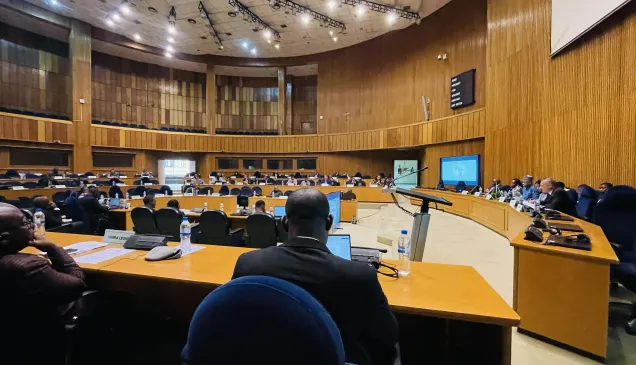
NEW YORK – As the 2026 ECOSOC Humanitarian Affairs Segment convened at the United Nations headquarters this June, a somber reality underscored the proceedings. Elyse Mosquini, the Permanent Observer to the UN, delivered a stark warning to the international community: the foundational rules governing armed conflict—International Humanitarian Law (IHL)—are not merely under strain; they are facing an unprecedented existential crisis.
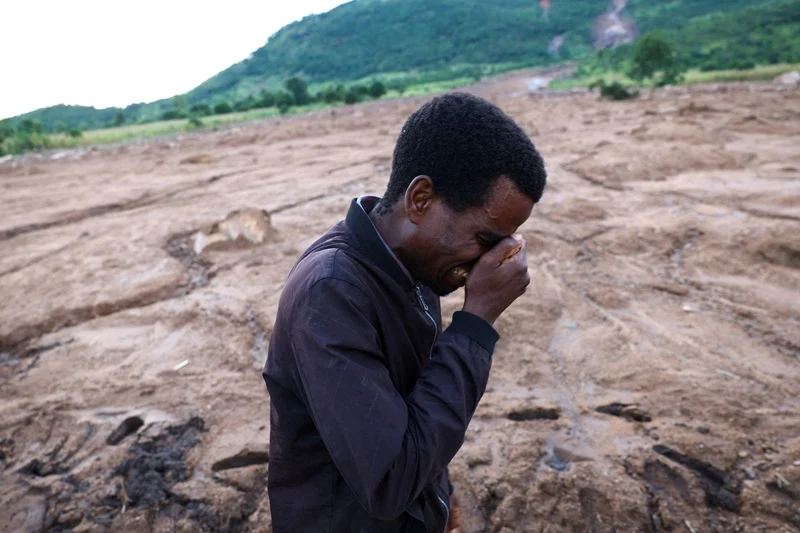
In a global landscape defined by increasingly protracted conflicts and the unchecked advancement of military technology, the protections afforded to civilians are dissolving. The result is a transition from wars fought between combatants to wars fought against the very fabric of civilian life.
The Main Facts: A Global Norm in Freefall
The central thesis of the 2026 address is that the “rules of war” are being treated as optional rather than mandatory. Mosquini’s testimony, rooted in the daily operational experience of the International Committee of the Red Cross (ICRC), highlights a disturbing trend: the deliberate dismantling of civilian infrastructure.
When IHL is disregarded, the consequences are catastrophic and cumulative. It is no longer just a matter of isolated airstrikes or localized skirmishes; it is the systemic destruction of essential services—water, energy, and healthcare—that sustains urban populations. This "normalization of violence," compounded by dehumanizing political rhetoric, has created a climate where civilian harm is viewed as a collateral inevitability rather than a violation of law.
Chronology of Crisis: From 2024 to 2026
To understand the current urgency, one must look at the recent trajectory of global humanitarian decline:
- 2024: The launch of the Global Initiative to Galvanize Political Commitment to IHL by a diverse coalition including Brazil, China, France, Jordan, Kazakhstan, and South Africa. This marked a recognition that traditional diplomatic appeals were insufficient.
- 2025: A year of record-breaking danger for aid workers. The ICRC reported that 31 Red Cross and Red Crescent staff and volunteers were killed in the line of duty. Global sentiment shifted toward alarm as the “humanitarian space” began to contract under the weight of bureaucratic obstacles and direct attacks.
- April 2026: A sobering UN report surfaced, revealing that over the preceding three years, 1,010 humanitarian personnel had been killed while performing life-saving work.
- June 18, 2026: The ECOSOC Humanitarian Affairs Segment serves as the current focal point, where international observers are calling for a radical re-commitment to the laws of war ahead of the upcoming "Humanity in War" conference.
Supporting Data: The High Cost of Disregard
The erosion of IHL is not merely a legal debate; it is a statistical indictment of modern warfare. The data provided by the ICRC and UN agencies paints a harrowing picture:
The Human Toll on Aid Workers
The figures regarding the loss of humanitarian personnel are unprecedented. With 1,010 deaths in just 36 months, the "neutral, impartial, independent" status of aid organizations is no longer serving as an effective shield. Every attack on a humanitarian worker represents a systemic failure of humanity, stripping the most vulnerable populations of their only lifeline.
The Weaponization of Infrastructure
Modern conflict is increasingly defined by the destruction of "essential services." The collapse of a power grid in a war-torn city is not just a tactical military victory; it is a death sentence for hospital patients, a catalyst for water-borne disease, and a barrier to digital communication. When connectivity is shut down, entire cities are pushed to the brink of survival, demonstrating that people are being killed not just by bullets, but by the systemic erasure of the systems that sustain life.
The Technological Acceleration of Warfare
Perhaps the most daunting variable in the 2026 report is the role of emerging technology. While technology offers benefits, it has introduced three specific, lethal vectors into modern conflict:
1. Persistent Surveillance and Drone Warfare
Drones have become a permanent, haunting feature of civilian life. Their prolonged presence over schools, hospitals, and farms creates a state of perpetual psychological trauma. Beyond the immediate threat, the prevalence of "failed or fallen" drones introduces long-term risks, as these devices function as a new class of explosive remnants of war, littering civilian areas with unexploded ordnance.
2. The Global Reach of Cyber Operations
Cyber warfare has moved from the peripheral to the critical. Malware, once deployed, can spread across global networks with little regard for borders. A strike intended for a military server can inadvertently paralyze an entire nation’s healthcare system or water purification network. The lack of precision and the potential for unintended, systemic collapse make cyber warfare one of the greatest threats to civilian infrastructure today.
3. The AI Decision-Making Dilemma
Artificial Intelligence and machine learning are rapidly altering the "OODA loop"—the Observe, Orient, Decide, Act cycle—of military operations. By accelerating decision-making, AI reduces the time a human commander has to verify a target or assess the proportionality of an attack. This creates a "conceptual distance" between the human operator and the impact of their decision, potentially dehumanizing the act of targeting and stripping away the moral weight that is inherent to human judgment in combat.
Official Responses and Diplomatic Initiatives
In response to these existential threats, the international community is attempting to pivot from rhetoric to concrete action. The Global Initiative to Galvanize Political Commitment to IHL has seen significant uptake, with 113 states officially joining the pact.
The initiative is not merely symbolic; it is tasked with developing practical, enforceable recommendations to preserve the protective purpose of IHL. The ICRC is currently using its diplomatic channels to urge all states to move beyond the signing of accords and toward the implementation of hard safeguards.
Key to this effort is the upcoming "Humanity in War" Conference, scheduled for December 7, 2026, in Jordan. The ICRC has issued a clear mandate to world leaders: attend at the highest possible level. The conference is intended to be a turning point where states must demonstrate, through policy and practice, that they are willing to prioritize the preservation of humanity over the tactical advantages of "total war."
Implications: The Moral Foundation at Stake
The implications of the current trajectory are profound. If the international community fails to halt the slide toward unrestricted warfare, the very concept of a "protected civilian" will become an artifact of history.
The normalization of violence—the dehumanization of the "other" through aggressive narratives—threatens to destroy the moral foundations of our global society. When military strategy explicitly seeks to justify the destruction of essential services, the distinction between combatant and civilian is erased, leaving humanity in a vacuum.
As Elyse Mosquini concluded in her address to the UN, the ICRC can continue to provide assistance and engage in bilateral dialogue, but humanitarian action alone cannot counter the sheer scale of the devastation witnessed today. The burden of proof rests on the shoulders of the international political order.
The world stands at a crossroads: either re-establish the limits of war, or accept that the future of humanity will be defined by the absence of rules. The ask is simple, yet monumental: states must act now to uphold humanity in war, before the mechanisms of conflict permanently outpace our ability to control them.

 Lina Hope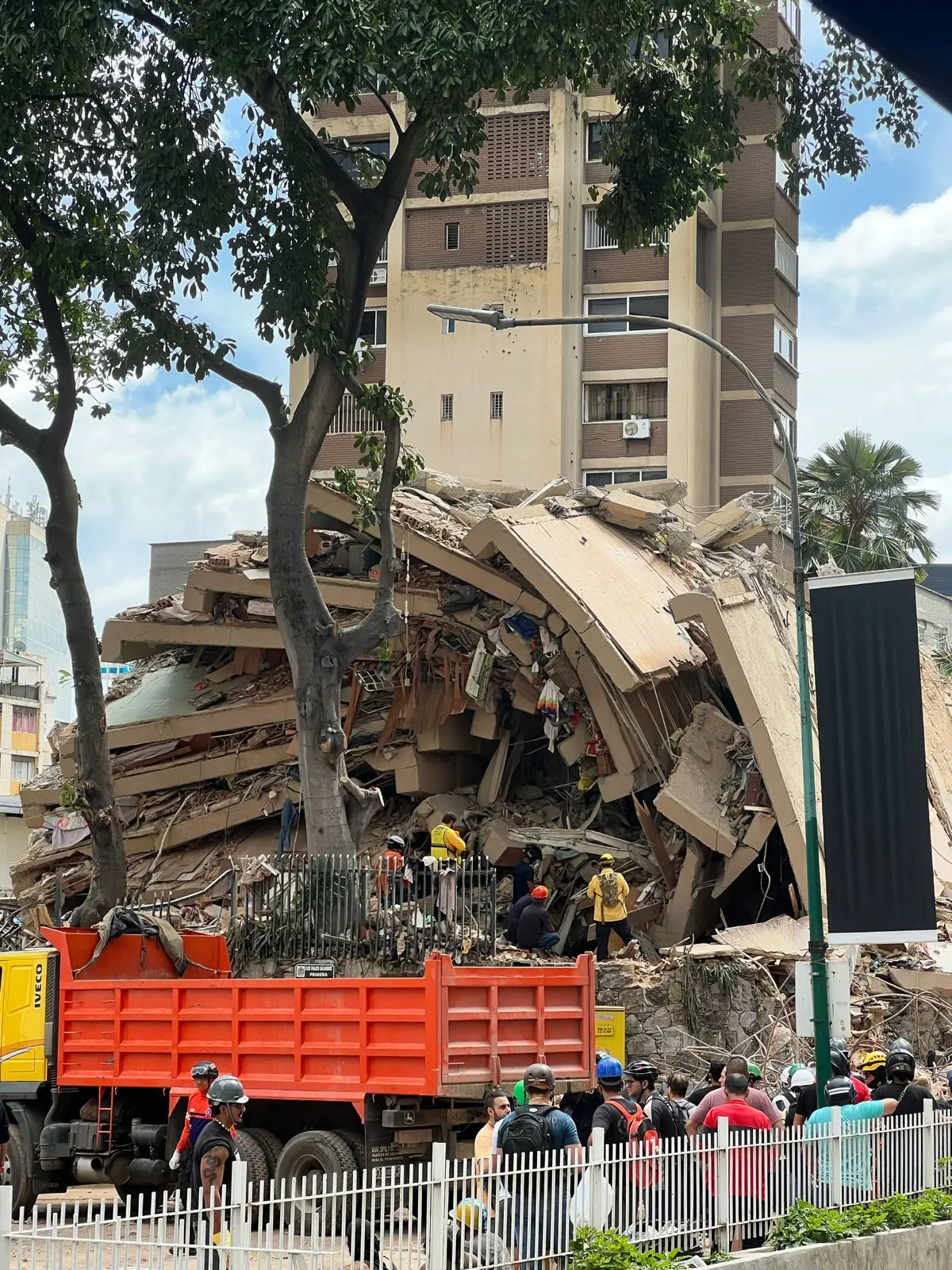
 Suro Senen