

 Layla Zulfa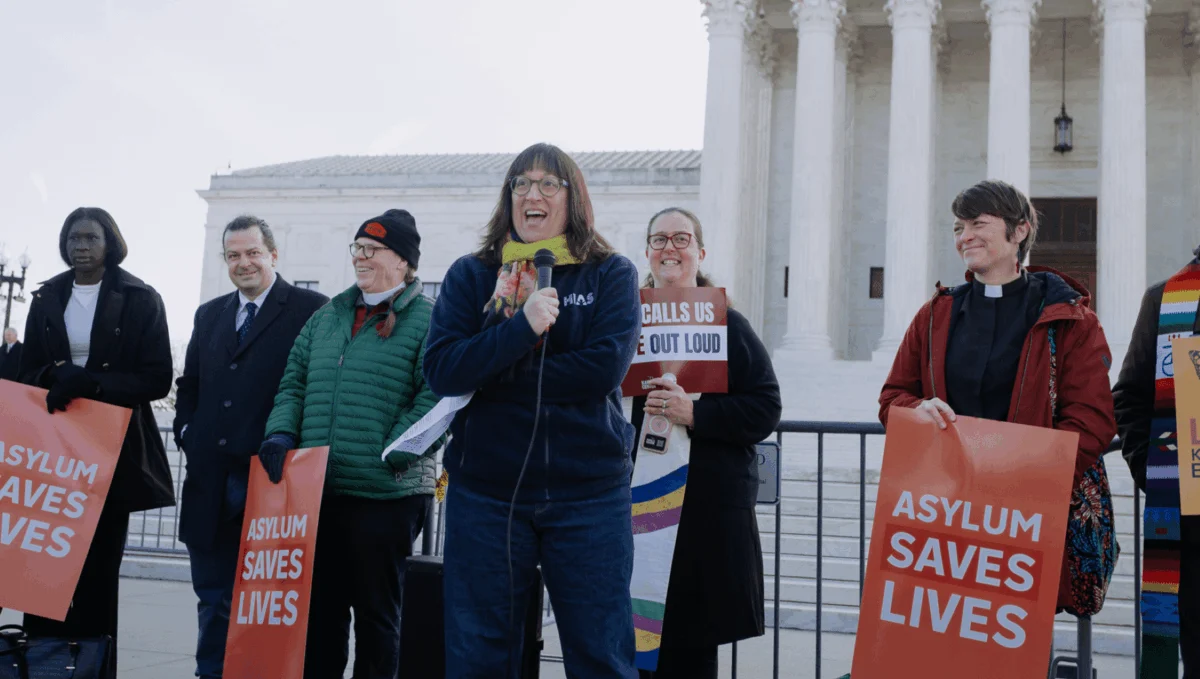
By Jennie van den Boogaard, Director of Global External Relations and Marketing
June 24, 2026
As the United States approaches its semiquincentennial—the 250th anniversary of the signing of the Declaration of Independence—the nation stands at a critical historical crossroads. The story of the United States is inextricably linked to the movement of people; it is a tapestry woven from threads of voluntary migration, forced displacement, profound xenophobia, and periods of radical inclusion. As the world’s oldest refugee organization, HIAS has witnessed more than half of this 250-year history from the front lines, providing a sanctuary for those who arrive with nothing but hope for a safer future.
The Dual Narrative of American History
The founding of the United States on July 4, 1776, is often simplified into a singular narrative of liberty. However, a comprehensive historical lens reveals a more complex reality. While the early American project was built on the promise of open doors for European immigrants, it simultaneously relied on the systemic displacement and near-extermination of Indigenous peoples and the brutal institution of chattel slavery.
For centuries, the U.S. has acted as both a beacon and a barrier. It has served as a sanctuary for the "huddled masses" seeking freedom from persecution, yet it has also infamously turned away ships of desperate refugees, condemning them to the horrors of the conflicts they fled. Today, as we witness a resurgence in exclusionary policies, the mission of HIAS remains as urgent as it was during our founding.
A Chronology of Migration and Legislation
The Colonial Era and Early Republic (Pre-1880)
Before formal independence, European colonial powers viewed immigration as a tool for expansion. While some immigrants arrived voluntarily, many were "forced" migrants—convicted criminals sent to the colonies to serve out sentences. Simultaneously, the forced migration of hundreds of thousands of enslaved Africans transformed the demographic and economic landscape of the continent.
Following the Constitution’s ratification, the 1790 Naturalization Act set a restrictive precedent, limiting citizenship to "free white persons." The 19th century was defined by territorial expansion, the Mexican-American War, and the Indian Removal Act of 1830—policies that forcibly displaced Indigenous populations while incorporating new lands and peoples into the American fold. By 1880, foreign-born individuals made up 13.3% of the U.S. population, a figure strikingly similar to contemporary demographics.

The Rise of Exclusion and the Birth of HIAS (1881–1920)
The late 19th century marked a shift from open-door policies to systematic restriction. The 1882 Chinese Exclusion Act was the first major federal law to bar a specific ethnic group from immigrating. This set a dangerous precedent for future legislation targeting Asian, Middle Eastern, and Southern European populations.
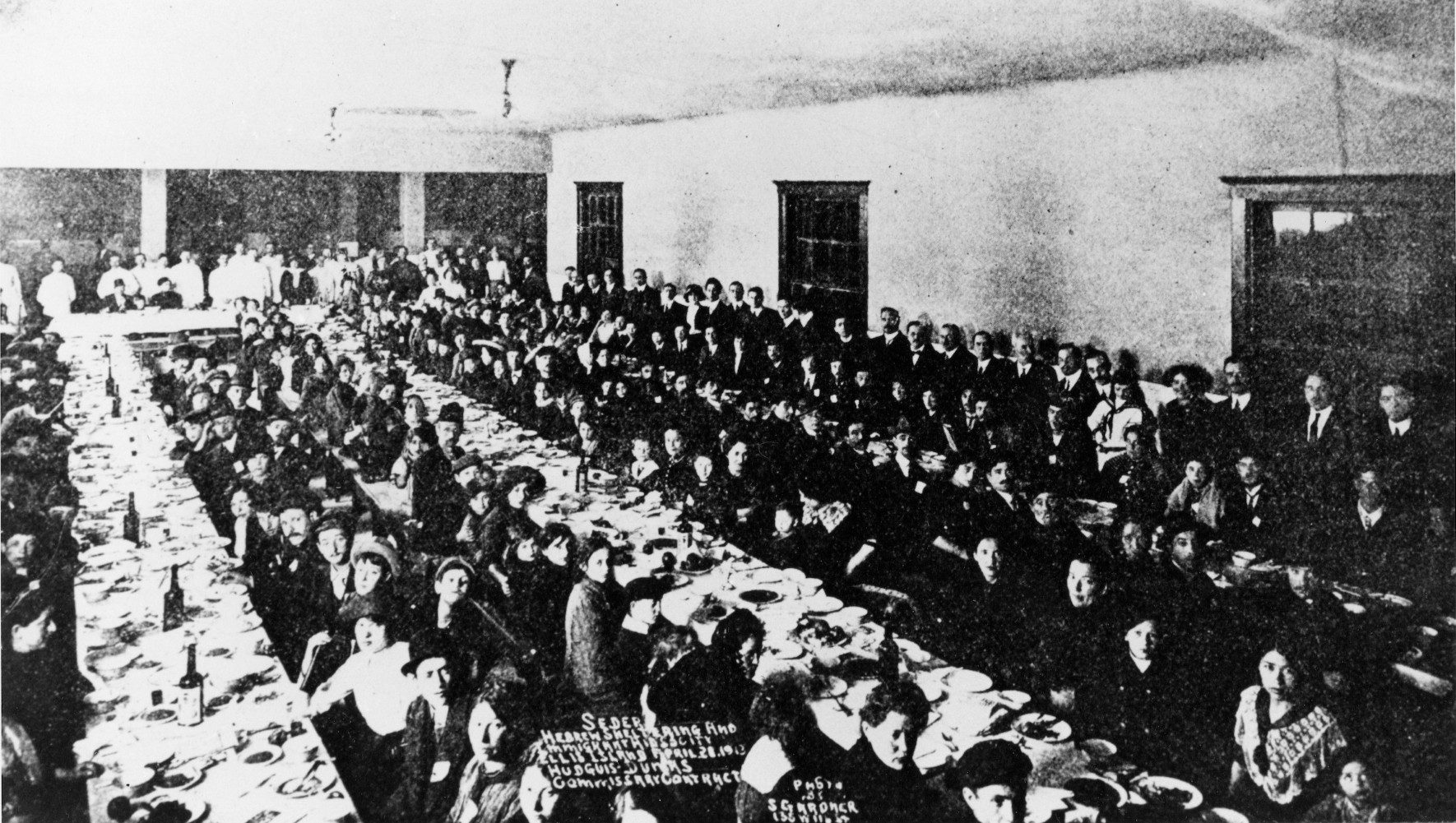
Amidst this rising tide of nativism, HIAS was born. Originally formed in the early 1900s (formally incorporated in 1903) to assist the millions of Jews fleeing the pogroms of Eastern Europe, the organization became a lifeline. When Ellis Island opened in 1892, HIAS was already there, providing food, legal assistance, and job placement to those navigating the grueling entry process.
Quotas, Wars, and the Mid-Century Crisis (1921–1950)
The aftermath of World War I saw the enactment of the National Origins Act of 1924, which used the 1890 census to establish restrictive quotas designed to preserve the "Nordic" composition of the U.S. population. These laws effectively sealed the gates to Jewish refugees fleeing the rise of Nazi Germany.
During this dark period, HIAS expanded its operations into Europe, helping approximately 250,000 individuals escape the Holocaust. Domestically, the U.S. faced its own internal failings, including the forced internment of 120,000 Japanese Americans during World War II. Following the war, HIAS transitioned to a critical role in resettling 150,000 displaced persons across 330 American communities.
The Modern Era: Rights, Reform, and Renewed Challenges (1951–2000)
The mid-20th century saw the emergence of the 1951 Refugee Convention, which provided the legal framework for international asylum. While the U.S. was slow to adopt these standards, the 1965 Immigration and Nationality Act was a watershed moment, dismantling discriminatory quotas in favor of a system prioritizing family reunification and skills.
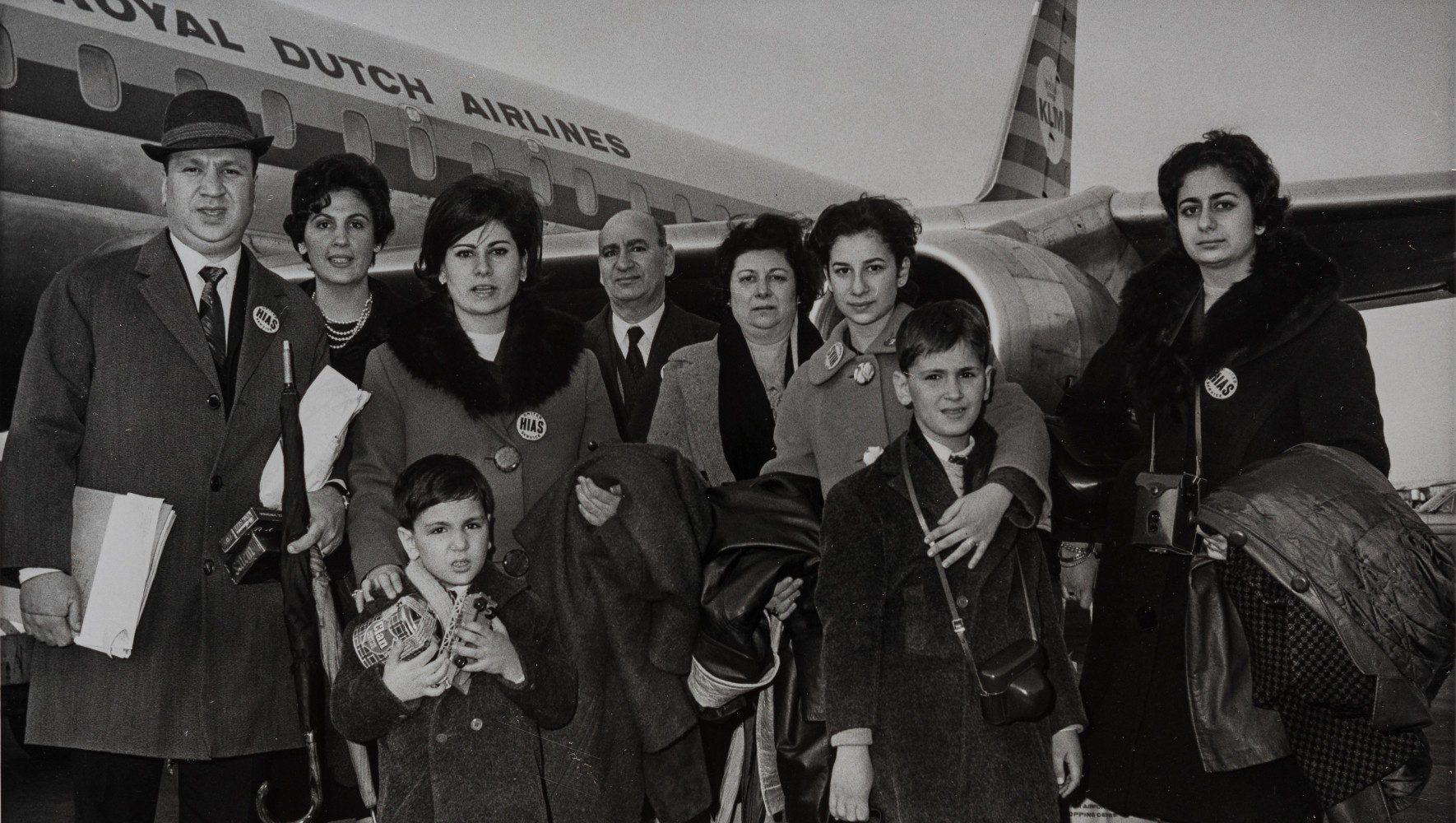
The 1970s and 80s expanded the scope of HIAS’s work. The organization pivoted from a focus solely on Jewish refugees to assisting Vietnamese, Cambodian, and Laotian refugees, as well as thousands of Persian Jews following the Iranian Revolution. The 1980 Refugee Act finally codified the right to asylum in U.S. law, marking a high point for American refugee policy.
The Contemporary Era: Security, Surveillance, and Xenophobia (2001–2026)
The tragedy of September 11, 2001, fundamentally altered the trajectory of U.S. immigration policy. The creation of the Department of Homeland Security and the subsequent establishment of ICE and CBP prioritized enforcement and physical barriers over humanitarian admission.
In the last decade, we have seen a profound deterioration of these rights. Both Trump administrations have utilized executive power to enact travel bans, gut the Refugee Admissions Program, and undermine the fundamental right to seek asylum. Despite this hostile political climate, HIAS has remained resolute, supported by a vast network of citizens who believe that the soul of America is found in its welcome, not its walls.
Supporting Data: The Impact of Displacement
The U.S. remains one of the most diverse nations on Earth, yet the volatility of its immigration policy has direct human costs. Current data shows:
- Historical Parity: Despite modern political rhetoric, the current proportion of foreign-born residents remains comparable to the levels seen in the 1880s and 1910s.
- The Power of Integration: The 14th Amendment’s birthright citizenship remains the engine of the American dream, allowing generations of immigrant families to contribute to the economic, cultural, and political fabric of the nation.
- The Cost of Restriction: Studies have shown that strict quotas in the 1920s and 1930s resulted in a 90% drop in immigration, contributing to the tragedy of those left stranded during the Holocaust.
Official Responses and Implications
The current administration’s reliance on federal agents and aggressive deportation tactics has sparked widespread civil unrest and legal challenges. As reported in early 2026, the deployment of federal agents into domestic regions to target immigrant communities represents a significant departure from historical norms of local policing.
For HIAS, these developments are not merely political statistics—they are threats to the human dignity of the clients we serve. The implication of these policies is a weakening of the international asylum system and a betrayal of the American promise of "liberty and justice for all."
Looking Forward: A Call to Action
As we stand on the precipice of the U.S. 250th anniversary, the question is not whether immigration will continue, but whether the United States will continue to lead as a moral authority in the world.
HIAS has navigated every political shift of the last 120 years. We have worked with, and against, various administrations to ensure that the vulnerable find a home. Our history proves that the U.S. is at its strongest when it is inclusive and at its weakest when it succumbs to fear.
As we look toward the next 250 years, our commitment is unchanged: to stand with the refugee, to advocate for the immigrant, and to fight for a world where safety is a universal right rather than a privilege. Whether you are a long-time supporter or new to our mission, we invite you to join us. The work of welcome is never finished, and it requires the voices of all who believe that humanity knows no borders.
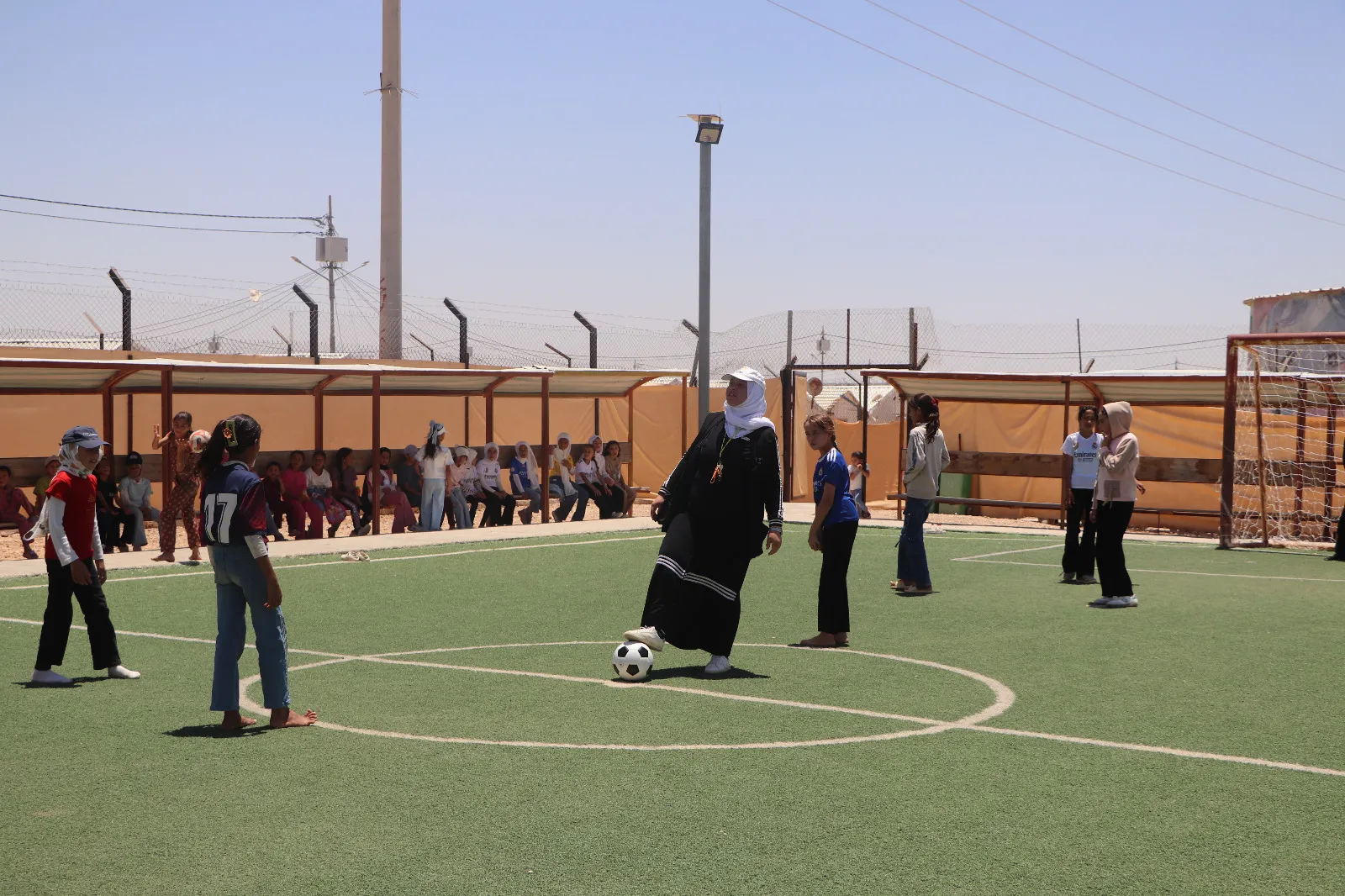
Give with confidence to HIAS today. As the world’s oldest refugee agency, we will continue to provide vital services, regardless of the political climate, just as we have for over a century. Your support ensures that when the next crisis strikes, we are ready to respond with expertise, resilience, and compassion.

 Lina Hope
 Suro Senen